Keystone Species
Meet the animals driving ecological restoration across Britain, from beavers reshaping rivers to bison creating woodland glades.
What is a keystone species?
A keystone species is an organism that has a disproportionately large effect on its ecosystem relative to its abundance. Remove it and the habitat shifts dramatically, often collapsing into a simpler, less biodiverse state. The term was coined by American zoologist Robert Paine in 1969 after his landmark sea-star experiments on the Pacific coast.
In the UK, centuries of habitat loss & species extinctions have left ecosystems missing many of their keystone players. Rewilding projects across Britain are now reintroducing or recovering these animals to restore complex food webs & resilient landscapes.
Keystone vs umbrella, flagship & indicator species
Conservation uses several overlapping labels for important species. Here is how a keystone species differs from the others you will see in UK rewilding writing.
| Type | Definition | UK example | Role in rewilding |
|---|---|---|---|
| Keystone species | Outsized ecological impact relative to numbers; ecosystem shifts dramatically without them. | Eurasian beaver | Engineers habitats that many other species depend on. |
| Umbrella species | Protecting them automatically protects many other species sharing their range. | Hen harrier | Justifies large-scale habitat protection. |
| Flagship species | Charismatic species chosen to drive public support and funding for conservation. | Red squirrel | Builds awareness and finances wider work. |
| Indicator species | Sensitive to environmental change; their presence or absence signals ecosystem health. | Atlantic salmon | Used to monitor habitat quality over time. |
The three roles keystone species play
Filter the directory below by ecological role to see which UK species are engineering habitats, grazing the landscape, or keeping prey populations in balance.
All Keystone Species
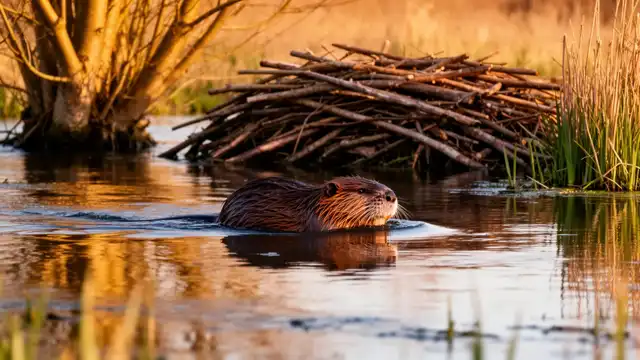
Beavers
Castor fiber
Nature's ecosystem engineers, reshaping rivers and wetlands across Britain after 400 years of absence.
Learn More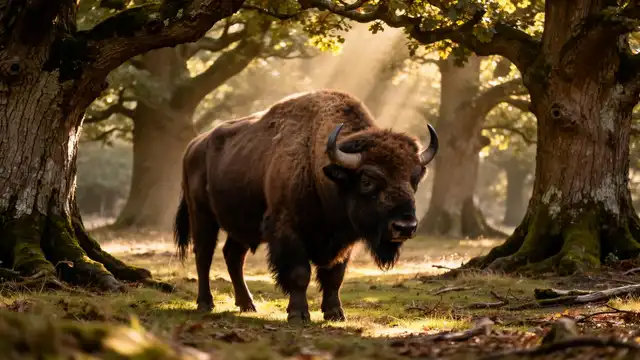
European Bison
Bison bonasus
The continent's largest land mammal, now roaming free in Kent as part of the Wilder Blean project.
Learn More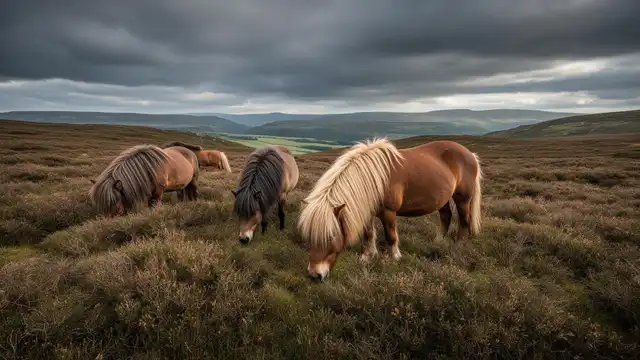
Wild Ponies
Exmoor, Konik & Dartmoor breeds
Hardy native breeds creating diverse habitats through natural grazing patterns that mimic extinct wild horses.
Learn More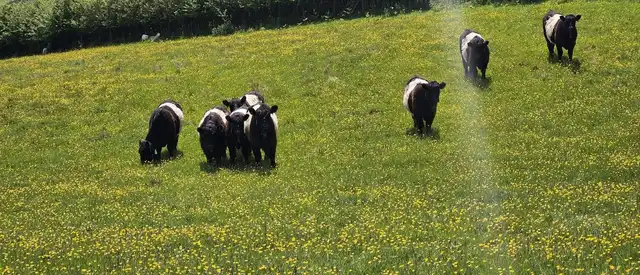
Native Cattle
Longhorn, Highland & White Park
Ancient cattle breeds restoring grassland biodiversity as proxies for the extinct aurochs.
Learn More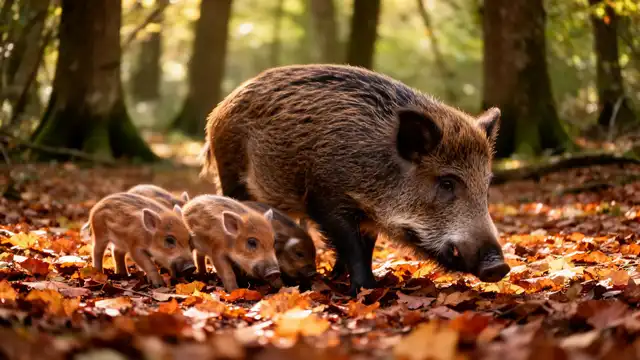
Wild Boar
Sus scrofa
Woodland ecosystem engineers that disturb soil, disperse seeds, and create habitat diversity through rooting behaviour.
Learn More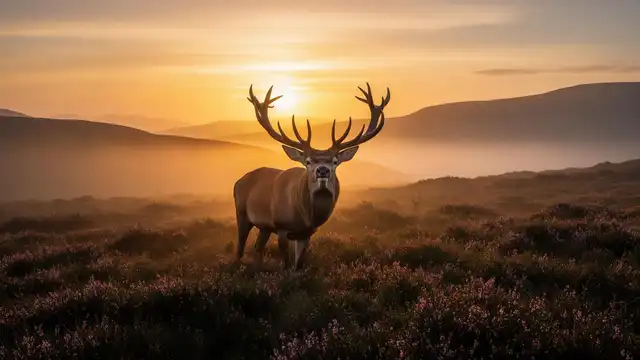
Red Deer
Cervus elaphus
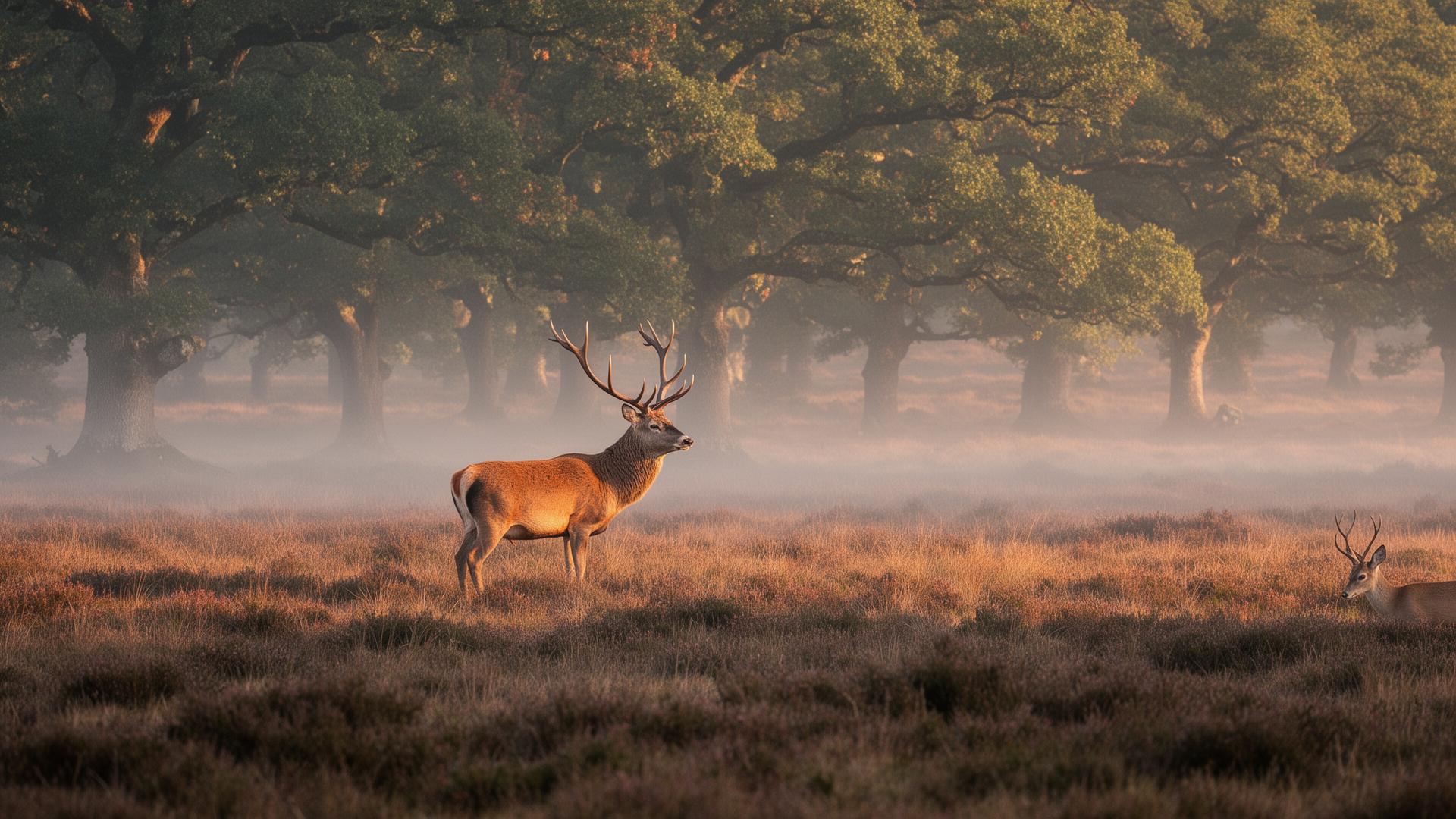
Britain's largest native land mammal, playing a key role in woodland ecology when populations are balanced.
Learn More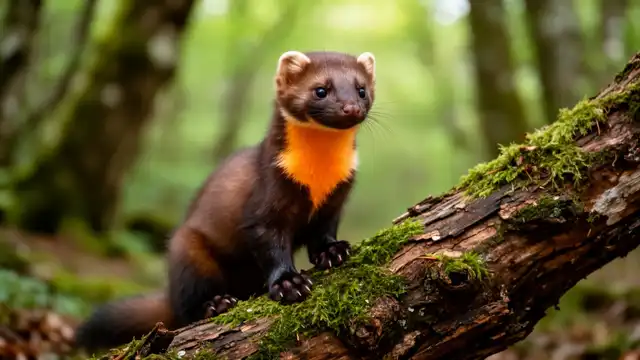
Pine Marten
Martes martes
A recovering native predator that naturally controls grey squirrel populations, helping native red squirrels return.
Learn More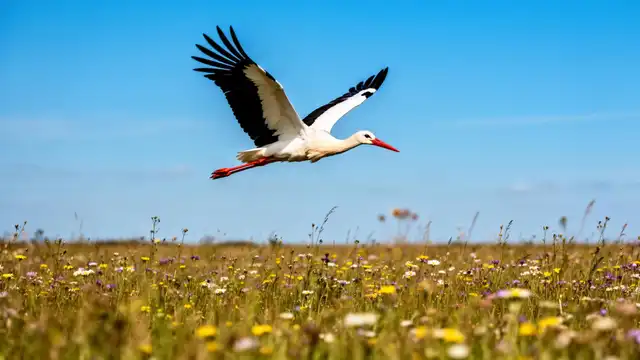
White Stork
Ciconia ciconia
Once native to Britain, now breeding again at Knepp Estate as part of an ambitious reintroduction project.
Learn More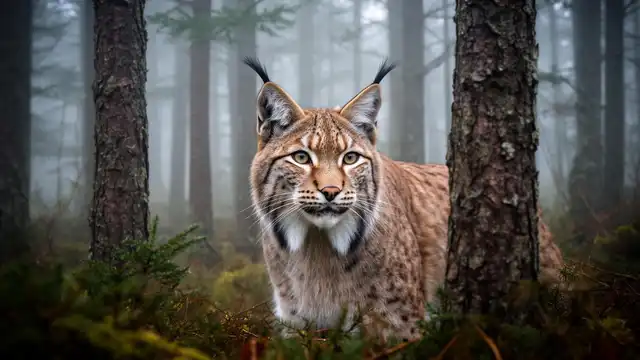
Eurasian Lynx
Lynx lynx
Britain's missing apex predator, with ongoing debates about reintroduction to control deer populations.
Learn More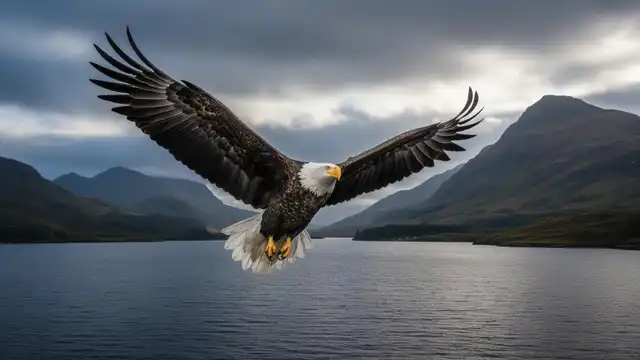
Sea Eagle
Haliaeetus albicilla
Britain's largest bird of prey, successfully reintroduced to Scotland and now expanding to England.
Learn MoreExplore UK Rewilding Projects
Discover where keystone species are being reintroduced across Britain in our regional guides.
See keystone species in action
Stay on our 80-acre rewilding project in Monmouthshire & spend a few days inside a recovering British ecosystem.
Book an off-grid cabinFrequently asked questions about keystone species
What is a keystone species?
A keystone species is an organism that has a disproportionately large effect on its ecosystem relative to its abundance. Without it, the ecosystem would change dramatically or collapse. The term was coined by American zoologist Robert Paine in 1969 after his sea-star experiments on the Pacific coast.
What are examples of keystone species in the UK?
Recognised or recovering keystone species in the UK include the Eurasian beaver (river engineer), European bison (recently reintroduced in Kent), wild boar (woodland engineer), red deer (when populations are balanced), pine marten (controls grey squirrels), white-tailed sea eagle, white stork, and native grazing animals such as Exmoor ponies and Longhorn cattle acting as proxies for extinct aurochs and tarpan.
Why are keystone species important?
Keystone species shape habitats, regulate prey populations, and create conditions that allow hundreds of other species to thrive. Beavers alone have been shown to create wetlands that support amphibians, water voles, dragonflies and rare invertebrates. Studies in North America and Scotland have recorded substantial increases in salmonid abundance in beaver-modified streams. Restoring them is often the fastest route to biodiversity recovery.
What is the difference between a keystone species and a flagship species?
A keystone species is defined by its ecological role: remove it and the ecosystem changes dramatically. A flagship species is chosen for its public appeal to drive conservation funding and awareness (e.g. the giant panda). A species can be both, but the labels describe different things: ecological function versus communication value.
Are beavers a keystone species in the UK?
Yes. Eurasian beavers are widely regarded as Britain's most important keystone species. Their dams slow water flow, store water in the landscape, reduce downstream flood peaks (a Devon beaver study recorded reductions of around 30%; Puttock et al., 2017), filter pollutants, and create wetlands that boost biodiversity across fish, amphibians, birds and invertebrates.
What happens when a keystone species is removed?
Removing a keystone species typically triggers a trophic cascade: prey populations grow unchecked, vegetation patterns shift, and dependent species decline or disappear. Britain's loss of wolves, lynx and beavers over the last 500 years is a central reason our woodlands, rivers and uplands are now ecologically simplified.
Which keystone species are being reintroduced to Britain?
Active or recently completed reintroductions include the Eurasian beaver across England, Scotland and Wales; European bison at Wilder Blean in Kent; white-tailed sea eagles on the Isle of Wight; white storks at Knepp Estate; and pine martens in the Forest of Dean and mid-Wales. Lynx reintroduction is under active discussion but not yet approved.
How many keystone species are there in the UK?
There is no fixed number. Ecologists typically identify around 8 to 12 species or species groups with clear keystone roles in modern Britain, spanning ecosystem engineers (beavers, wild boar), large herbivores (bison, native cattle, ponies, red deer) and predators (pine marten, sea eagle, and the missing lynx and wolf).
Hear From Rewilding Experts
Listen to the Wilder Podcast for in-depth conversations with practitioners working with these incredible animals.
Listen to the Podcast