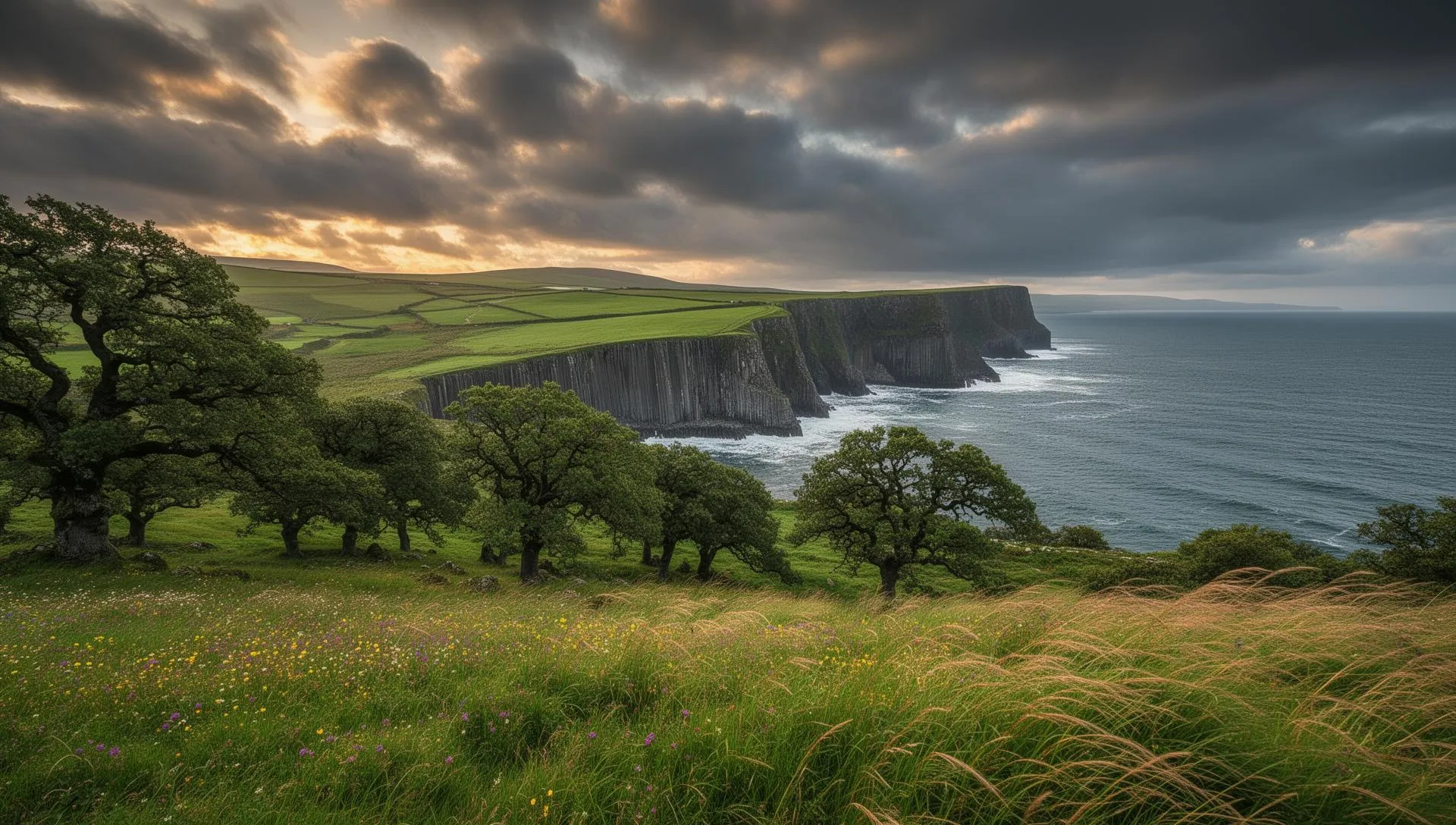
Northern Ireland might be the smallest part of the UK, but its landscapes punch above their weight. Only around nine per cent of the country is wooded, and centuries of drainage, forestry and intensive farming have squeezed biodiversity into isolated pockets. Yet a new wave of rewilding is emerging – from councils tweaking how they manage roadside verges, to ambitious community-led projects tackling invasive predators and restoring ancient oak woods.
In this article we highlight five inspiring initiatives that are helping nature fight back. As with our Welsh and Scottish round-ups, these stories are told through our eyes; we hope they inspire you to explore and support rewilding wherever you live.
From urban hillsides to offshore islands and upland peat bogs, people are working together to give nature more space and time.
 © Ards & North Down Borough Council
Key Species
Rewilding Ards & North Down
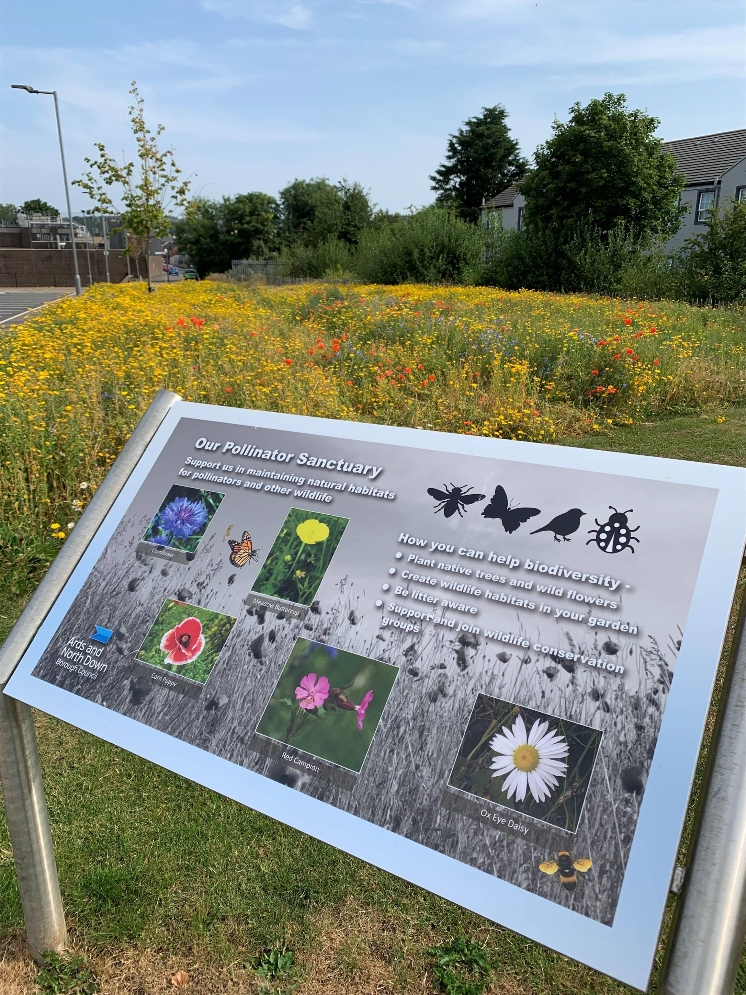
What excites us about Ards & North Down is the proof that small changes can add up to big gains. This council has embraced the idea that transforming amenity grasslands – once mown every 7–14 days into 'green deserts' – can create thriving pollinator habitat. Under their new rewilding regime, grasslands are cut only once a year and cuttings removed, slowly reducing nutrient levels so wildflowers can out-compete coarse grasses. Yellow rattle – nicknamed the 'meadow maker' – is sown to suppress grasses and help diverse seed banks burst into life.
Why It Matters
What inspires us about this approach is how visible it is – changes happening in parks and roadside verges that everyone can see. It's proof that rewilding doesn't require vast estates or major funding. The council's work provides food and nesting sites for pollinators while reducing mowing costs and emissions. It's a model we'd love to see more local authorities adopt.
Highlights
- Around 21,700 m² of close-mown grassland converted to richer habitat
- Yellow rattle sown to suppress grasses and encourage wildflowers
- Grasslands cut only once a year with cuttings removed
- Community engagement through interpretive signage and volunteer monitoring
Resources & Media
Ards & North Down Borough Council – Rewilding
Detailed explanation of the council's rewilding approach and why yellow rattle and reduced mowing are so effective
Read moreCarbon Copy Case Study
Outlines how the project converted 21,700 m² of grassland with community engagement and environmental benefits
Read more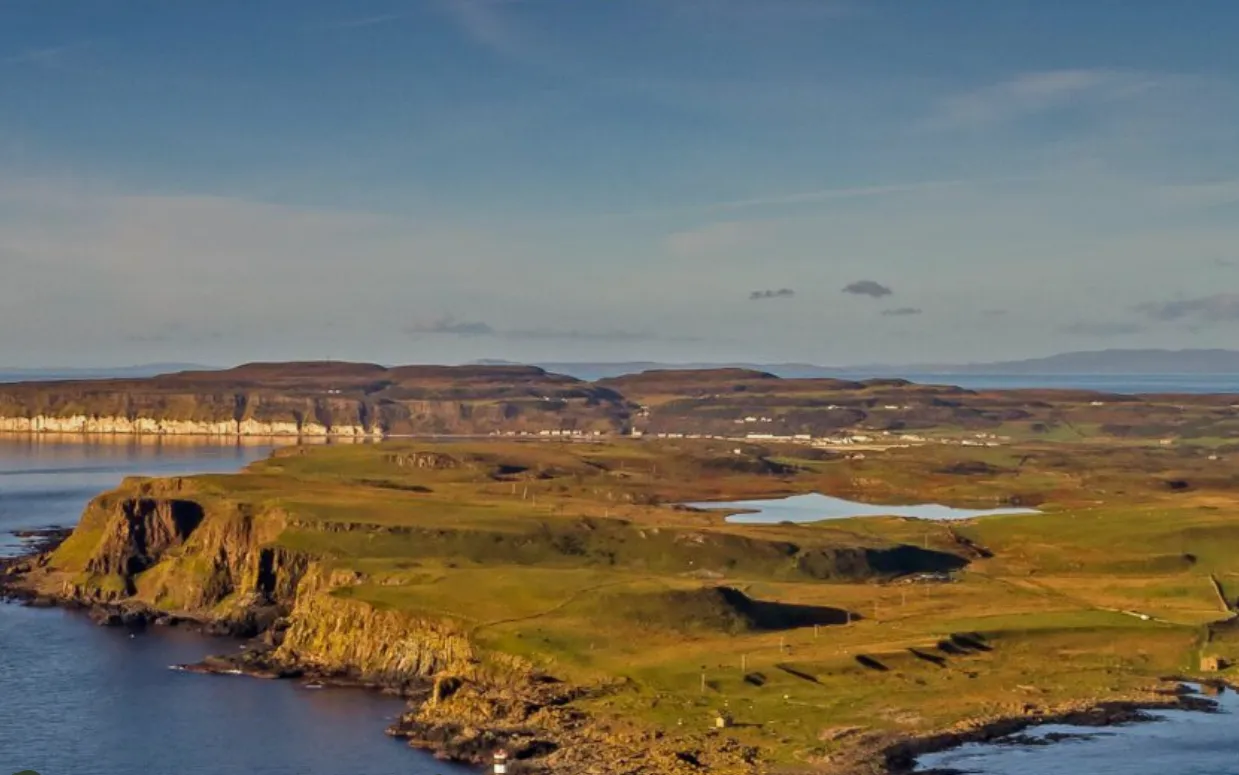
Rathlin Island: LIFE Raft Project
Rathlin Island captivates us – Northern Ireland's only inhabited offshore island, famous for its seabird cliffs and rugged beauty. The LIFE Raft project's mission to eradicate invasive rats and ferrets (introduced in the 1980s) and restore the island's seabird colonies is exactly the kind of community-led conservation we admire. Though we haven't yet made the crossing, we've followed the project's progress with excitement as puffins, guillemots, kittiwakes and even corncrakes are given a chance to flourish once again.
Why It Matters
What moves us about Rathlin is the early success – Manx shearwaters bred on the island for the first time in decades just months after the eradication programme began. It's proof that removing invasive predators can yield rapid results. The project also shows how community-led conservation can dovetail with global initiatives like the Island-Ocean Connection Challenge, protecting international biodiversity while strengthening the local economy.
Highlights
- Eradicating invasive rats and ferrets from the island
- Restoring seabird colonies including puffins and guillemots
- Joined the Island-Ocean Connection Challenge in 2024
- Manx shearwaters breeding again for first time in decades
Resources & Media
Island to eradicate rats and ferrets to save endangered seabirds
Channel 4 News report on the LIFE Raft project to protect Rathlin's seabird colonies
LIFE Raft Project Objectives
Explains how the project will remove invasive rats and ferrets, restore seabird colonies and support the local economy
Read more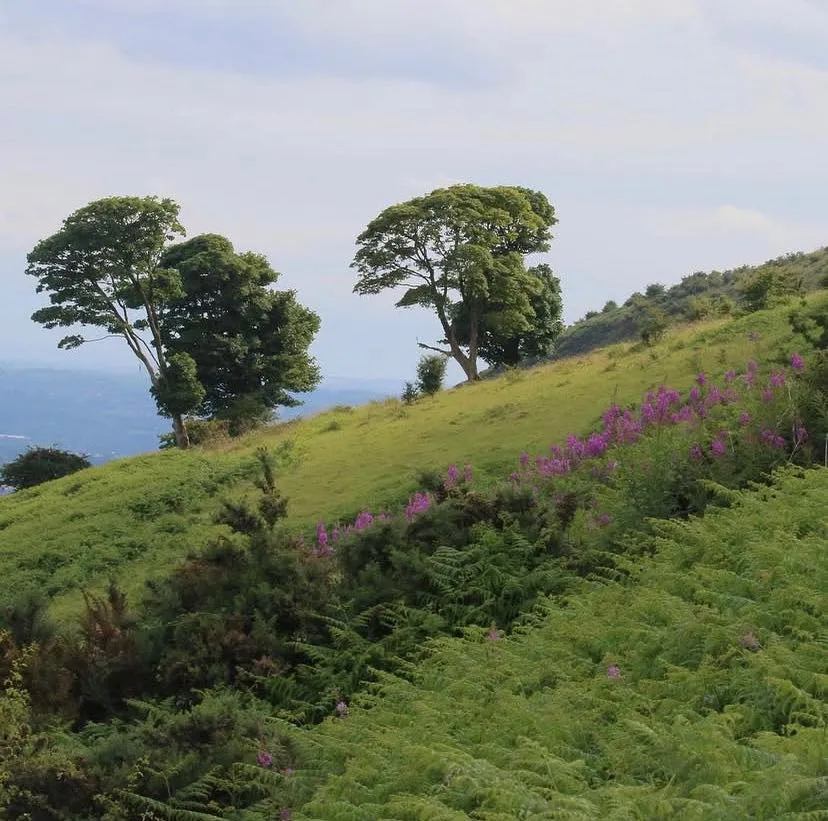 © Black Mountain Rewilding Project
Key Species
Black Mountain Rewilding Project
The story of Black Mountain inspires us deeply. Perched above West Belfast, this urban wilderness has become a showcase for what grassroots youth action can achieve. Conservationist Aaron Kelly and a group of young volunteers started with litter clean-ups and soon found evidence of rare pine martens – a discovery that sparked something bigger. We haven't yet climbed those slopes ourselves, but we've watched the 'Treasures of the Hills' documentary and been moved by how a community has transformed their relationship with this land.
Why It Matters
What we admire about Black Mountain is the proof that conservation doesn't need government funding or formal designation. Young people engaging with their local landscape, planting native trees, surveying wildlife and sharing discoveries – it's rewilding at its most human. The project rekindles a sense of stewardship and shows that urban fringes can become thriving wildlife havens.
Highlights
- Grassroots project started by young volunteers
- Rare pine martens discovered on the mountain
- Native tree planting on mountain slopes
- "Treasures of the Hills" documentary premiered in 2022
Resources & Media
Treasures of the Hills
Documentary capturing the people and wildlife behind the Black Mountain Rewilding Project
 Mourne Mountains landscape
Key Species
Rostrevor "Sea to Summit" Rewilding Project
The vision of a 'Sea to Summit' native woodland has captured our imagination. Though still at the planning stage, Rostrevor's proposed project would see peatland and woodland restored across the foothills of the Mourne Mountains. The ambition is remarkable: remove non-native conifers, protect hundreds of relic oak trees within a 14-hectare remnant oak wood, and create Ireland's only continuous native woodland that could shift up or down the slopes as the climate changes. Local campaigners have mapped a rich ancient oak seedbank across 200 hectares.
Why It Matters
What draws us to Rostrevor is the thinking about climate adaptation built into the vision. A continuous mosaic of woodland and blanket bog stretching from Carlingford Lough to the Mourne Mountains would safeguard one of Northern Ireland's last native oakwoods while providing a living laboratory for natural succession. Though we can only admire from afar for now, the project demonstrates the growing ambition of rewilding advocates across Ireland.
Highlights
- Ireland's only proposed "Sea to Summit" native woodland
- 14-hectare remnant oak wood with hundreds of relic oaks
- Blanket bog restoration planned
- Removing non-native Sitka spruce
Resources & Media
Rostrevor Rewilding Project – A Unique Opportunity
News article summarising Chris Hazzard's vision, the presence of relic oak woods and the project's three main objectives
Read more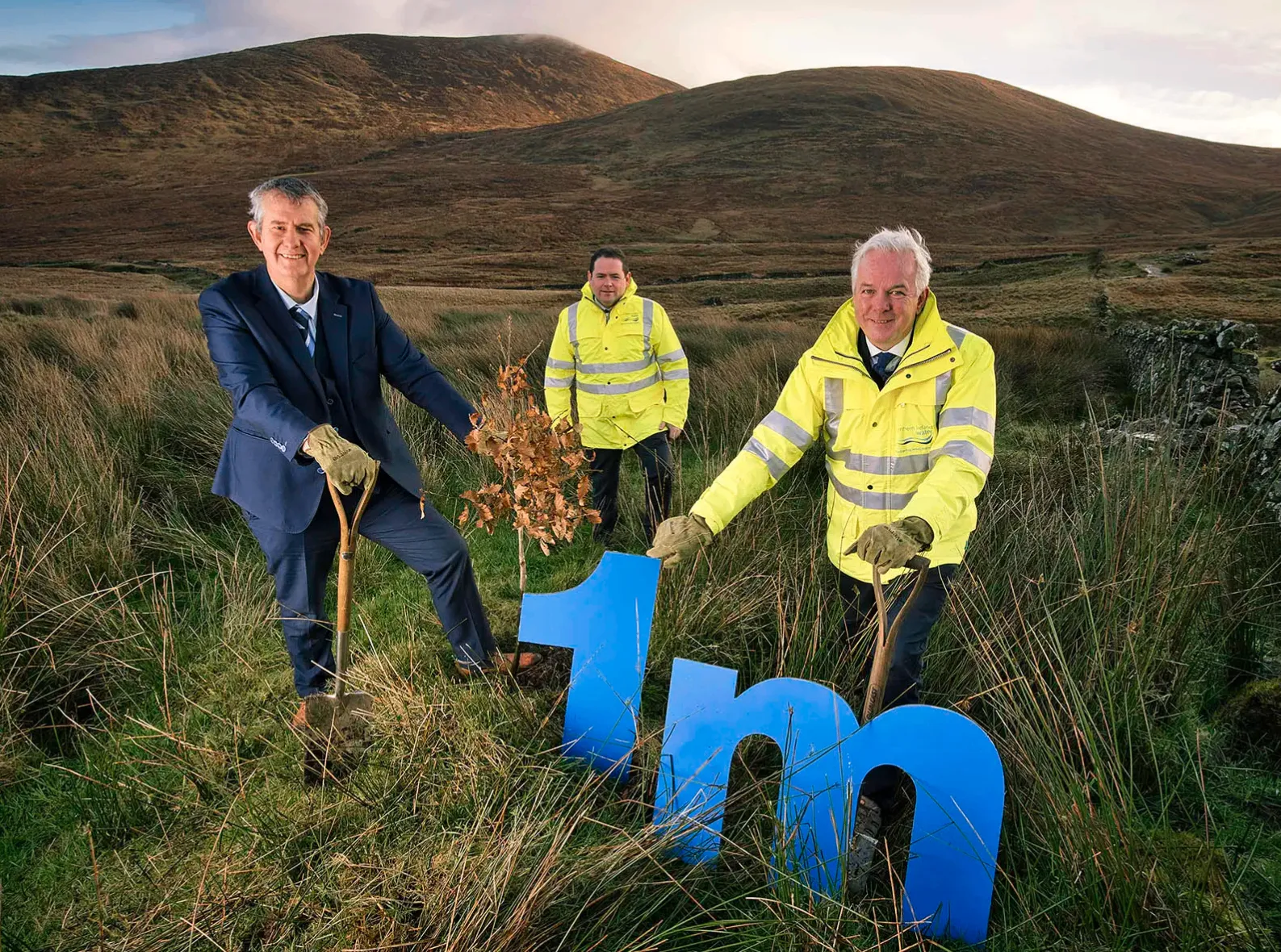
Garron Plateau Bog Restoration Project
Northern Ireland's largest blanket bog has become a guiding light for our own peatland thinking. The Garron Plateau was historically drained and overgrazed, causing carbon emissions and discoloured drinking water. Since 2013 a partnership between Northern Ireland Water, the RSPB and the Environment Agency has been restoring 2,000 hectares by blocking drains, reducing grazing and re-establishing natural hydrological conditions. Though we haven't yet explored this vast upland, the project's approach directly informs how we think about our own wet ground.
Why It Matters
What inspires us about Garron Plateau is the collaboration – a utility company, NGOs and government agencies working together at landscape scale. Peatlands store more carbon than all the world's forests combined, yet degraded bogs release CO₂ back into the atmosphere. The project shows how re-wetting bogs locks up carbon (an estimated 1,992 tonnes per year), filters drinking water and provides habitat for specialised wildlife. It's a model we return to again and again.
Highlights
- Northern Ireland's largest blanket bog
- 1,188 hectares restored so far
- Sequestering an estimated 1,992 tonnes of carbon per year
- Improved water quality for drinking water
Resources & Media
Garron Plateau Bog Restoration Project
NI Water's video explaining how the peatland was restored through drain blocking and reduced grazing
NI Water's Garron Plateau Bog Project
Details the restoration aims (re-wetting, drain blocking, grazing reduction), progress and funding partners
Read moreFinal Thoughts
Northern Ireland's rewilding movement may still be in its infancy, but the projects above show a real appetite for change. From urban hillsides to offshore islands and upland peat bogs, people are working together to give nature more space and time.
As more community groups, councils and landowners join the rewilding network, we hope to see green corridors spreading across the province and rare species returning.
These stories complement our guides to rewilding in Wales, Scotland and England.
The Grange Project
Right here in Monmouthshire, we're rewilding 80 acres of Welsh countryside. From wildflower meadows to native woodland, wetland creation to wildlife corridors, we're demonstrating how land can be transformed for nature, people, and planet.
Visit us for corporate away days, stay in our off-grid cabins, or join one of our events to experience rewilding in action.
Get Involved in Northern Ireland Rewilding
Connect with organisations leading the rewilding movement in Northern Ireland