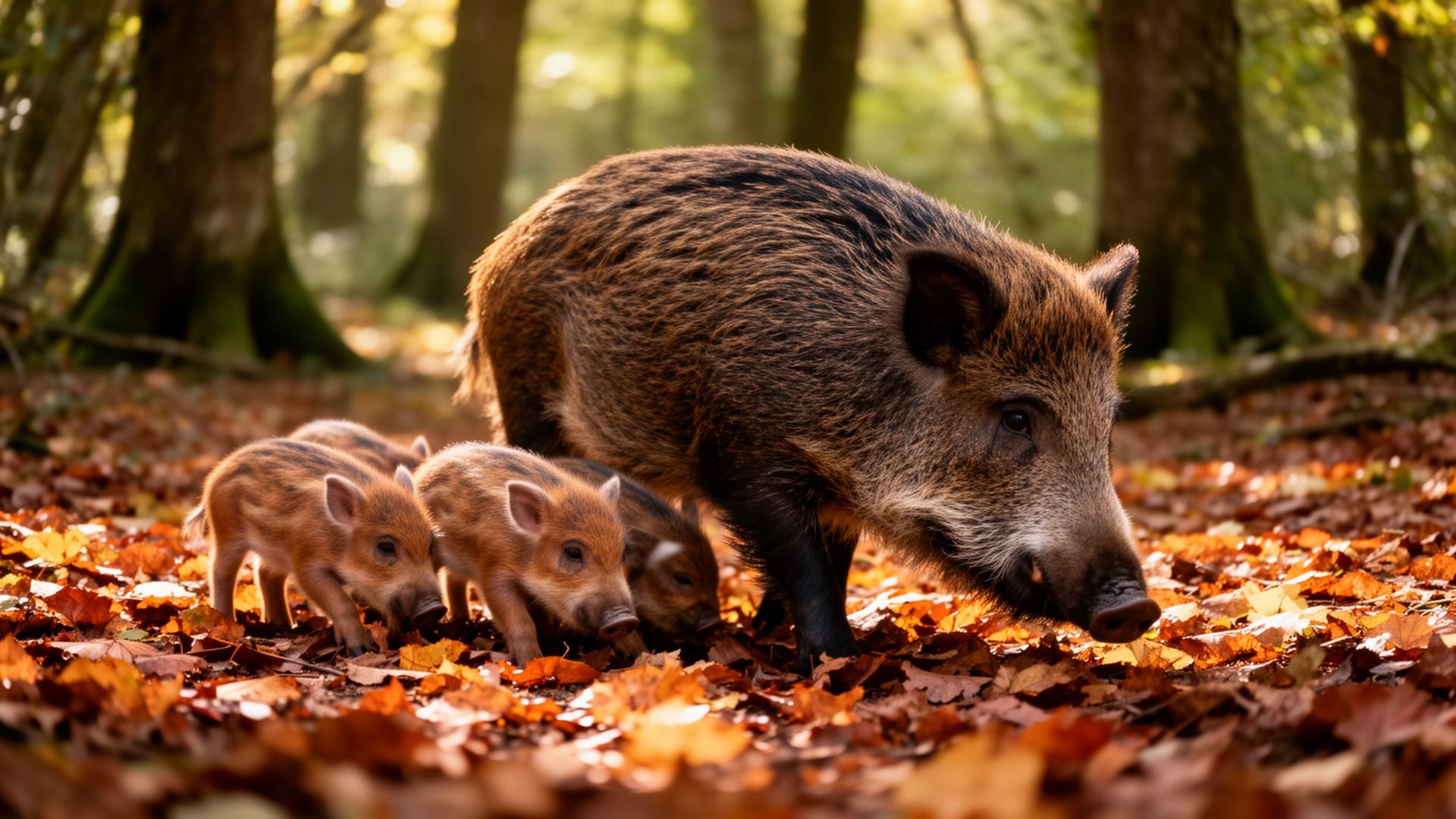
In the twilight of a Gloucestershire woodland, the distinctive sound of snorting and soil being turned tells you that Britain's most controversial rewilding success story is nearby. Wild boar have returned to the UK, not through careful planning, but through escapes and releases, and they're dividing opinion while reshaping our woodlands.
Whether you see them as destructive pests or essential ecosystem engineers, wild boar are now part of the British fauna. Understanding their role can help us live alongside them.
History of Wild Boar in Britain
Wild boar (Sus scrofa) are native to Britain, having colonised after the last Ice Age. They were common throughout the medieval period, prized for hunting by royalty and nobility. Overhunting and habitat loss led to their extinction by the 17th century, with the last records from the Royal Forests.
The return began accidentally. From the 1980s onwards, escapes from wild boar farms, combined with deliberate releases by animal rights activists, established feral populations. Despite initial culling attempts, the boar have proved resilient and are now firmly re-established.
Wild Boar Return Timeline
Wild boar become extinct in Britain
First escapes from boar farms
Breeding populations confirmed in Kent and Sussex
Forest of Dean population established
Estimated 2,500+ boar in the UK
Where Boar Live Today
- Forest of Dean, Gloucestershire: The UK's largest population, estimated at 1,500+ animals. Managed by Forestry England through culling.
- Kent and East Sussex: Scattered populations in woodland areas, including near the Kent Downs.
- Dorset: Smaller populations in woodlands around the county.
- Devon: Emerging populations reported in several areas.
- Scotland: Occasional sightings but no confirmed breeding populations.
Numbers are uncertain because wild boar are elusive, largely nocturnal, and live in dense cover. Populations can grow rapidly, with sows producing 4-8 piglets annually.
The Rooting Revolution
Wild boar's most significant ecological impact comes from their rooting behaviour. Using their powerful snouts, they turn over soil searching for food, creating disturbance that has far-reaching effects:
Soil Turnover
Rooting exposes bare soil, creating germination sites for seeds that struggle to compete in dense leaf litter.
Bracken Control
Boar eat bracken rhizomes, naturally controlling this invasive fern that smothers woodland ground flora.
Nutrient Cycling
Mixing organic matter into soil improves nutrient cycling and soil structure, benefiting plant growth.
Water Retention
Rooted areas hold more water, creating damp microhabitats for amphibians and invertebrates.
Benefits of Boar
When we look past the headlines about damage, wild boar provide genuine ecological benefits:
- Increased plant diversity: Disturbed areas see colonisation by wildflowers and tree seedlings.
- Invertebrate habitat: Bare ground and soil disturbance benefits ground-nesting bees and beetles.
- Seed dispersal: Boar spread seeds in their dung and on their coats.
- Food source: Boar are prey for any future large predators (though none currently exist in UK).
- Cultural value: The excitement of boar encounters enhances woodland visits for many people.
Challenges & Conflicts
Wild boar are not without problems, and managing conflicts is essential for their continued acceptance:
- Garden damage: Boar rooting can devastate lawns and gardens near woodland.
- Agricultural impact: Crop damage, particularly to maize and root vegetables.
- Road accidents: Collisions with vehicles, especially at night.
- Bluebell damage: Rooting can disturb iconic bluebell carpets.
- Disease concerns: Potential vectors for diseases like African Swine Fever.
Currently, wild boar have no legal protection in England, and Forestry England manages the Forest of Dean population through controlled culling to keep numbers at target levels.
Pigs as Boar Proxies
Many rewilding projects use domestic pig breeds as proxies for wild boar. This offers the ecological benefits of rooting behaviour with greater control:
Popular Proxy Breeds
- •Tamworth: Britain's oldest pig breed, hardy and excellent rooters. Used at Knepp Estate.
- •Iron Age Pig: A Tamworth x Wild Boar hybrid that resembles ancient pigs. Used at Wilder Blean.
- •Mangalitza: A woolly Hungarian breed suited to woodland conditions.
These pigs can be contained with electric fencing, moved around to target specific areas, and ultimately provide high-quality meat that helps fund conservation work.
Experience Rewilding in Wales
Visit the Grange Project to see how we use grazing animals to restore Welsh landscapes.
Further Resources
Watch
Britain's Most Hated Animal is Actually Nature's Saviour | Forest of Dean
Exploring the return of wild boar to Britain's woodlands.
The Elusive Wild Boar in the Forest of Dean
How wild boar are used as ecosystem engineers in rewilding projects.
Frequently Asked Questions
Are there wild boar in the UK?
Yes! Wild boar became extinct in Britain in the 17th century but have re-established through escapes from farms since the 1980s. The largest population is in the Forest of Dean, Gloucestershire, with smaller populations in Kent, Sussex, Dorset, and Devon. They're not officially reintroduced but are now considered a native species.
Are wild boar dangerous?
Wild boar are generally shy and will avoid humans if given the chance. However, sows with piglets can be protective, and boar can cause injury if cornered. Keep dogs on leads in boar areas, give boar space, and never approach or feed them. Most encounters pass without incident if you remain calm and move away slowly.
What damage do wild boar cause?
Wild boar root through soil searching for food, which can damage lawns, gardens, agricultural land, and bluebells. However, this rooting behaviour also creates valuable habitat disturbance, germination sites for seeds, and controls bracken. The challenge is managing conflicts where boar meet human interests.
What do wild boar eat?
Wild boar are omnivores with a varied diet including roots, tubers, acorns, beechnuts, bulbs, fungi, earthworms, insects, small mammals, and carrion. This wide diet makes them highly adaptable. Their rooting behaviour while foraging is their most significant ecological impact.
Can wild boar be used in rewilding projects?
Yes! Several rewilding projects use pigs (usually Tamworth or Iron Age breeds) as proxies for wild boar. At Knepp Estate and Wilder Blean, pigs root through woodland, creating disturbed ground that benefits plants and invertebrates. Their controlled use avoids some of the conflict issues with fully wild populations.
Continue Reading
Stay Updated on Rewilding
Join our newsletter for the latest rewilding news, guides, and updates from The Grange Project.