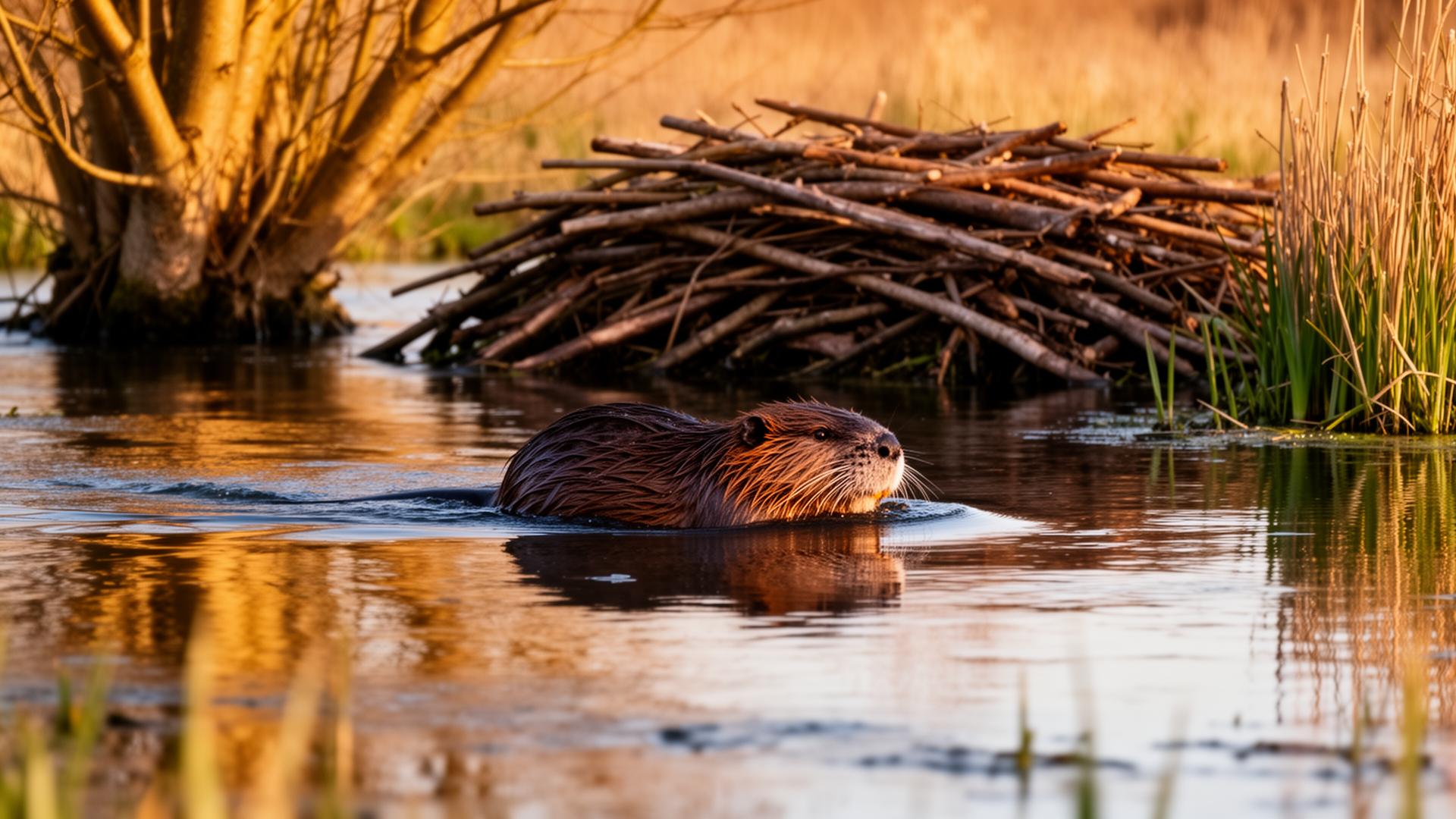
The beaver is Britain's most successful rewilding story. After being hunted to extinction 400 years ago, these remarkable "ecosystem engineers" are back, reshaping our waterways, reducing flood risk, and creating habitat for hundreds of other species. It's a transformation that's nothing short of miraculous.
From the River Otter in Devon to the lochs of Argyll, wild beavers are once again part of the British landscape. And the results are exceeding all expectations.
Return of the Beaver: A Timeline
The Eurasian beaver (Castor fiber) was hunted to extinction in Britain by the 16th century, prized for its fur, meat, and castoreum (a secretion used in perfumes and medicine). For 400 years, our rivers ran without their influence. Then came the return:
Scottish Beaver Trial Begins
The first official beaver reintroduction in Knapdale, Argyll. A five-year trial monitored by Scottish Natural Heritage.
River Otter Beavers Discovered
A wild beaver population is confirmed on the River Otter in Devon around 2013, likely descended from escaped or released animals. Initially facing removal, public support saves them.
Scotland's Beavers Protected
Scottish Government grants legal protection to beavers, making them a protected species.
River Otter Beavers Made Permanent
After a five-year trial, the River Otter population is allowed to stay and expand, England's first wild beaver population in 400 years.
Beavers Protected in England
Beavers receive legal protection in England. Government announces support for further reintroductions.
Rapid Expansion
Beaver populations expanding dramatically across England, Scotland, and Wales. Wild populations now established in multiple river systems, with licensed releases occurring in new catchments each year.
Where Beavers Live in the UK
Wild Populations
- River Otter, Devon, England's flagship wild population with excellent viewing opportunities
- Knapdale, Argyll, site of Scotland's original trial, now expanding
- River Tay catchment, Scotland, the UK's largest beaver population, estimated at 2,000+ animals
- River Avon, Hampshire, wild beavers confirmed in 2023
Enclosed Projects (Selected)
- Knepp Estate, Sussex, part of the famous rewilding project
- Cornwall Beaver Project, multiple sites across the county
- Holnicote Estate, Somerset, National Trust site with public access
- Cropton Forest, Yorkshire, Forestry England beaver enclosure
- Cors Dyfi, Wales, Welsh beaver project site
- Ewhurst Park, Hampshire, private rewilding estate
The number of beaver sites is growing rapidly. By 2026, there are over 50 enclosed beaver projects across England alone, plus the expanding wild populations.
How Beavers Transform Landscapes
Beavers are called "ecosystem engineers" because they physically reshape their environment in ways that benefit countless other species. Here's what they do:
Build Dams
Beaver dams slow water flow, creating pools and wetlands. A single family can build multiple dams, transforming hundreds of metres of waterway.
Create Wetlands
The pools behind dams flood adjacent land, creating new wetland habitat, one of our most threatened and biodiverse ecosystems.
Coppice Trees
Beavers fell trees for food and dam material. This coppicing creates light gaps that encourage diverse plant growth and provides deadwood habitat.
Dig Canals
Beavers excavate canals to transport food and access new areas, further diversifying the water network and creating additional aquatic habitat.
The result is a mosaic of habitats, open water, wetland, scrub, and woodland, where before there might have been a single, straightened channel. This complexity supports far more life than the simplified landscapes we've created.
Benefits of Beavers
Flood Risk Reduction
This is perhaps the most surprising benefit. Beaver dams hold water back during heavy rain, releasing it slowly afterwards. Studies on the River Otter showed flood peaks reduced by 30%. In an era of climate change and increasing flood risk, beavers offer a natural, self-sustaining solution.
Water Quality
Beaver ponds act as settlement tanks, trapping sediment, pollutants, and excess nutrients from agricultural runoff. Water downstream of beaver dams is measurably cleaner, good news for fish, invertebrates, and drinking water supplies.
Biodiversity Boost
The wetlands beavers create support an extraordinary range of species:
- 33% increase in fish populations in beaver territories
- Dragonflies and damselflies thrive in the new ponds
- Amphibians including frogs, toads, and newts find ideal breeding sites
- Water voles benefit from the diverse bankside vegetation
- Wetland birds like kingfishers, herons, and reed warblers colonise
- Otters find improved habitat and food supply
Drought Resilience
By storing water in the landscape, beaver dams also help during dry periods. The wetlands they create act as reservoirs, maintaining water levels when streams might otherwise dry up.
Challenges and Solutions
While the benefits are clear, beaver reintroduction isn't without challenges. Responsible management is key to making it work for everyone:
Agricultural Flooding
Beaver dams can flood farmland. Solutions include flow devices (pipes through dams that limit water levels), dam removal where absolutely necessary, and compensation schemes for affected farmers.
Tree Damage
Beavers fell trees, which can be problematic in managed woodlands or near valued specimens. Tree guards and fencing can protect important trees. In many cases, the coppicing benefits woodland biodiversity.
Infrastructure Concerns
Dams near roads, railways, or drainage systems need monitoring. Proactive management and good relationships between landowners and wildlife managers prevent most problems.
The evidence from Devon and Scotland shows that with good management, beavers and farming can coexist. The key is planning, communication, and a willingness to adapt.
How to See Beavers in the Wild
Beavers are largely crepuscular and nocturnal, most active at dawn and dusk. Here's how to maximise your chances:
Beaver Watching Tips
- •Timing: Arrive an hour before dusk and stay until dark. Dawn can also be good.
- •Silence: Beavers have excellent hearing. Keep noise to an absolute minimum.
- •Position: Sit downwind and below the skyline. Don't silhouette yourself.
- •Patience: Stay still. Beavers will often appear if you wait quietly.
- •Signs: Look for gnawed trees, dams, lodges, and canal systems to find active territories.
Guided Experiences
Many sites offer guided beaver walks led by experts who know the animals' habits and can maximise your chances of a sighting:
- Devon Wildlife Trust, River Otter evening watches
- Scottish Wildlife Trust, Knapdale beaver tours
- Cornwall Beaver Project, guided experiences at various sites
- National Trust, Holnicote Estate beaver experiences
Explore More Rewilding Stories
Listen to conversations with beaver researchers and rewilding practitioners on the Wilder Podcast.
Listen to the PodcastFurther Resources
Watch
Highlights from the River Otter Beaver Trial | Devon Wildlife Trust
Stunning footage of how beavers transform waterways and create new habitats.
Rewilding: Beavers Legally Return to the Wild in England | Channel 4
How beaver reintroduction helps with flooding and biodiversity.
Frequently Asked Questions
When were beavers reintroduced to the UK?
Eurasian beavers were extinct in Britain for around 400 years before reintroduction efforts began. The first official trial was in Knapdale, Scotland in 2009. Beavers also established themselves on the River Otter in Devon from around 2008 (from escaped or released animals). In 2022, beavers gained legal protection in England, and wild populations are now expanding across both countries.
Where can I see wild beavers in the UK?
Wild beavers can be seen on the River Otter in Devon, at Knapdale in Argyll, Scotland, and on the River Tay and its tributaries in Scotland. Enclosed beaver populations exist at many rewilding sites including Knepp Estate (Sussex), the Cornwall Beaver Project, and various locations across England, Wales, and Scotland. Many sites offer guided beaver watching experiences.
Do beavers cause flooding?
Contrary to some concerns, beavers actually reduce downstream flood risk. Their dams slow water flow, store water in the landscape, and release it gradually. Studies on the River Otter showed beaver dams reduced flood peaks by 30%. However, they can cause localised flooding which may need management in certain agricultural areas.
Are beavers dangerous?
Beavers are not dangerous to humans. They are shy, largely nocturnal animals that will avoid contact. While they have large teeth for gnawing wood, there are no recorded attacks on humans in the UK. Dogs should be kept away from beaver lodges and dams, as beavers will defend their territory if threatened.
How do beavers benefit wildlife?
Beaver dams create wetland habitats that support an extraordinary range of species. Studies show a 33% increase in fish populations, massive increases in amphibians and dragonflies, and new habitat for water voles, otters, and wetland birds. The complexity they create in waterways supports everything from kingfishers to rare invertebrates.
Continue Reading
Stay Updated on Rewilding
Join our newsletter for the latest rewilding news, guides, and updates from The Grange Project.