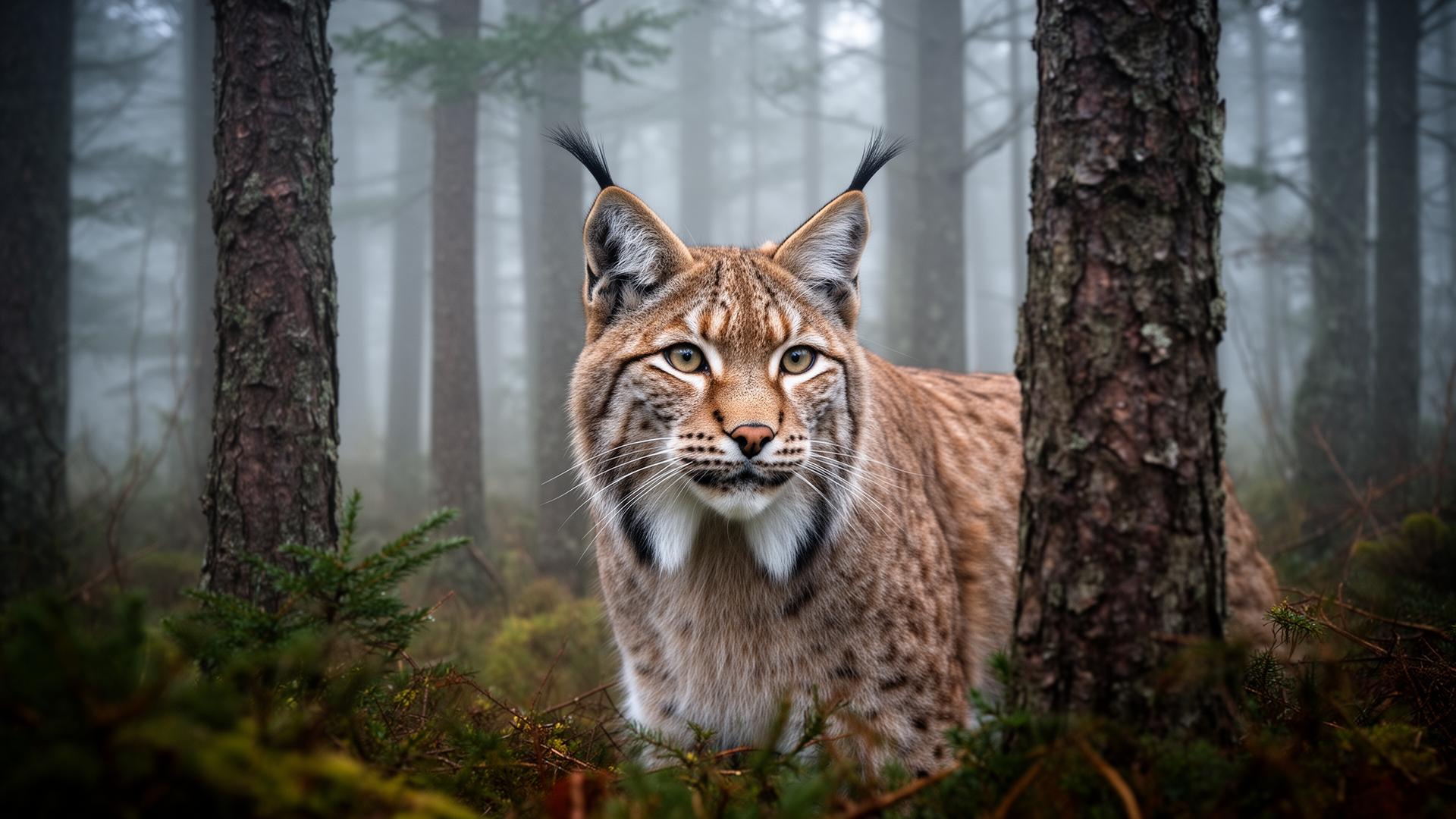
Of all the species proposed for reintroduction to Britain, none captures the imagination quite like the Eurasian lynx. This beautiful, elusive cat, with its tufted ears and spotted coat, was once a native of British forests. Could it return?
The lynx debate is one of the most contentious in British conservation. Advocates argue they would naturally control deer populations and restore ecological balance. Opponents worry about livestock predation and the challenges of sharing the landscape with a large predator. Here's what you need to know.
Britain's Native Lynx
Eurasian lynx (Lynx lynx) colonised Britain after the last Ice Age, around 10,000 years ago. Fossil evidence shows they lived here for thousands of years, from cave sites in Yorkshire to the Scottish Highlands.
They became extinct around 1,300 years ago, probably due to a combination of hunting for their fur, persecution to protect livestock, and massive deforestation that destroyed their habitat.
Lynx Facts
- •Size: About twice the size of a domestic cat, weighing 15-30 kg.
- •Appearance: Tufted ears, spotted coat, short tail, and prominent facial ruff.
- •Prey: Primarily roe deer, also hares, foxes, and small mammals.
- •Territory: Males range over 150-450 km², females 50-200 km².
- •Behaviour: Solitary, nocturnal, extremely elusive.
The Case for Reintroduction
Advocates for lynx reintroduction argue that it would bring significant ecological and economic benefits:
Deer Control
Britain has more deer than at any time in a thousand years, causing massive damage to woodland regeneration. Lynx would naturally prey on roe deer, the most abundant species.
Landscape of Fear
Even without killing many deer, lynx presence changes deer behaviour. Deer become more vigilant and move more, reducing browsing impact on any one area.
Fox Control
Lynx suppress fox populations, which could benefit ground-nesting birds and other species impacted by fox predation.
Ecotourism
Studies suggest lynx could generate significant tourism income in rural areas, as people travel to areas where they might glimpse this elusive cat.
"The lynx is the missing apex predator in British ecosystems. Without it, we're fighting deer with one hand tied behind our back."
Concerns and Challenges
Opposition to lynx reintroduction comes primarily from farming communities and some conservation organisations:
- Sheep predation: Lynx do occasionally take sheep in Europe, particularly free-ranging lambs. Upland farmers worry about impacts on hill farming.
- Gamebird concerns: Shooting estates worry lynx might impact pheasant and grouse populations.
- Insufficient habitat: Some argue Britain lacks the large, connected forest areas lynx need.
- Licensing complexity: The legal process for reintroducing large predators is lengthy and uncertain.
- Public acceptance: Not everyone is comfortable sharing the landscape with a large predator, even a harmless one.
Proponents counter that sheep losses in European countries are minimal and compensated, and that Britain has suitable habitat in Scotland's forests and the Lake District.
Reintroduction Proposals
Several proposals for lynx reintroduction have been put forward:
- Kielder Forest (2017): Lynx UK Trust applied to release six lynx in Northumberland. The application was refused by Natural England in 2018.
- Queen Elizabeth Forest Park: Proposals for trial reintroduction in Scotland continue to be developed.
- Highlands vision: Long-term proposals envision lynx as part of a rewilded Scottish Highlands alongside other species.
Any reintroduction would likely start with a small, monitored trial of GPS-collared animals in an enclosed area, gradually expanding if successful.
Lynx in Europe
Understanding how lynx coexist with people in Europe provides useful lessons:
- Scandinavia: Norway and Sweden have healthy populations living alongside sheep farming, with compensation for losses.
- Switzerland: Lynx were reintroduced in the 1970s and have established stable populations.
- Germany: Lynx are naturally recolonising from the east and breeding in the Harz Mountains.
- Poland: Strong populations in the Bialowieza and Carpathian forests.
European experience shows that with proper management, livestock protection measures, and compensation schemes, lynx and farming can coexist.
What's Next?
The lynx debate continues to evolve:
- Growing public support for rewilding creates political momentum.
- The success of beaver and pine marten reintroductions shows recovery is possible.
- New licence applications may be submitted, particularly for Scotland.
- Climate change and shifting land use may create new opportunities.
Whether lynx return to Britain will depend on resolving concerns with farming communities, securing government support, and demonstrating through European examples that coexistence is achievable.
Experience Rewilding Today
While lynx remain a future possibility, you can experience rewilding in action at the Grange Project in Monmouthshire.
Further Resources
Watch
The Lynx Will Silently Spread Throughout Britain
Exploring the debate around lynx reintroduction to Britain.
Should Lynx Be Re-introduced to Britain? | BBC News
Rare footage and discussion of lynx in UK rewilding.
Frequently Asked Questions
Were lynx ever native to Britain?
Yes, Eurasian lynx were native to Britain after the last Ice Age. They survived here for thousands of years before becoming extinct around 1,300 years ago. Their bones have been found in caves across England, Scotland, and Wales, proving they were once widespread.
Could lynx be reintroduced to the UK?
It's technically possible and has been proposed several times. Applications for trial reintroductions have been submitted to Natural England and Scottish Government. However, concerns from farmers about sheep predation, plus the complexity of the licensing process, have so far prevented any release.
Would lynx attack people?
No. There are no recorded unprovoked attacks on humans by Eurasian lynx anywhere in their range, which includes countries with significant populations like Norway, Sweden, and Poland. They are shy, elusive cats that avoid human contact. Encounters would be extremely rare.
Would lynx kill sheep?
This is the main concern. Lynx do occasionally take sheep in Continental Europe, particularly free-ranging lambs. However, research suggests most lynx prey on wild deer, and sheep losses can be minimised through livestock protection measures. Compensation schemes operate in countries with lynx.
How would lynx help with deer management?
Lynx primarily prey on roe deer, which are abundant across Britain and damage woodland regeneration. By predating deer, lynx would help reduce browsing pressure on young trees. Crucially, their presence also creates a 'landscape of fear' that changes deer behaviour, with deer avoiding areas where lynx hunt.
Continue Reading
Stay Updated on Rewilding
Join our newsletter for the latest rewilding news, guides, and updates from The Grange Project.