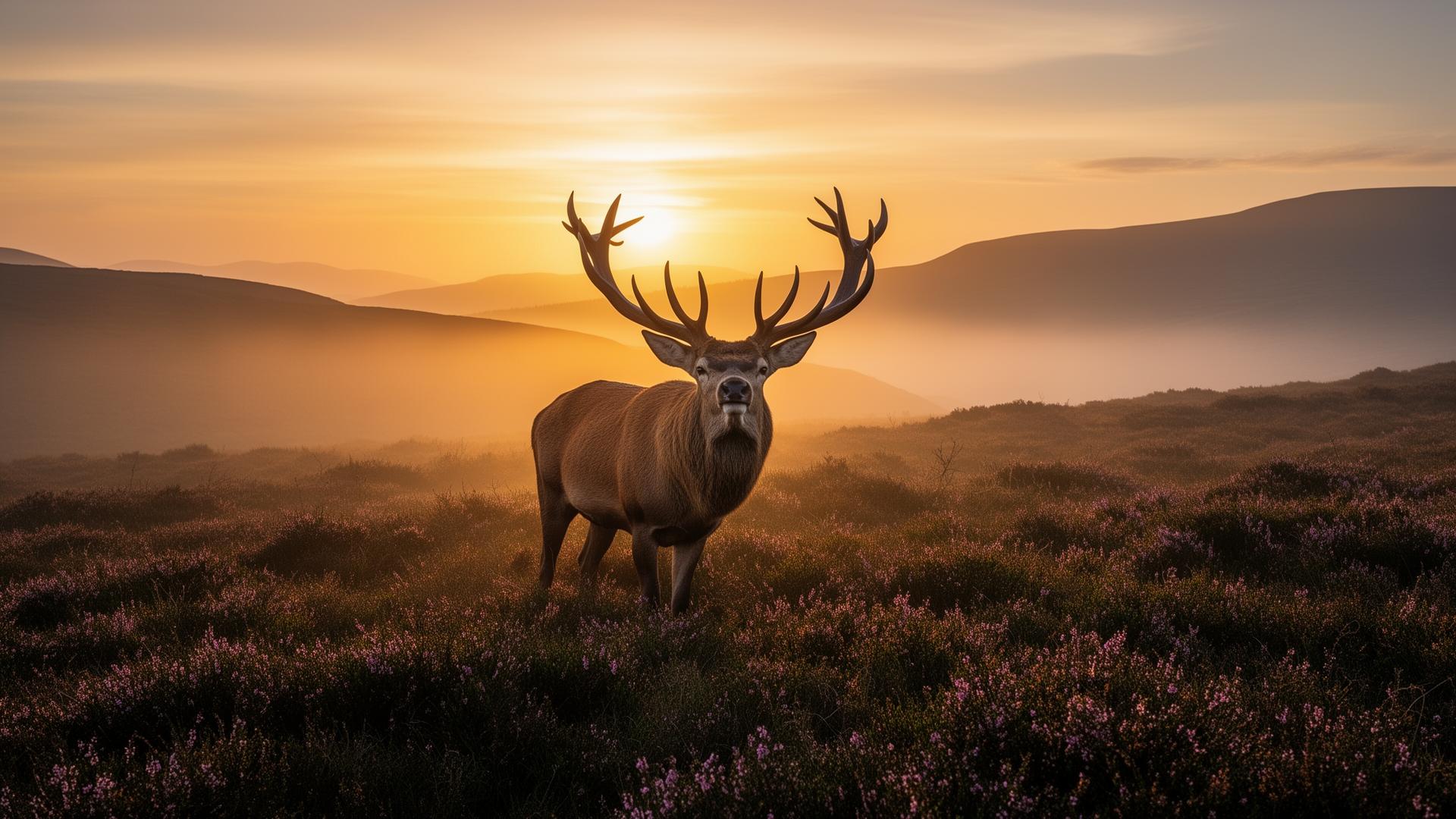
The roar of a red deer stag echoing across a Scottish glen is one of Britain's most iconic wildlife sounds. Red deer are magnificent animals, the largest native land mammals in the UK, and a treasured part of our natural heritage. But in the context of rewilding, they present a complex challenge.
Without natural predators to control their numbers, red deer populations have grown beyond sustainable levels in many areas, preventing woodland regeneration and reducing biodiversity. Understanding this paradox, appreciating deer while managing their impact, is central to successful rewilding.
Britain's Native Deer
Red deer (Cervus elaphus) are one of only two deer species native to Britain, alongside the smaller roe deer. They colonised these islands as the glaciers retreated 11,000 years ago and have been part of our fauna ever since.
Historically, red deer were widespread across Britain, but hunting and habitat loss confined them to the Scottish Highlands, parts of the Lake District, and southwest England. Today, populations have recovered and expanded, with deer now found in many lowland areas as well.
UK Deer Species
Native. Britain's largest, around 350,000+ animals.
Native. Smaller woodland deer, widespread.
Introduced by Normans, now widespread.
Introduced from East Asia, hybridising with red deer.
Introduced from China, small and spreading.
Introduced, localised in eastern England.
Red Deer Ecology
Red deer are highly adaptable animals that can thrive in woodland, moorland, and agricultural landscapes. Understanding their ecology helps explain their role in ecosystems:
Seasonal Movement
In upland areas, deer move between high ground in summer and sheltered glens in winter, following traditional routes used for thousands of years.
Feeding Behaviour
Red deer graze grasses and herbs, and browse on heather, shrubs, and tree shoots. This dual strategy lets them exploit varied habitats.
The Rut
In autumn, stags compete for hinds through roaring, posturing, and antler clashes. This spectacular behaviour attracts wildlife watchers.
Social Structure
Hinds live in matriarchal groups with their calves. Stags form bachelor groups outside the rut, only joining hinds for breeding.
The Deer Dilemma
Here's the uncomfortable truth: in many parts of Britain, there are too many deer for healthy ecosystems. Without natural predators, deer populations have grown to levels that damage the habitats we're trying to restore.
High deer numbers cause:
- Failed tree regeneration: Deer eat tree seedlings, preventing natural woodland expansion.
- Reduced ground flora: Overbrowsing removes wildflowers and understory plants.
- Uniform woodland structure: Without regeneration, woodlands become aging stands with no young trees.
- Agricultural damage: Deer raid crops and damage forestry plantations.
- Vehicle collisions: Thousands of deer-vehicle accidents occur annually.
"Scotland has more deer than it's had for a thousand years. Until we address deer numbers, we cannot restore our native woodlands."
Deer in Rewilding Projects
Most rewilding projects need to actively manage deer to allow habitat recovery:
- Fencing: Some projects fence deer out of regenerating areas, though this is expensive and restricts natural processes.
- Culling: Many projects control deer through sustainable hunting, often selling venison to fund conservation.
- Natural balance: The long-term hope is that predator reintroduction could naturally regulate deer.
At Knepp Estate, fallow and roe deer are managed through shooting to maintain a balance that allows scrub and woodland to regenerate while keeping some grazing pressure that creates habitat diversity.
The Predator Question
Could reintroducing predators naturally control deer? This is one of the most debated questions in British rewilding:
- Lynx: Would prey on roe deer and young red deer. Seen as realistic by many conservationists.
- Wolf: The main predator of red deer historically. Much more controversial and challenging.
Even without killing many deer, the presence of predators changes deer behaviour. "Landscapes of fear" make deer more wary, reducing time spent in any one place and allowing vegetation to recover.
Where to See Red Deer
Best Locations for Red Deer
- •Scottish Highlands: The heartland of British red deer, especially Cairngorms, Glen Coe, and the West Highlands.
- •Exmoor: England's wild deer population on the moors and in combes.
- •Lake District: Deer roam the fells and woodlands.
- •Richmond Park, London: Free-roaming red and fallow deer in an urban setting.
Experience Welsh Wildlife
Stay at the Grange Project and explore the wildlife of the Welsh Marches.
Further Resources
Watch
Red Deer Rut Starts With a Roar | Robert E Fuller
Dramatic footage of stags competing during the autumn rut.
Red Deer Stags Fight For Females In Rutting Season | Robert E Fuller
Understanding the impact of deer on woodland ecology.
Frequently Asked Questions
Are red deer native to the UK?
Yes, red deer are one of Britain's only two native deer species (along with roe deer). They have lived here since the end of the last Ice Age, around 11,000 years ago. They were once widespread but now have strongholds in Scotland, the Lake District, and southwest England.
Why are deer numbers a problem for rewilding?
In the absence of natural predators like wolves and lynx, deer populations have grown beyond what the land can sustainably support. Overgrazing and overbrowsing by deer prevents woodland regeneration, damages ground flora, and reduces habitat diversity. Many rewilding projects need to manage deer numbers to allow recovery.
When is the best time to see red deer?
The autumn rutting season (September-November) offers spectacular viewing as stags compete for hinds with roaring contests and antler clashes. Dawn and dusk are the best times year-round. In summer, deer are often more visible in open areas during cooler hours.
How big are red deer?
Red deer are Britain's largest native land mammal. Stags can weigh up to 225 kg and stand 1.2 metres at the shoulder. Hinds are smaller, typically 100-120 kg. Scottish red deer are generally smaller than those in England due to harsher conditions and less nutrition.
Do red deer have natural predators in the UK?
Not anymore. Wolves and lynx, which would have preyed on deer, have been extinct in Britain for centuries. This lack of predation is a key reason deer populations have grown so large. Some rewilding advocates propose reintroducing lynx to naturally control deer.
Continue Reading
Stay Updated on Rewilding
Join our newsletter for the latest rewilding news, guides, and updates from The Grange Project.