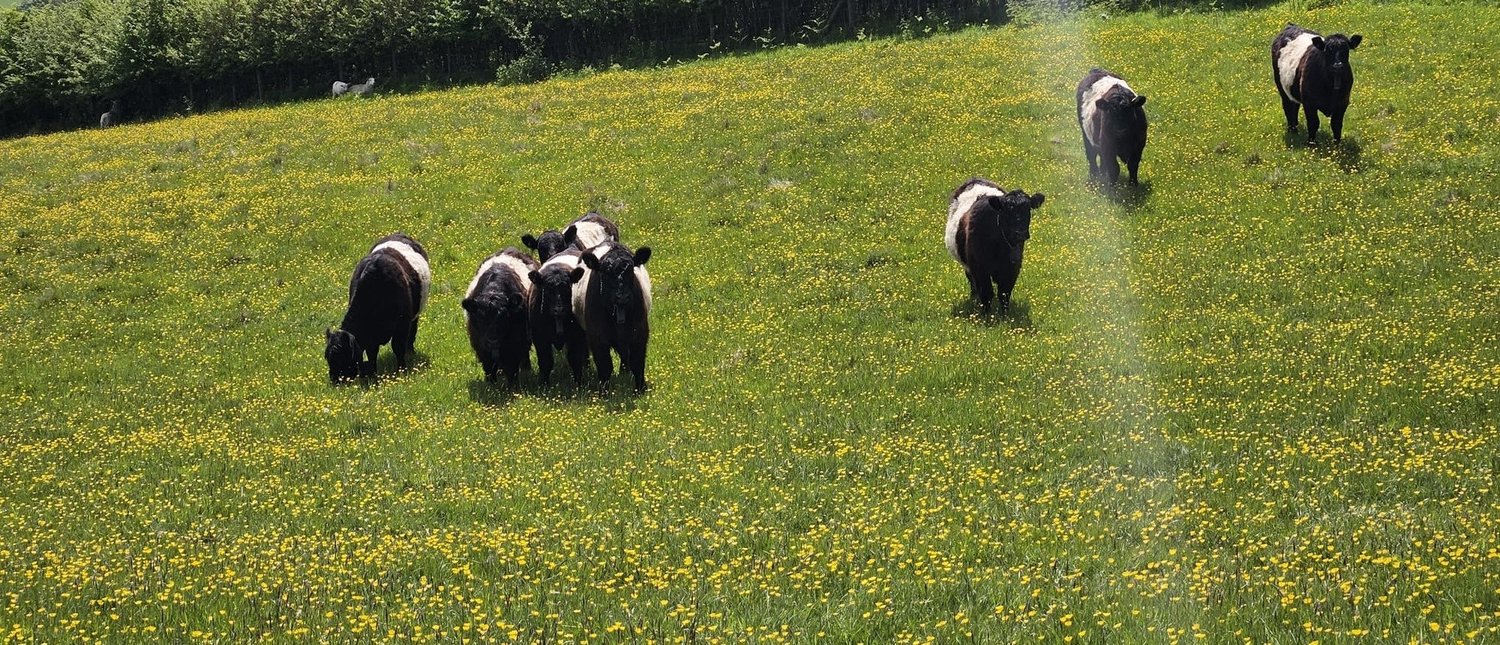
Long before Britain was farmed, wild cattle, the mighty aurochs, shaped our landscapes through their grazing and browsing. These powerful animals, standing nearly two metres tall at the shoulder, created the mosaic habitats that supported extraordinary biodiversity.
Today, rewilding projects across Britain are using native cattle breeds to recreate these grazing patterns. Longhorns, Highlands, and White Parks are proving that cattle can be conservation heroes, not just livestock.
The Aurochs Legacy
The aurochs (Bos primigenius) was the wild ancestor of all domestic cattle. These magnificent animals were central to European ecosystems for hundreds of thousands of years, creating and maintaining the wood-pasture habitats that supported maximum biodiversity.
Aurochs were domesticated around 10,000 years ago, and the last wild individual died in Poland in 1627. But their legacy lives on in cattle breeds that retain some of their ancestor's characteristics, including the ability to thrive on rough vegetation, browse on trees and shrubs, and survive outdoors year-round.
"In the absence of the aurochs, we can use their domesticated descendants to restore the grazing and browsing functions that shaped British landscapes for millennia."
Native Cattle Breeds
English Longhorn
With their distinctive curved horns and hardy constitution, Longhorns are the stars of many rewilding projects. They're excellent browsers, tackling scrub and brambles that other cattle avoid. Their docile temperament makes them suitable for sites with public access.
Used at: Knepp Estate, Wilder Blean, many Wildlife Trust reserves
Highland Cattle
Scotland's iconic breed is perfectly adapted to wet, upland conditions. Their long, shaggy coats protect them from the worst weather, while their wide horns help clear snow to find vegetation. They thrive on rough grazing that other breeds would struggle with.
Used at: Scottish rewilding projects, upland nature reserves
White Park Cattle
One of Britain's most ancient breeds, White Parks may descend directly from cattle domesticated by Iron Age Britons. Their white coats with black points make them striking landscape features. They're hardy, disease-resistant, and excellent foragers.
Used at: Heritage sites, some rewilding projects
Belted Galloway
Recognisable by their distinctive white belt, "Belties" are excellent conservation grazers. They're hardy, calm, and efficient at converting rough vegetation into high-quality beef. Their thick double coat sheds water and insulates them in winter.
Used at: Various Wildlife Trust reserves
How Cattle Shape Landscapes
Cattle create habitat diversity in ways that differ from other grazers:
Browsing
Unlike sheep, cattle browse on shrubs, brambles, and young trees. This prevents scrub from dominating and maintains open areas within woodland.
Trampling
Heavy hooves create bare ground patches where seeds can germinate and ground-nesting invertebrates can burrow.
Dung
Cattle dung supports over 250 invertebrate species in the UK, from dung beetles to fly larvae that feed many birds.
Wallowing
Cattle create muddy wallows that provide habitat for amphibians and drinking spots for birds and mammals.
UK Cattle Rewilding Projects
- Knepp Estate, Sussex: Longhorn cattle roam alongside Exmoor ponies and Tamworth pigs in this pioneering rewilding project.
- Wilder Blean, Kent: Longhorns work alongside bison to manage ancient woodland.
- Wild Ken Hill, Norfolk: Native cattle help create mosaic habitats.
- Cambrian Wildwood, Wales: Welsh Black cattle graze rewilding land.
- RSPB Minsmere: Conservation grazing cattle maintain reedbed edges.
- The Grange Project, Wales: Native breeds help restore grassland biodiversity.
Conservation Beef
One of the exciting aspects of cattle in rewilding is that they produce a valuable product: high-quality, pasture-fed beef. This creates an economic model that makes rewilding sustainable.
Why Conservation Beef is Different
- •100% pasture-fed: No grain or concentrates, just natural vegetation.
- •Slow-grown: Animals mature naturally over 2-3 years, developing better flavour and marbling.
- •Low-stress: Free-roaming animals with minimal handling.
- •Climate-friendly: Well-managed grazing can sequester carbon in soils.
- •Biodiversity bonus: Your purchase directly supports wildlife conservation.
Projects like Knepp now sell beef boxes directly to consumers, creating a premium product that funds ongoing rewilding work.
Experience Rewilding in Wales
Visit the Grange Project to see conservation grazing in action and learn about how native cattle are helping restore Welsh landscapes.
Further Resources
Watch
Knepp Rewilded - A Short Film | Knepp Estate
How Longhorn cattle are helping create diverse habitats at Knepp.
The Story of Knepp: A Rewilding Success | Natural History Museum
Explore why native cattle are perfect for rewilding projects.
Frequently Asked Questions
What are the best cattle breeds for rewilding?
The most commonly used breeds are Longhorn cattle, Highland cattle, and White Park cattle. Each has different strengths: Longhorns are excellent browsers that eat scrub and brambles; Highlands are incredibly hardy and suited to wet, upland conditions; White Parks are an ancient breed with strong conservation genetics.
How are cattle different from sheep for conservation grazing?
Cattle graze very differently from sheep. They wrap their tongues around vegetation and pull, rather than nibbling close to the ground. This creates a more varied sward height. Cattle also browse on shrubs and create pathways through dense vegetation. They're heavier, so their hooves create different ground disturbance patterns.
What is an aurochs?
The aurochs (Bos primigenius) was the wild ancestor of domestic cattle, native to Europe, Asia, and North Africa. They became extinct in 1627 when the last individual died in Poland. Modern cattle breeds, especially Longhorns and some continental breeds, retain some aurochs-like characteristics and behaviours.
Are conservation grazing cattle dangerous?
Most conservation grazing cattle are calm and used to seeing people, but they should be treated with respect. Never approach cattle with calves, as cows can be protective. Keep dogs on leads around cattle. If cattle approach, walk calmly away. Bulls are rarely used in public-access sites.
Can I eat beef from rewilding projects?
Yes! Many rewilding projects sell pasture-fed beef from their conservation grazing herds. This creates an income stream that makes rewilding economically sustainable. The meat is typically of high quality, raised slowly on natural vegetation without grain feeding.
Continue Reading
Stay Updated on Rewilding
Join our newsletter for the latest rewilding news, guides, and updates from The Grange Project.