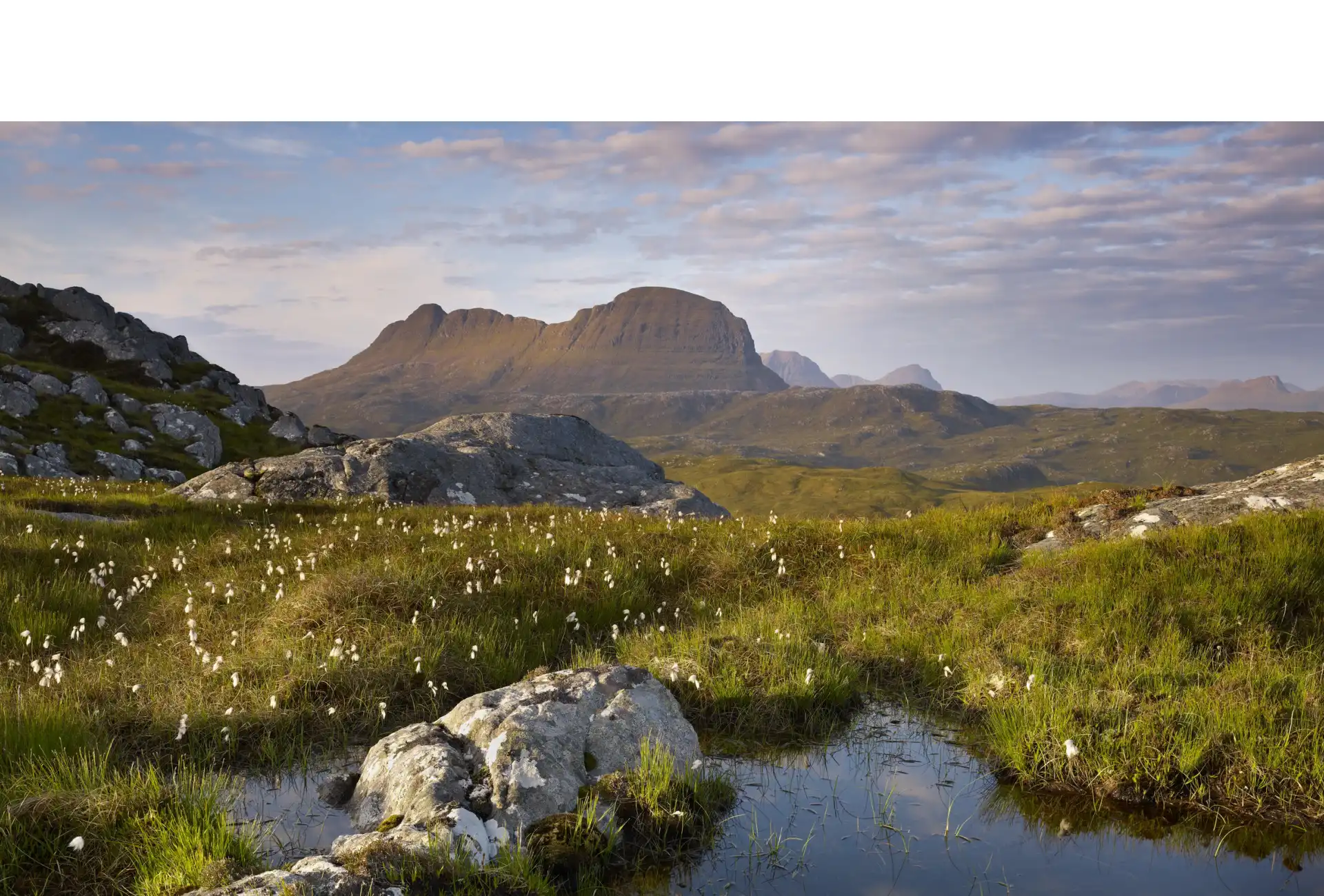
UK Rewilding Organisations & Charities
The people and charities putting wild nature back on the map across Britain.
Photo: courtesy of the John Muir Trust
Who's Doing the Work?
Rewilding in the UK is driven by a growing network of charities, community groups and land managers. Some own and restore land directly; others coordinate, fund, campaign or train the next generation of rewilders. This hub introduces the main organisations shaping nature recovery in Britain and shows how you can get involved.
Showing 23 of 23 organisations
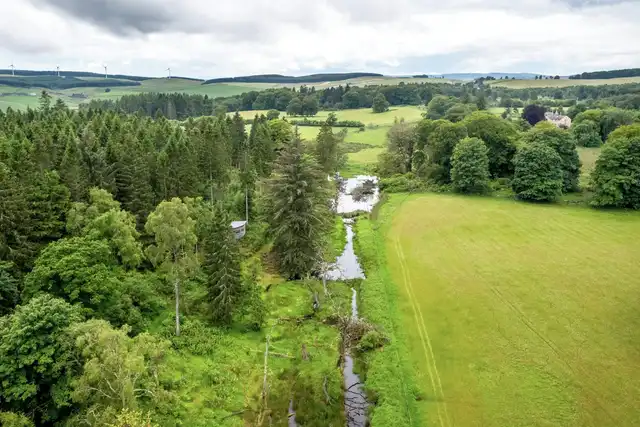

Rewilding Britain
UK-wideThe UK umbrella body coordinating the Rewilding Network and campaigning for 30% of Britain's land and sea restored by 2030.
Photo: James Shooter / scotlandbigpicture.com, courtesy of Rewilding Britain
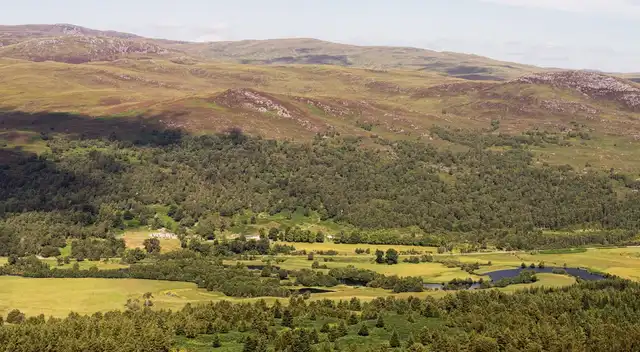

Trees for Life
ScotlandScottish charity restoring the Caledonian forest through its Dundreggan estate, volunteer weeks and the Affric Highlands landscape partnership.
Photo: © Trees for Life
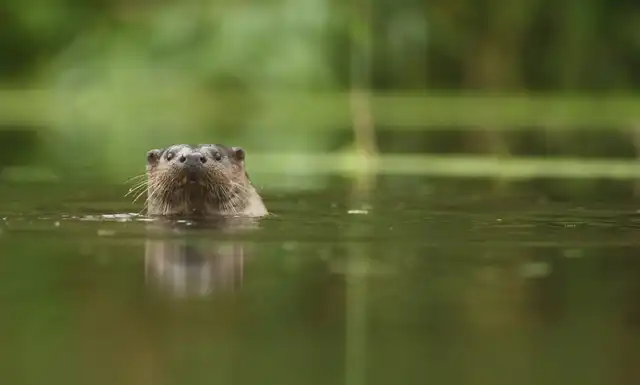

The Wildlife Trusts
UK-wideA federation of 46 local trusts managing around 2,300 nature reserves and campaigning to put nature into recovery across the UK.
Photo: Luke Massey / 2020VISION, courtesy of The Wildlife Trusts
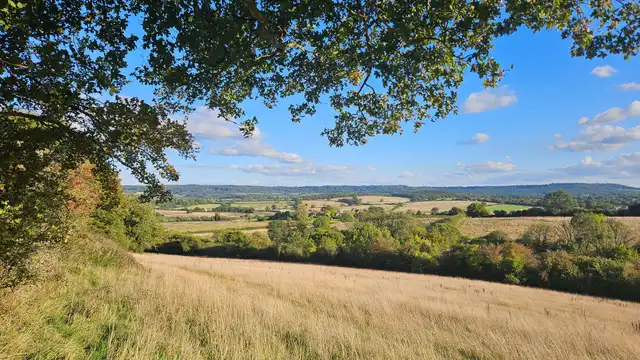

Heal Rewilding
EnglandA young national charity buying lowland English farmland and returning it to nature, starting with its 460-acre Heal Somerset site.
Photo: courtesy of Heal Rewilding
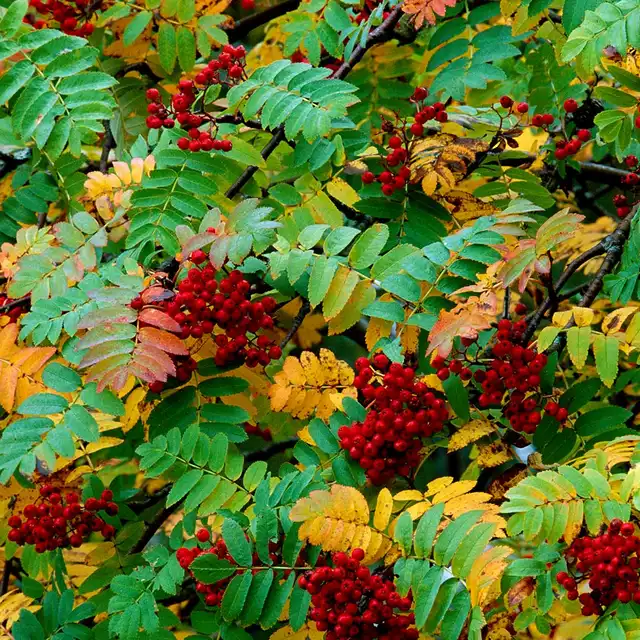

Woodland Trust
UK-wideThe UK's largest woodland conservation charity, caring for more than 1,000 woods and fighting for ancient woodland since 1972.
Photo: Pete Cairns / naturepl.com, courtesy of the Woodland Trust
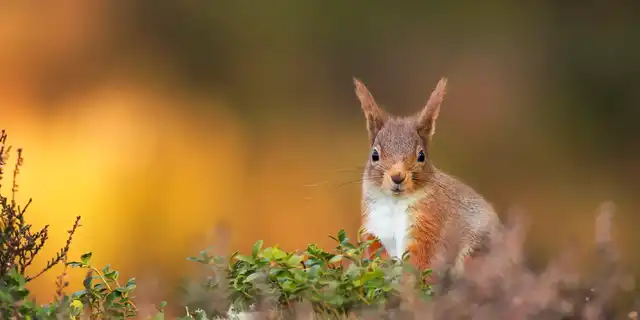

SCOTLAND: The Big Picture
ScotlandThe Scottish charity behind the Northwoods Rewilding Network, connecting 100+ farms, crofts and community woodlands.
Photo: courtesy of SCOTLAND: The Big Picture
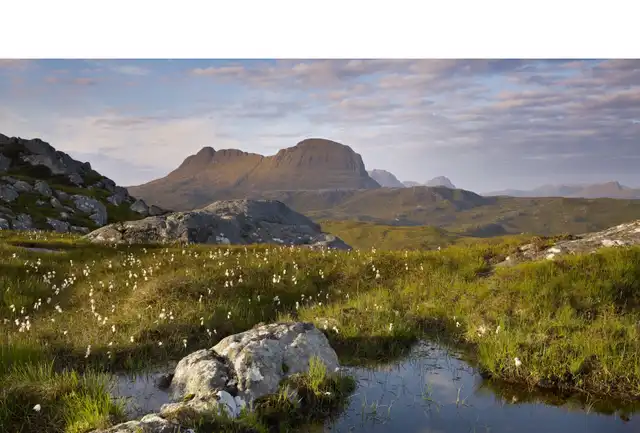

John Muir Trust
UK-wideThe wild places charity caring for Ben Nevis, Sandwood Bay and other iconic wild land, and running the John Muir Award.
Photo: courtesy of the John Muir Trust
Rewilding Europe
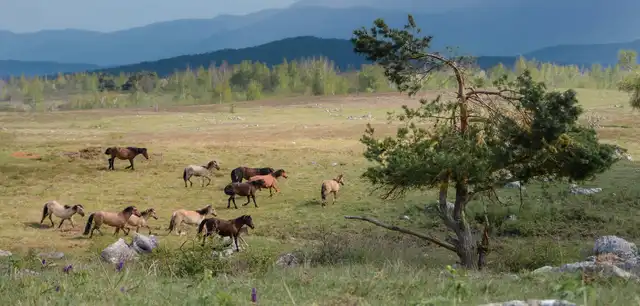
EuropeThe continent-wide organisation working across 11 rewilding landscapes and funding wildlife comebacks from bison to vultures.
Photo: courtesy of Rewilding Europe
Beaver Trust
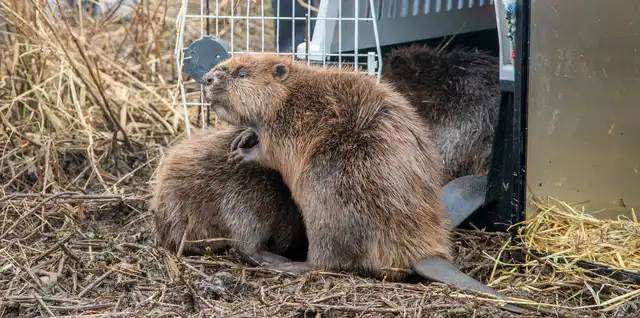
UK-wideThe charity restoring beavers to British rivers, combining science, film and practical support for the landowners who share their catchments.
Photo: courtesy of Beaver Trust
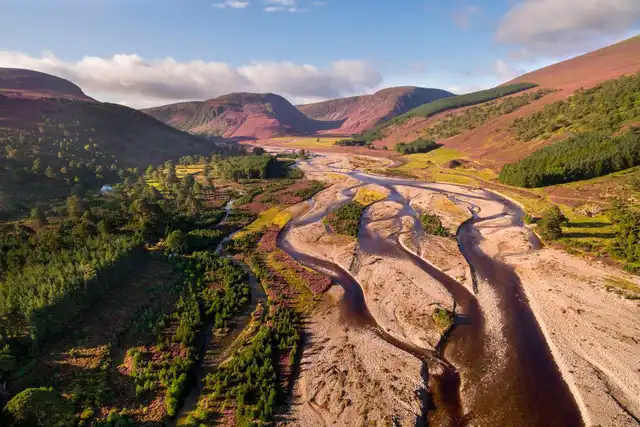

Cairngorms Connect
ScotlandBritain's largest habitat restoration project: four neighbouring land managers restoring 600+ square kilometres to a 200-year vision.
Photo: courtesy of Cairngorms Connect
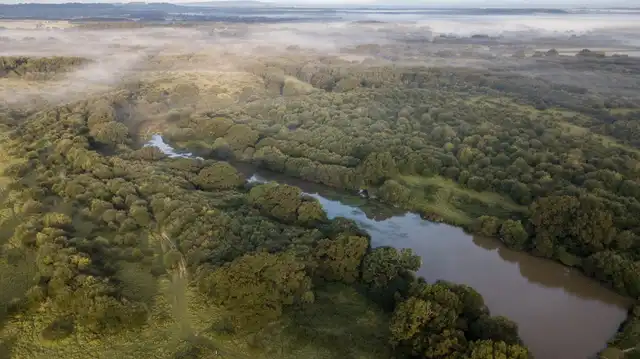
Knepp Wildland Foundation
EnglandThe charity behind Britain's best known lowland rewilding project, sharing 25 years of learning from 3,500 acres in West Sussex.
Photo: courtesy of the Knepp Wildland Foundation
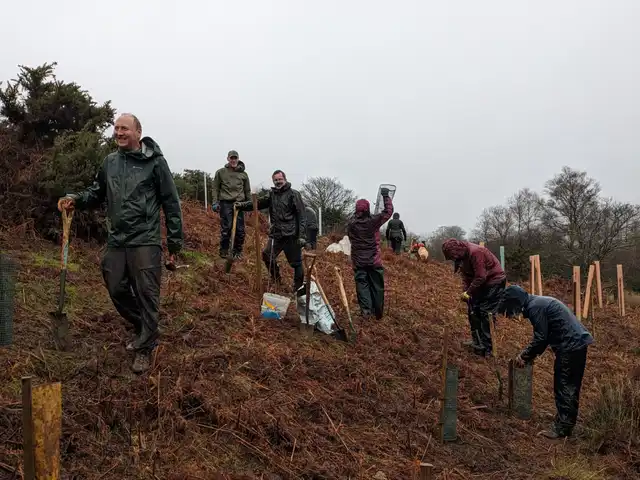

Moor Trees
EnglandA Devon charity growing native trees from locally collected seed in volunteer nurseries and planting them back across Dartmoor.
Photo: courtesy of Moor Trees
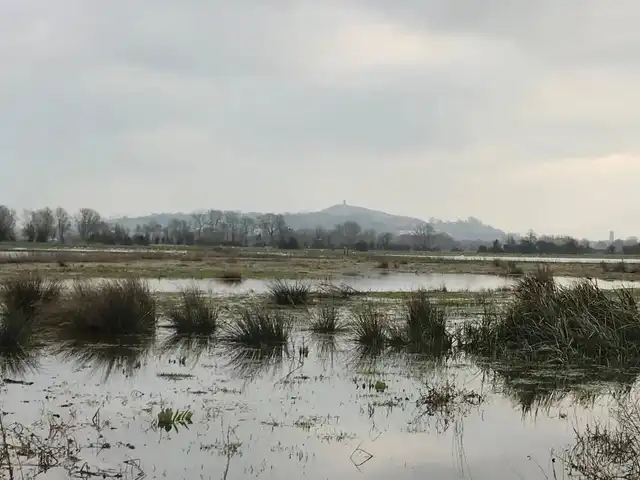

Somerset Wildlands
EnglandA young charity buying parcels of the Somerset Levels and letting them rewild as a network of lightly managed wild stepping stones.
Photo: courtesy of Somerset Wildlands
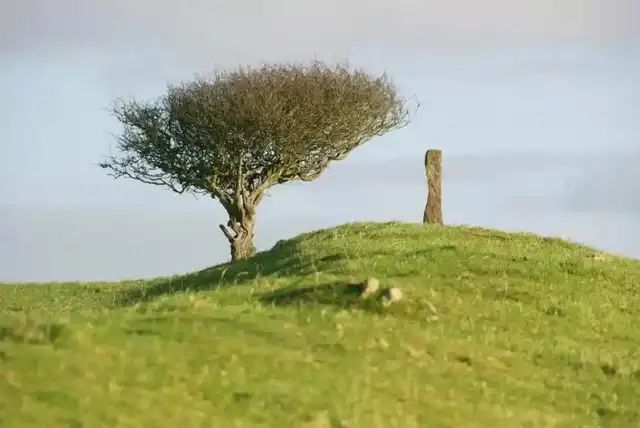

Wild Hamatethy
EnglandA privately owned 750-acre estate in north Cornwall restoring wood pasture, beaver wetland and rainforest, and home to The Cornwall Stork Project.
Photo: courtesy of Wild Hamatethy
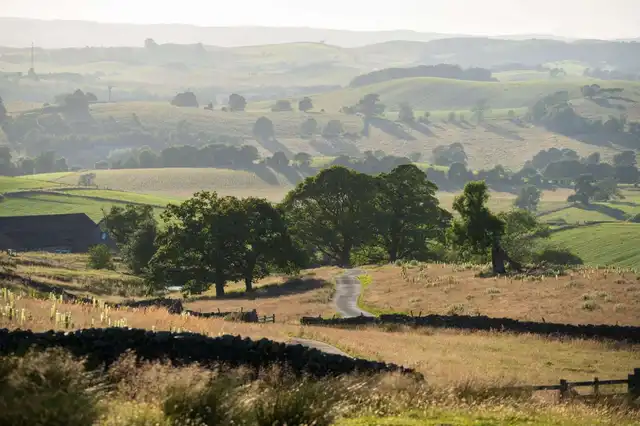

Broughton Sanctuary
EnglandA 2,500 acre Yorkshire Dales estate restoring former farmland with 330,000 native trees, new wetlands and reintroduced beavers.
Photo: courtesy of Broughton Sanctuary
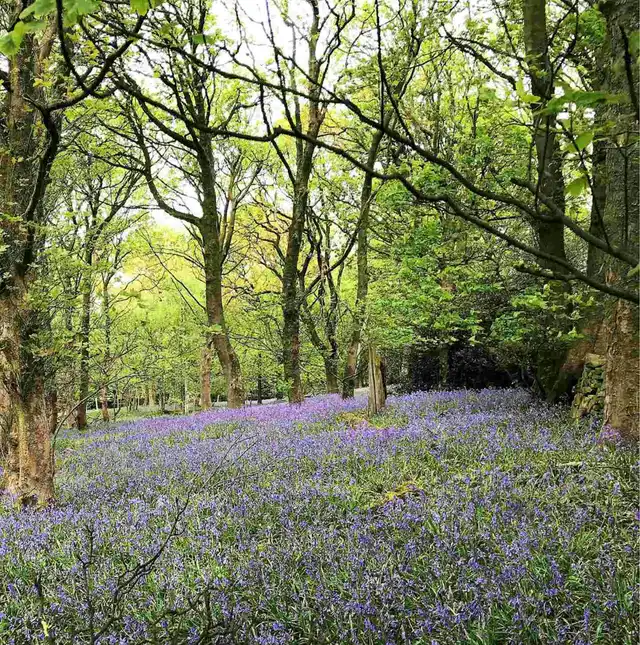

Make It Wild
EnglandA North Yorkshire outfit that buys tired land and stays with it, caring for 600+ acres across 18 restored sites since 2010.
Photo: courtesy of Make It Wild
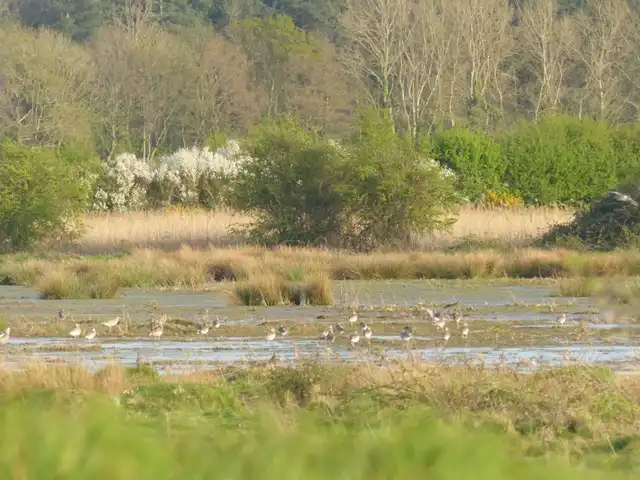

Wild Ken Hill
EnglandThe 4,000 acre Norfolk project made famous by Springwatch, running rewilding, regenerative farming and conservation side by side.
Photo: courtesy of Wild Ken Hill
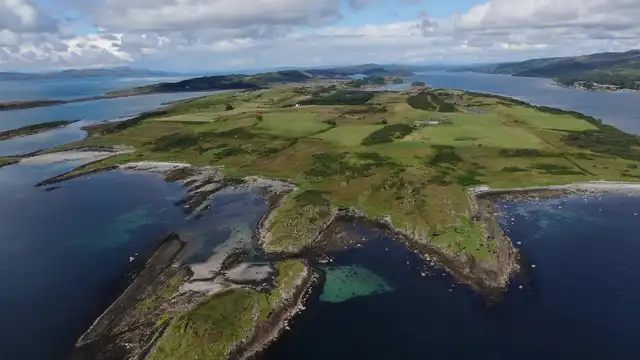

Highlands Rewilding
ScotlandA mass-owned Scottish company restoring land at Bunloit on Loch Ness and Tayvallich in mid-Argyll, with intensive carbon and biodiversity monitoring.
Photo: courtesy of Highlands Rewilding
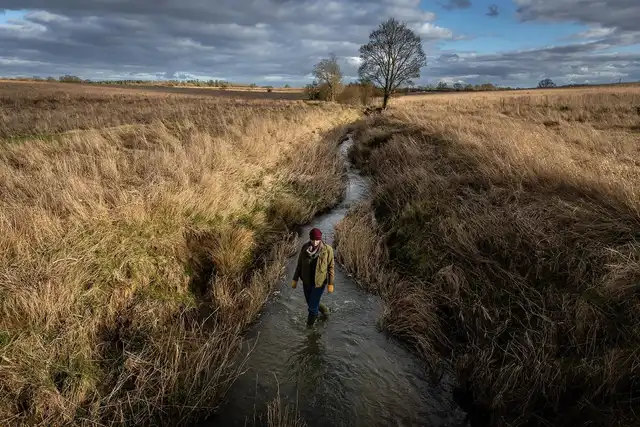

Nattergal
EnglandA for-profit company restoring whole landscapes at Boothby Wildland, High Fen and Harold's Park, funded through carbon and biodiversity markets.
Photo: courtesy of Nattergal
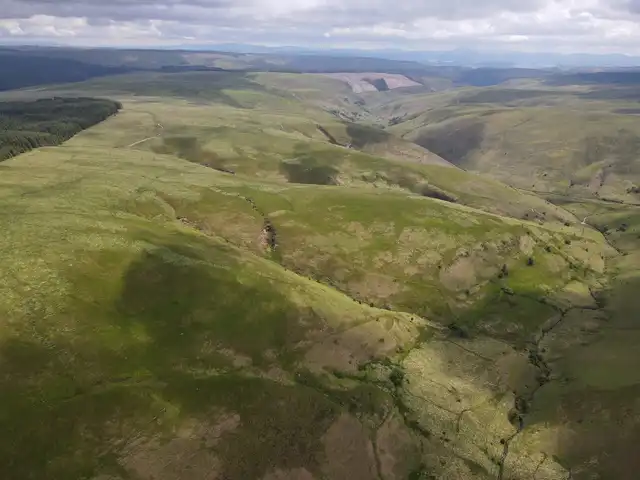
Tir Natur
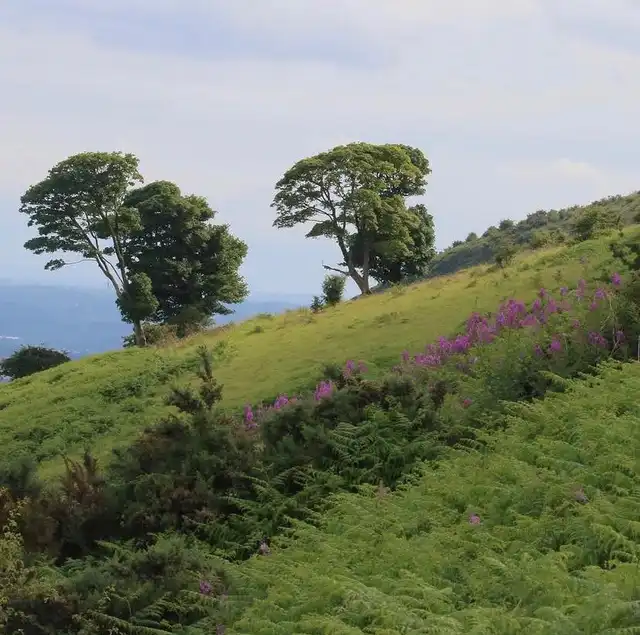
WalesThe Welsh charity behind Cwm Doethie, 1,195 acres in the Cambrian Mountains secured in 2026 and the largest rewilding site in Wales.
Tir Natur

Welsh Rewilding Alliance
WalesCynghrair Ailwylltio Cymru, the coalition launched in 2026 to put rewilding into Welsh policy, and one we are a core member of.
The Grange Project
Cambrian Wildwood
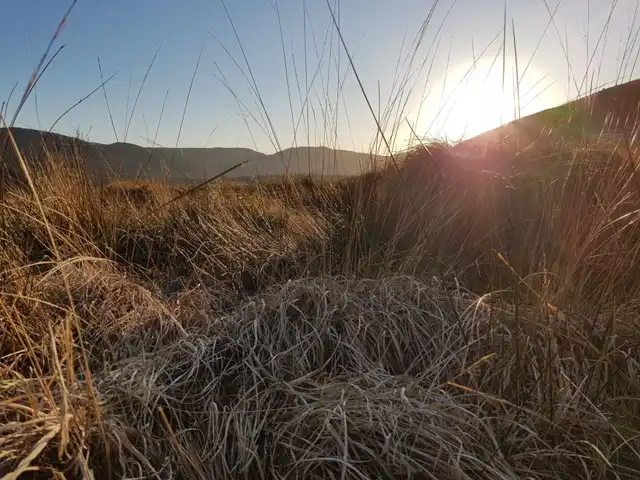
WalesCoetir Anian, restoring 350 acres of blanket bog and upland at Bwlch Corog near Machynlleth since 2007, with Konik horses and a remarkable education programme.
Cambrian Wildwood
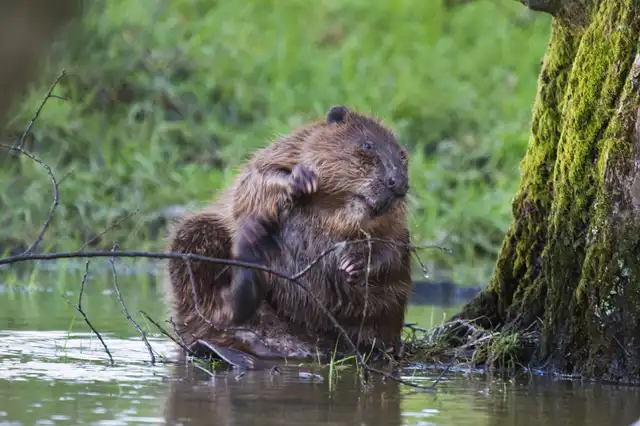
Welsh Beaver Project
WalesThe twenty-year effort that made beavers a protected native species in Wales in 2026, led by North Wales Wildlife Trust for the five Welsh Wildlife Trusts.
Chris Robbins / North Wales Wildlife Trust
How to Support Rewilding Organisations
You do not need to own land to make a difference. These four routes are how most people help the organisations doing the work on the ground.
Donate
Most charities rely on regular giving to buy land, plant trees and employ local staff. A monthly donation often unlocks member updates and events.
Volunteer
From planting trees at Dundreggan to surveying species on a Wildlife Trust reserve, practical help is often the most valuable contribution.
Campaign
Sign petitions, respond to consultations and talk to MPs about stronger nature-recovery policies. Numbers matter in planning decisions.
Visit
Many trusts and rewilding projects welcome visitors through guided walks, open days and eco-accommodation. Income from visits funds further restoration.
Common Questions
What is the biggest rewilding charity in the UK?
Is Rewilding Britain a charity?
How can I get involved with rewilding if I do not own land?
What is the difference between rewilding and conservation charities?
Explore Rewilding Across the UK
See how projects in each nation are restoring habitats and reintroducing species.