Overview
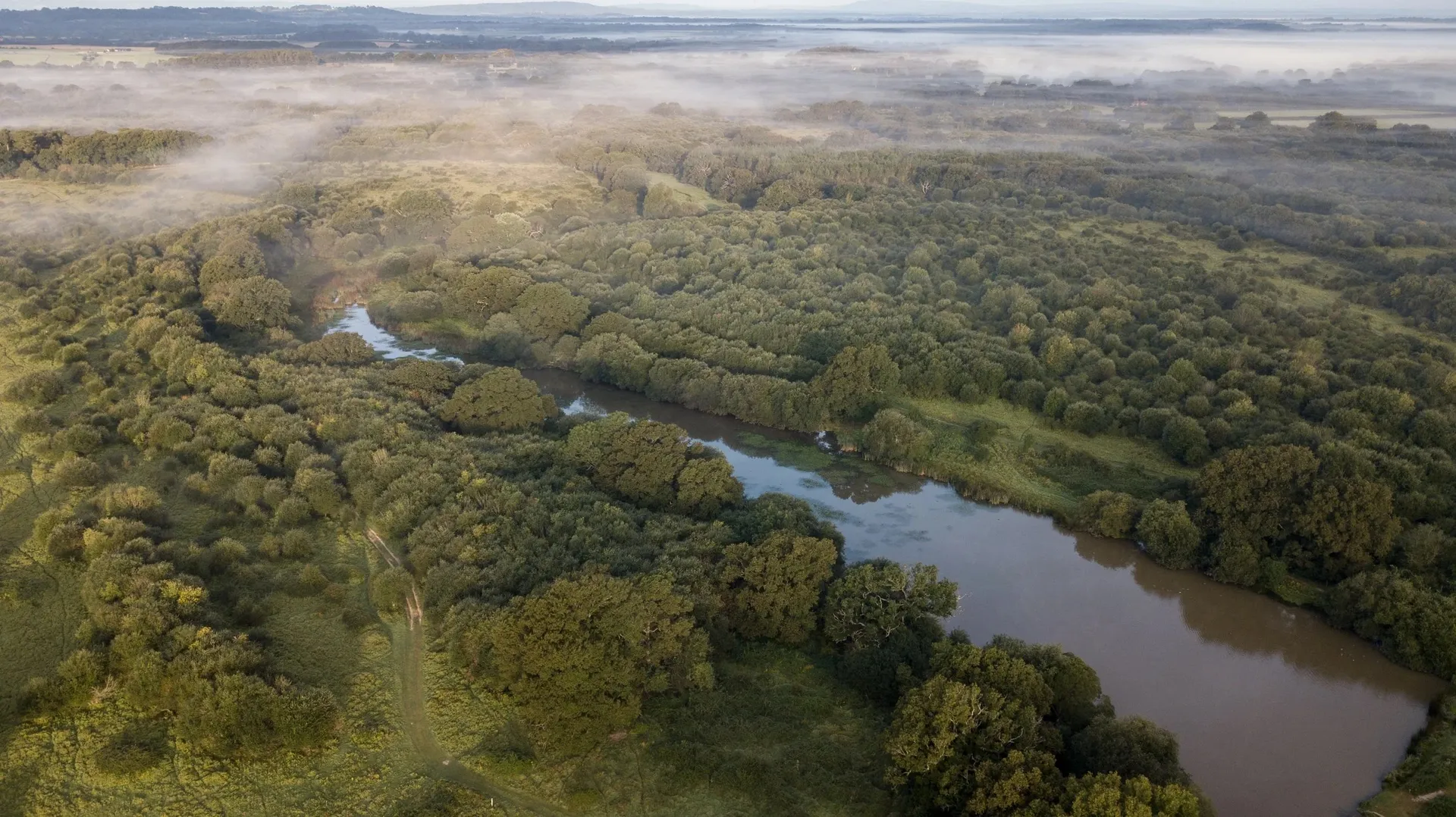
If one place changed how Britain talks about rewilding, it is Knepp. The 3,500-acre estate near Horsham in West Sussex was heavy clay farmland that never really paid. In 2001 Charlie Burrell and Isabella Tree stopped trying to force it, removed internal fences, and let natural processes run.
The Knepp Wildland Foundation is the charity that sits alongside that project. Where the estate manages the land and the visitor business, the foundation carries the public-good side: education, research, access and helping other landowners learn from what happened here.
The Knepp Story
Knepp's approach is process-led rather than target-led. Longhorn cattle, Exmoor ponies, Tamworth pigs and deer roam freely, standing in for the aurochs, wild horses and boar that once shaped lowland Britain. Their grazing, rooting and trampling produce a shifting mosaic of scrub, thorny thickets, open grassland and emerging wood pasture.
The results have been striking: nightingales and turtle doves breeding in scrub that a conventional conservationist would have cleared, one of the strongest purple emperor butterfly populations in the country, and the return of breeding white storks through the White Stork Project.
What the Foundation Does
The foundation's focus is on people. That includes school and university visits, hosting research on the estate, running community access programmes, and supporting those who would struggle to reach a place like this otherwise.
Knepp has become an outdoor classroom for anyone interested in nature recovery, and the charity exists so that role does not depend on the visitor business alone.
Weald to Waves
Knepp is also a founding force behind Weald to Waves, an ambitious 100-mile nature recovery corridor linking Ashdown Forest through the Sussex Weald to the sea. The idea is simple and important: isolated rewilded sites are islands, and wildlife needs routes between them.
The corridor depends on hundreds of landowners, from large estates to small gardens, contributing a strip of habitat each. It is one of the clearest examples in England of rewilding scaling beyond a single boundary.
Visiting & Supporting
Wildlife safaris, camping, glamping and walking trails at Knepp are booked through knepp.co.uk, and that income supports the project. To donate to the charity or explore its education and research work, visit kneppwildlandfoundation.org.
Further Resources
Watch
Knepp Rewilded | a short film
A 15-minute film on the Knepp rewilding project and the wildlife that has returned to it.
Learn More
Knepp Wildland Foundation
Knepp Wildland FoundationThe charity's site covering education, research and community programmes.
Knepp Estate
KneppSafaris, camping, the rewilding story and the estate's research library.
Weald to Waves
Weald to WavesThe 100-mile nature recovery corridor from Ashdown Forest to the Sussex coast.
Frequently Asked Questions
What is the Knepp Wildland Foundation?
The Knepp Wildland Foundation is the charity connected to the Knepp Estate in West Sussex. While the estate runs the rewilding project itself, the foundation focuses on education, research, community access and sharing what has been learned at Knepp with others.
What is Knepp rewilding?
Knepp is a 3,500-acre former intensive farm in West Sussex that stopped conventional farming in 2001 and handed the land to natural processes, using free-roaming longhorn cattle, Exmoor ponies, Tamworth pigs and deer as proxies for missing wild herbivores. It is the best known lowland rewilding project in Britain.
Which species have returned to Knepp?
Knepp is celebrated for the return of turtle doves, nightingales, purple emperor butterflies and a growing bat and invertebrate community. It also hosts the White Stork Project, which has re-established breeding white storks in southern England, and has since seen beavers introduced into an enclosure.
Can I visit Knepp?
Yes. The estate runs wildlife safaris, camping and glamping, walking trails and a restaurant, and these visits help fund the project. Booking is through the Knepp Estate website rather than the foundation.
Continue Reading
Stay Updated on Rewilding
Join our newsletter for the latest rewilding news, guides, and updates from The Grange Project.