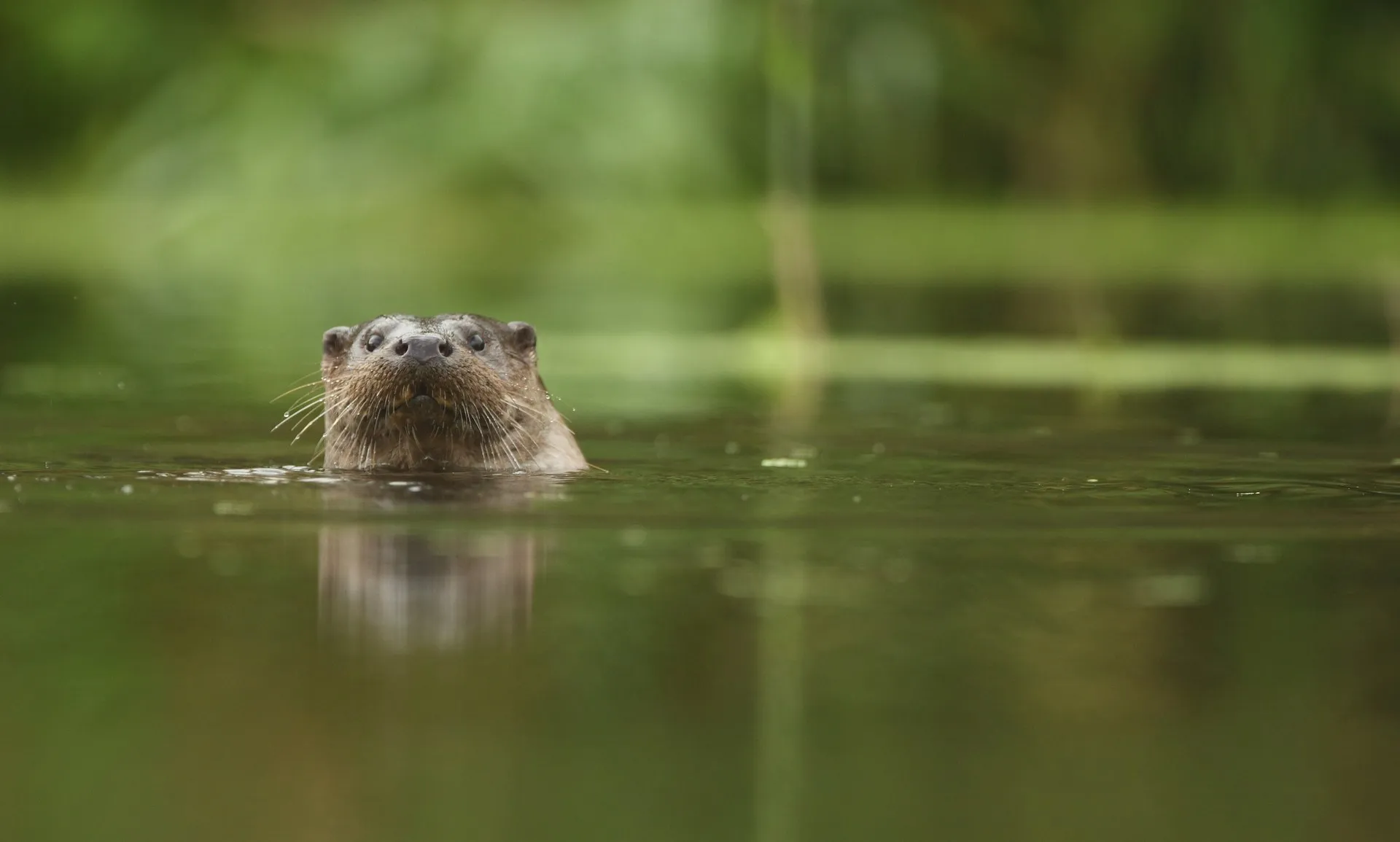
Overview
The Wildlife Trusts is the UK's largest grassroots network dedicated to protecting and restoring wildlife. What began in 1912 as a small society to protect nature reserves has grown into a movement of 46 independent local trusts, collectively managing some of the most important wildlife sites in the country.
Although the trusts are best known for nature reserve management, many are now leading rewilding projects, from beaver reintroductions and wetland restoration to low-intervention woodland and grassland management. Their scale and public reach make them one of the most influential forces in UK nature recovery.
History & Structure
The movement traces its origins to 1912, when Charles Rothschild founded the Society for the Promotion of Nature Reserves to protect places of wildlife value from development. Over the following decades, county and regional Wildlife Trusts formed across Britain, eventually becoming the federation that exists today.
Each trust is an independent charity governed by its own board and staff, but they share a common brand, pooled expertise and a central coordinating body, the Royal Society of Wildlife Trusts. This structure allows national campaigns while keeping decision-making rooted in local landscapes and communities.
Nature Reserves & the 30 by 30 Campaign
Together the Wildlife Trusts manage around 2,300 nature reserves, covering a huge variety of habitats from ancient woodland and lowland heath to salt marsh, peat bog and chalk grassland. These reserves protect rare species, provide outdoor education spaces and act as demonstration sites for nature-friendly land management.
The trusts' headline policy campaign is "30 by 30" - a call for at least 30% of the UK's land and sea to be protected and well-managed for nature by 2030. This goes beyond reserve boundaries, pushing for stronger laws, better agri-environment schemes and landscape-scale habitat connections.
Rewilding Work
Rewilding is not the primary framing of every Wildlife Trust, but it is increasingly part of how the movement operates. Examples include beaver reintroduction projects managed by several trusts, large wetland restoration schemes, rewilding grazing with native breeds, and allowing parts of reserves to develop with minimal human intervention.
The trusts also play a major role in species recovery, monitoring and citizen science. Their reserves produce long-term datasets that show what happens when land is managed primarily for nature, making them valuable partners in national research and policy debates.
How to Support The Wildlife Trusts
Membership is the most common way to support the movement. Because each trust is independent, membership is usually taken out with your local Wildlife Trust, which then uses the funds to manage nearby reserves and run education and conservation programmes.
Most trusts also run free volunteer conservation tasks, guided walks, talks and family events. Donations, legacies and corporate partnerships are also important income streams. You can find your nearest trust at wildlifetrusts.org.
Further Resources
Watch
Stephen Fry backs The Wildlife Trusts' 30 by 30
The Wildlife Trusts' campaign film on protecting 30% of land and sea for nature by 2030.
Learn More
The Wildlife Trusts: About Us
The Wildlife TrustsOfficial introduction to the federation, its mission and its local trusts.
Find Your Local Wildlife Trust
The Wildlife TrustsSearch for your nearest trust, reserves and volunteering opportunities.
30 by 30 Campaign
The Wildlife TrustsThe campaign for 30% of land and sea protected and connected for nature's recovery by 2030.
Frequently Asked Questions
What is The Wildlife Trusts?
The Wildlife Trusts is a federation of 46 independent local Wildlife Trusts covering the UK, Alderney and the Isle of Man. Together they manage around 2,300 nature reserves and campaign for nature's recovery.
How many members do The Wildlife Trusts have?
The movement has around 870,000 members nationally, though exact figures vary by year and should be checked in the latest annual report. Membership is usually held through a local Wildlife Trust.
Do The Wildlife Trusts do rewilding?
Yes. While the trusts have a long history of conservation management, many now include rewilding approaches on their reserves, such as beaver reintroductions, wetland restoration, low-intervention grazing and species recovery projects.
How do I join or support my local Wildlife Trust?
You can join through the website of your nearest Wildlife Trust. Membership typically funds local nature reserve management, education work and species projects. Many trusts also run volunteer days, guided walks and fundraising events.
Continue Reading
Rewilding in Wales
Welsh rewilding projects, many of which are supported by local Wildlife Trusts.
Garden Rewilding
Practical steps to make any garden more wildlife-friendly, wherever you live.
Wilder Podcast: What have the Wildlife Trusts ever done for us?
Episode 026 of the Wilder Podcast explores the role of Wildlife Trusts in UK nature recovery.
Stay Updated on Rewilding
Join our newsletter for the latest rewilding news, guides, and updates from The Grange Project.