Overview
Wild Ken Hill runs along the coast of west Norfolk, between the arable land of the Ken Hill estate and the wader-rich mudflats of the Wash. The Buscall family relaunched it in 2019 with a deliberately awkward proposition: do not choose between farming and nature, do both, properly, in different places.
It has become one of the most cited examples in the British land use argument, partly because of Springwatch and partly because it has published its reasoning rather than just its results.
The Three-Part Land Use Model
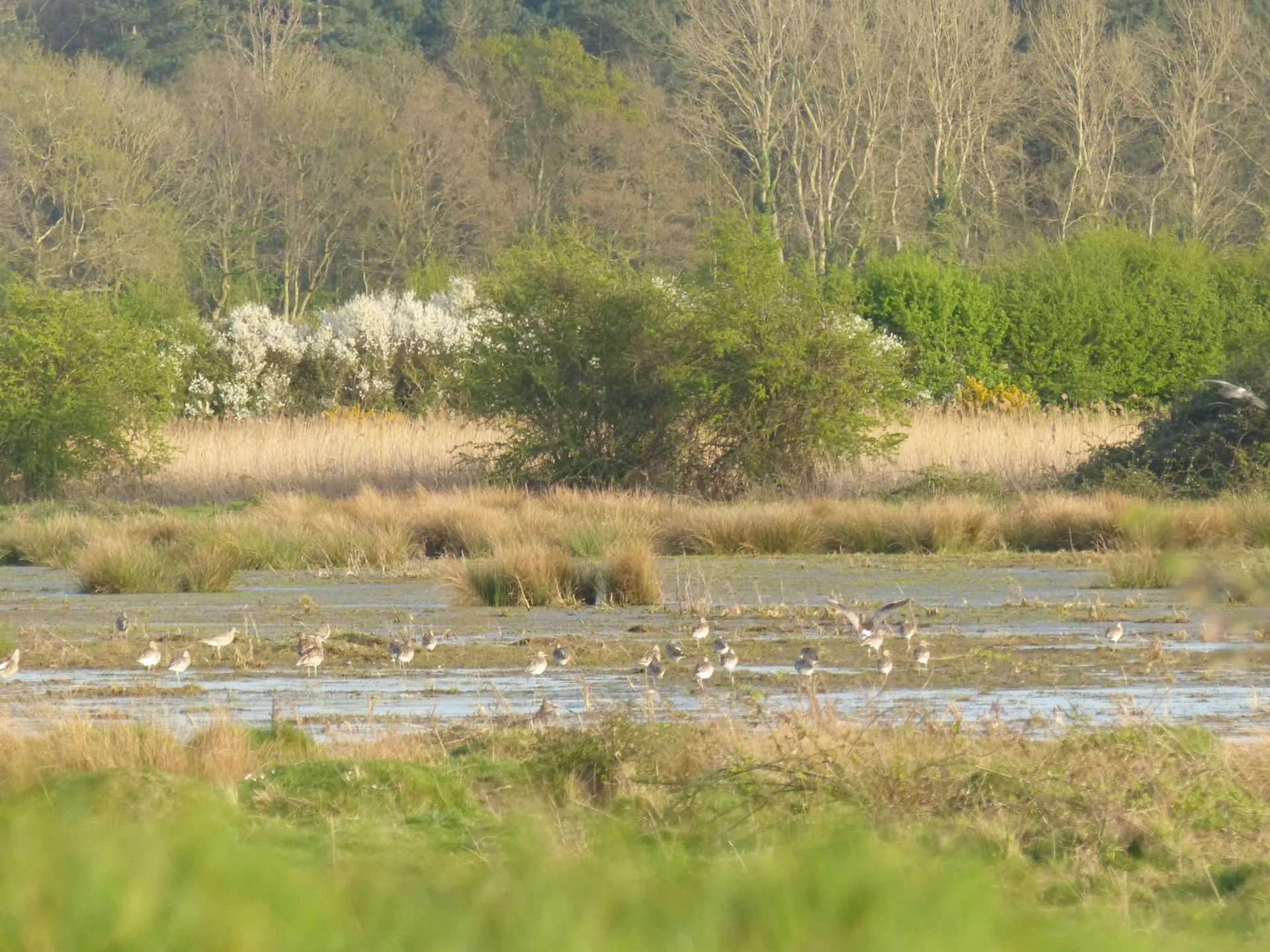
The lighter, poorer land is rewilded. The better arable ground is farmed regeneratively, with reduced tillage, cover crops and attention to soil carbon. The coastal marshes stay under traditional conservation management, because that is what the waders and the designations need.
The point of the model is that these three approaches are not rivals. Each suits a different piece of ground, and together they produce food, carbon storage and biodiversity from one holding.
Rewilding in Practice
On roughly a quarter of the site, free-roaming ponies, cattle and pigs do the management. Their grazing, trampling and rooting keep the land open in some places and let scrub build in others, producing the messy structure that farmland birds and invertebrates need.
Beavers, absent from Norfolk for centuries, were brought back into an enclosure and have been building the wet, tangled habitat that follows them everywhere they go.
Springwatch & Public Profile
BBC Springwatch was based at Wild Ken Hill for the 2021 and 2022 series, with Autumnwatch and Winterwatch broadcasting from the site up to 2023, putting the project and its arguments in front of millions of viewers. The programme has since moved elsewhere, but the profile stuck. Rewilding Britain's case study on the project looks past the television and at the business: how the change affected revenue, profit and jobs on the farm.
Visiting & Supporting Wild Ken Hill
Wild Ken Hill runs guided safaris and walks, including beaver walks and coastal wader tours. Booking a place is the most direct way to support the work. Details are at wildkenhill.co.uk.
Further Resources
Watch
The Remarkable Nature Comeback of Wild Ken Hill
A film on how the Norfolk project combines rewilding with regenerative farming.
Learn More
Wild Ken Hill
Wild Ken HillOfficial site with the project's approach, wildlife news and bookable experiences.
Rewilding and land use report
Wild Ken HillThe project's own thought piece explaining how rewilding, farming and conservation share one site.
Case study: Wild Ken Hill
Rewilding BritainIndependent case study on revenue, profit and employment effects of the change.
Frequently Asked Questions
What is Wild Ken Hill?
Wild Ken Hill is a family-owned project on around 4,000 acres of coastal west Norfolk, near Snettisham. Launched in 2019 by the Buscall family, it runs rewilding, regenerative farming and traditional conservation side by side on different parts of the same holding.
Was Springwatch filmed at Wild Ken Hill?
Yes, though not any more. BBC Springwatch was based at Wild Ken Hill for the 2021 and 2022 series, and Autumnwatch and Winterwatch also came from the site up to 2023. That exposure brought its land use model to a national audience and made it one of the best known rewilding sites in England. Springwatch has since moved on, to RSPB Arne, then Longshaw, and in 2026 to the Crom Estate in County Fermanagh.
Are there beavers at Wild Ken Hill?
Yes. Wild Ken Hill introduced the first beavers in Norfolk for hundreds of years into an enclosure, where they have created wetland and open water. Guided walks are run so visitors can learn about their effect on the landscape.
Can you visit Wild Ken Hill?
Yes. The project offers guided safaris and walks, including beaver walks and wader-focused tours of the coastal marshes, booked through its own website. Public access is managed rather than open, to keep disturbance low.
Continue Reading
Stay Updated on Rewilding
Join our newsletter for the latest rewilding news, guides, and updates from The Grange Project.