Overview
Highlands Rewilding was created to test whether nature recovery at scale can pay for itself and benefit the people who live nearby, rather than being a hobby for wealthy landowners. It rewilds and, in its own phrase, re-peoples the Scottish Highlands.
Its ambition is to increase carbon sequestration and biodiversity, create green jobs and generate profit for purpose from the land it owns and leases.
The Estates
Bunloit rises from the western shore of Loch Ness near Drumnadrochit, 513 hectares of native woodland, peatland and grassland with pine marten, red squirrel, badger and fox. The northern 336 hectares of the holding has since been sold.
Beldorney, in Aberdeenshire, was the second estate and drew attention from NatureScot as a test of what nature-led land management can deliver in the north east. It was sold in June 2025, the castle and part of the grounds to a private buyer and the remainder to the newly formed charity Deveron Wildland, both committed to continuing the restoration.
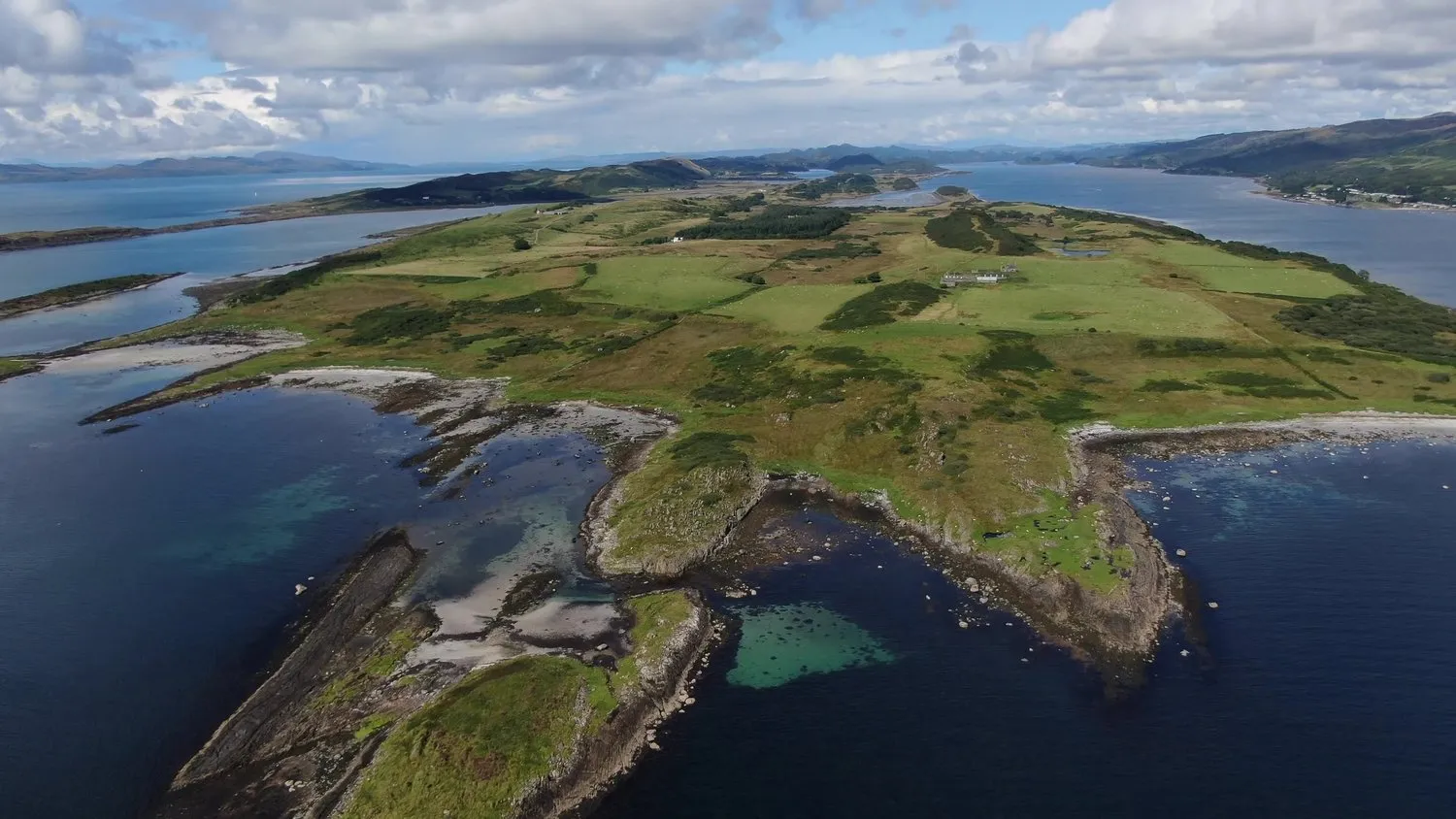
Tayvallich, in mid-Argyll, was the largest step. Its species-rich fen, juniper heath and fragments of Atlantic temperate rainforest sit inside the Knapdale National Scenic Area, close to Scotland's first modern beaver reintroduction. Over 625 hectares at Barrahormid has since passed to the charitable Barrahormid Trust, and Highlands Rewilding now manages more than 800 hectares there on the trust's behalf.
The Ownership Model
Rather than a single proprietor, Highlands Rewilding is owned by a large number of shareholders, from institutions to individuals buying small stakes. The intention is that Highland land ends up in many hands instead of a few.
Community involvement is formalised where possible. At Tayvallich the company signed a first-of-its-kind memorandum of understanding with the Tayvallich Initiative, a community body exploring community land purchase, to align local, ecological and shareholder interests.
Measuring Recovery
Each estate is run as a natural capital laboratory. Drone survey, environmental DNA sampling, soil coring and field ecology produce baselines and repeat measurements, so carbon and biodiversity claims can be checked. That data is also the product: verifiable credits depend on evidence, not enthusiasm.
How to Get Involved
You can buy shares, apply for jobs and traineeships, join volunteering and citizen science, or visit the estates. Details are at highlandsrewilding.co.uk. As with any investment, shares carry risk and returns are not guaranteed.
Further Resources
Watch
North Bunloit Rewilding Journey
A narrated tour of the habitats and restoration work at the Bunloit estate above Loch Ness.
Learn More
Highlands Rewilding
Highlands RewildingOfficial site covering the mission, estates and green jobs.
Rewilding projects in Scotland
Highlands RewildingSite-by-site detail on the Bunloit and Tayvallich projects.
Investing in Highlands Rewilding
Highlands RewildingHow the mass-ownership share model and natural capital approach work.
Frequently Asked Questions
What is Highlands Rewilding?
Highlands Rewilding is a Scottish company set up to deliver nature recovery and community prosperity together. It buys and leases land, restores habitats, measures the results scientifically, and aims to make a sustainable profit from natural capital while creating green jobs locally.
Which estates does Highlands Rewilding work on?
It began by buying three estates: Bunloit on the western shore of Loch Ness near Drumnadrochit, Beldorney in Aberdeenshire, and Tayvallich Estate in mid-Argyll, within the Knapdale National Scenic Area. Since 2024 it has sold most of that land to like-minded owners and charities and moved to an asset-light model, managing land for nature recovery rather than owning it. Beldorney was sold in June 2025, the northern part of Bunloit has been sold, and over 625 hectares at Barrahormid on the Tayvallich peninsula went to the charitable Barrahormid Trust, with Highlands Rewilding managing it under lease.
Is Highlands Rewilding community owned?
It describes itself as a mass-owned company, funded by many shareholders rather than a single owner, with community involvement built into decisions. At Tayvallich it signed a memorandum of understanding with the Tayvallich Initiative, a community body considering community land purchase.
What is a natural capital laboratory?
It is the term Highlands Rewilding uses for its estates: sites where carbon, biodiversity and soil are measured intensively using drones, eDNA and field survey, so that claims about recovery can be verified rather than asserted.
Continue Reading
Stay Updated on Rewilding
Join our newsletter for the latest rewilding news, guides, and updates from The Grange Project.