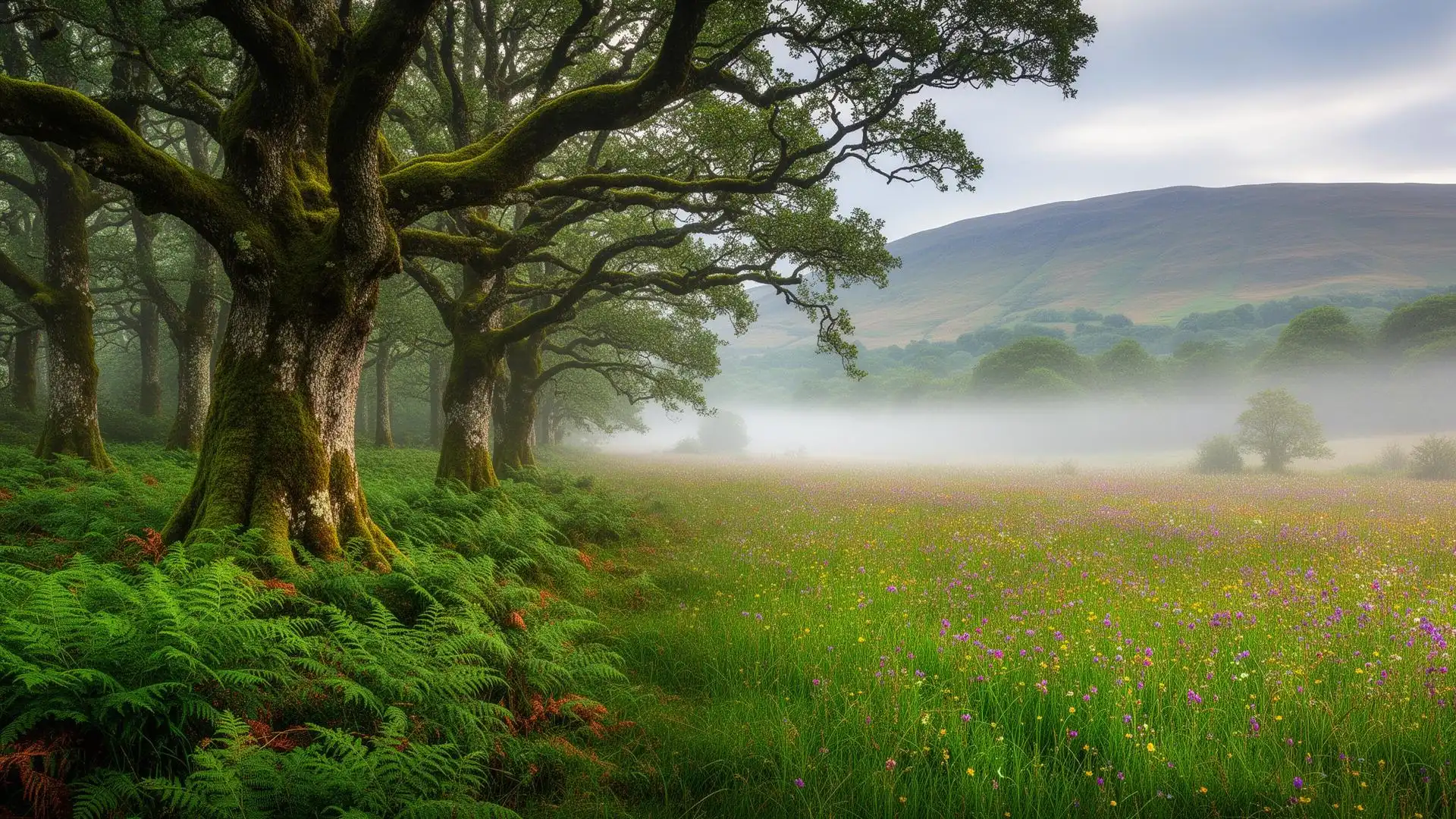
Habitat Types
From ancient rainforests to flower-rich meadows, explore the habitats that rewilding seeks to restore across Britain.
Britain's Lost Landscapes
The UK has lost 97% of its wildflower meadows, most of its wetlands, and the majority of its native woodland since 1930. Rewilding projects are working to restore these vital habitats, bringing back the rich tapestry of life that once covered these islands.
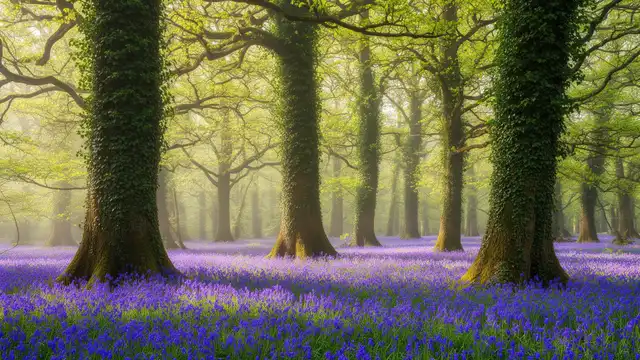
Ancient Woodland
Irreplaceable ecosystems covering just 2.5% of the UK. Centuries-old soil communities, bluebells, and veteran trees that cannot be recreated.
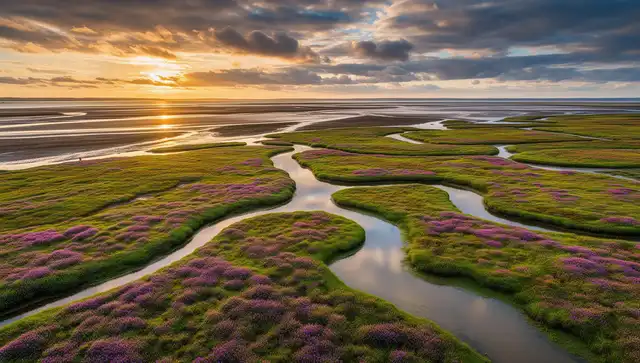
Coastal & Salt Marshes
Blue carbon powerhouses capturing 40x more carbon than rainforests. Vital for flood defence, fisheries, and wading birds.
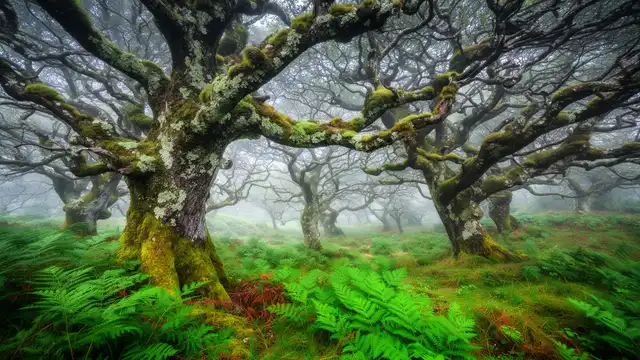
Celtic Rainforest
Britain's rarest habitat: ancient Atlantic oakwoods draped in mosses, lichens, and ferns. Found along the wet western coasts.
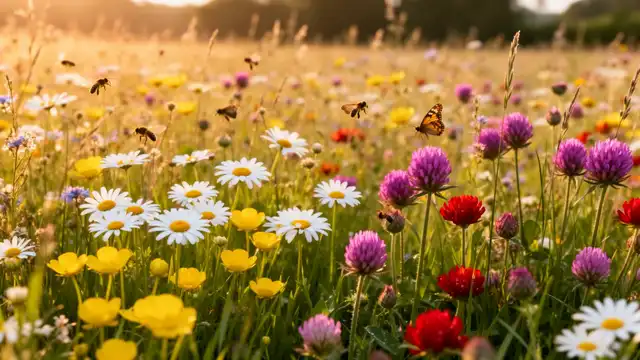
Wildflower Meadows
Species-rich grasslands that once covered Britain, now reduced to just 3% of their former extent. A haven for pollinators.
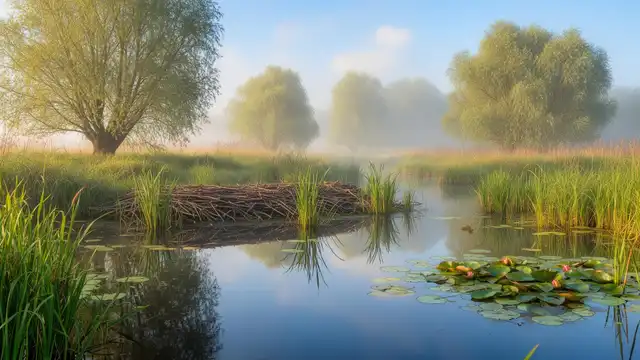
Wetlands & Rivers
From beaver wetlands to restored floodplains, water habitats are crucial for wildlife, flood prevention, and carbon storage.
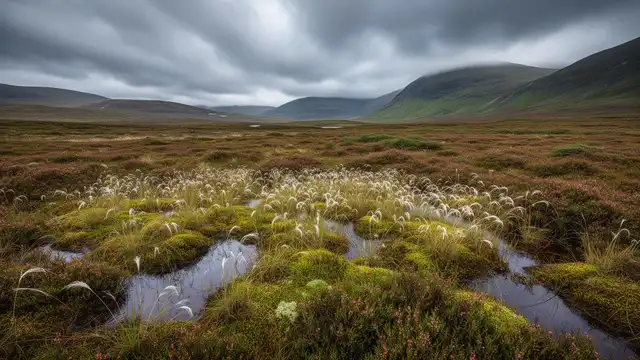
Peatland Restoration
The UK's largest carbon store. Restoring degraded peatlands locks up carbon and creates unique habitats for specialist species.
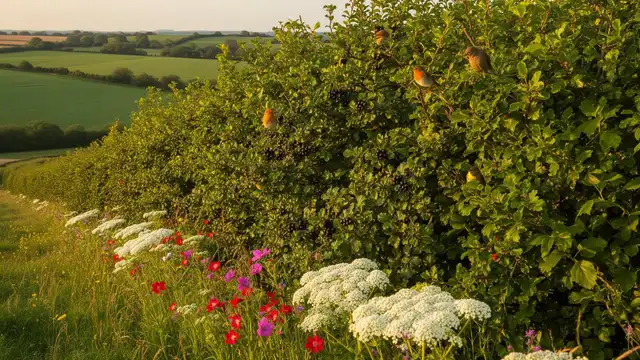
Hedgerow Restoration
Britain's living field boundaries support 2,000+ species. Grants now fund farmers to plant and restore these vital wildlife corridors.
Habitat Loss in Numbers
97%
Wildflower meadows lost since 1930s
80%
Lowland heathland disappeared
1%
Celtic rainforest remaining in Wales
90%
Wetlands drained in England
Explore UK Rewilding Projects
See how projects across Britain are restoring these vital habitats in our regional guides.