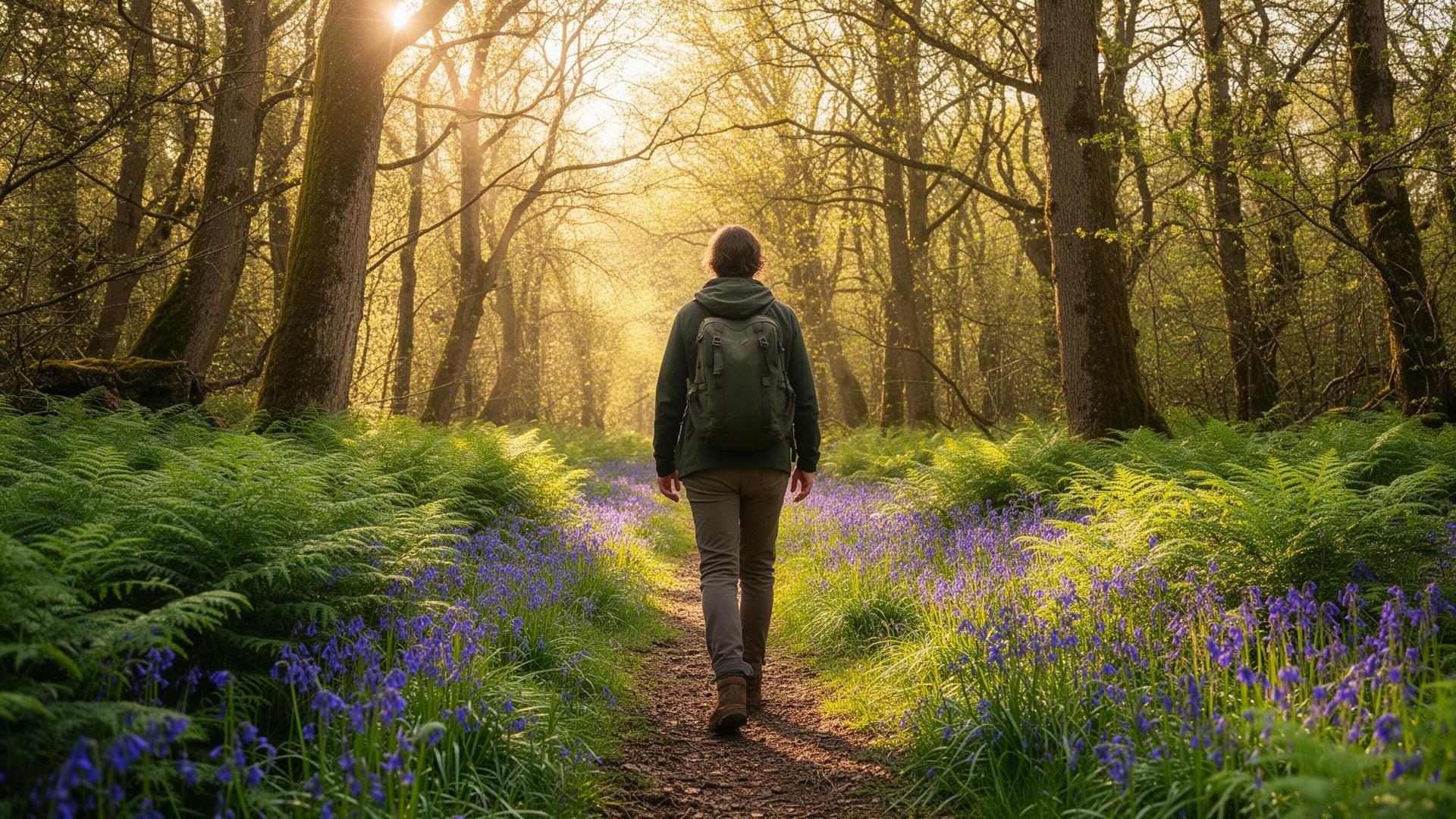
The term "rewilding" has exploded into mainstream consciousness, but what does it actually mean? At its heart, rewilding is about stepping back, allowing nature to heal itself by restoring the natural processes that have been lost through centuries of human intervention. It's a hopeful vision for a wilder Britain.
We're Tom and Chloe, and we've been passionate about rewilding for years, putting those ideas into practice at The Grange Project in Monmouthshire since 2023. This guide shares everything we've learned about what rewilding is, why it matters, and how you can get involved, whether you have a window box or a thousand acres.
What is Rewilding?
Rewilding is large-scale conservation aimed at restoring and protecting natural processes and wilderness areas. Unlike traditional conservation, which often tries to preserve nature in a particular state, rewilding lets nature take the lead.
The concept emerged in the 1990s when conservation biologists realised that simply protecting patches of habitat wasn't enough. To truly restore ecosystems, we needed to think bigger, reconnecting fragmented landscapes, reintroducing missing species, and allowing natural processes like grazing, flooding, and predation to resume.
"Rewilding is the mass restoration of ecosystems. It's about letting nature lead and stepping back from management. It's about restoring natural processes."
In practice, rewilding might look like:
- Removing fences to allow animals to roam freely
- Reintroducing species like beavers, bison, or native cattle
- Stopping mowing, ploughing, or draining land
- Planting native trees and hedgerows
- Restoring rivers to their natural courses
- Allowing natural flooding in floodplains
The 3 C's of Rewilding
Rewilding is often described using the "3 C's" framework, developed by conservation biologists Michael Soulé and Reed Noss:
Cores
Large, protected wilderness areas that serve as strongholds for wildlife. In the UK, this might be national parks, nature reserves, or large private estates undergoing rewilding.
Corridors
Wildlife highways connecting core areas, allowing species to move, find mates, and maintain genetic diversity. Hedgerows, river corridors, and green bridges are all corridors.
Carnivores
More broadly, keystone species that shape ecosystems. This includes apex predators (lynx, wolves) and ecosystem engineers (beavers, bison) that create cascading benefits.
While the original framework emphasised large carnivores, in the UK context we often focus on ecosystem engineers like beavers and large herbivores like cattle, ponies, and pigs that can recreate the grazing patterns of extinct megafauna.
Rewilding vs Conservation: What's the Difference?
Traditional conservation and rewilding share the same goal, protecting nature, but take different approaches:
| Aspect | Traditional Conservation | Rewilding |
|---|---|---|
| Goal | Preserve current state | Restore natural processes |
| Management | Active, ongoing intervention | Minimal, letting nature lead |
| Species focus | Protect what's there | Reintroduce what's missing |
| Scale | Often small reserves | Landscape-scale thinking |
| Outcome | Predictable, managed | Dynamic, self-willed |
Neither approach is "better"; they complement each other. Some rare habitats like chalk grassland require traditional management to survive. But rewilding offers a vision for restoring nature on a scale that intensive conservation simply cannot achieve.
Benefits of Rewilding
Rewilding isn't just good for wildlife; it benefits people and planet in profound ways:
For Nature
- Biodiversity recovery: Rewilded sites see dramatic increases in species richness
- Habitat creation: Natural processes create diverse, complex ecosystems
- Species reintroduction: Lost species can return to restored landscapes
- Ecosystem resilience: Self-regulating systems are more resistant to change
For Climate
- Carbon sequestration: Restored forests, peatlands, and wetlands store carbon
- Flood mitigation: Natural floodplains and beaver dams slow water flow
- Climate adaptation: Healthy ecosystems buffer extreme weather
For Communities
- Nature-based tourism: Wildlife watching, walking, and eco-tourism create jobs
- Health and wellbeing: Access to wild nature improves mental and physical health
- Sustainable livelihoods: New income from ecosystem services and products
- Education: Opportunities for learning about ecology and conservation
How to Get Started with Rewilding
You don't need to own a thousand-acre estate to participate in rewilding. Here's how to join the movement at any scale:
In Your Garden
Even a small patch can make a difference. Let a corner grow wild, create a mini pond, install a bug hotel, plant native species, and avoid pesticides. Read our full garden rewilding guide for detailed steps.
In Your Community
- Join or start a local wildlife group
- Volunteer with rewilding organisations
- Advocate for wildlife corridors and nature recovery in local planning
- Support "No Mow May" and other community initiatives
On Your Land
If you own or manage land, explore funding through the Sustainable Farming Incentive (SFI), Countryside Stewardship, or the new Environmental Land Management schemes. Organisations like Rewilding Britain offer advice and support.
Through Your Wallet
- Support rewilding charities and projects
- Choose products from rewilding farms
- Visit and stay at rewilding sites
- Invest in nature-based solutions
Visit The Grange
Experience rewilding first-hand at The Grange Project in Monmouthshire. Stay in our off-grid cabin, join our events and workshops, or tune into the Wilder Podcast for conversations with rewilding practitioners from across Britain and beyond.
Ready to Go Wilder?
Explore our rewilding guides, discover UK projects, or visit us in Monmouthshire.
Further Resources
Watch
What is Rewilding? | Rewilding Europe
A clear explanation of rewilding principles and why it matters.
Knepp Rewilded - A Short Film
A beautiful short film showcasing the Knepp Estate rewilding transformation.
Frequently Asked Questions
Is rewilding a good idea in the UK?
Yes, rewilding offers significant benefits for the UK including biodiversity recovery, carbon sequestration, flood mitigation, and creating new nature-based economies. The UK is one of the most nature-depleted countries in the world, making rewilding particularly important. Successful projects like Knepp Estate demonstrate that rewilding can work alongside farming and benefit rural communities.
What are the 3 C's of rewilding?
The 3 C's of rewilding are Cores, Corridors, and Carnivores. Cores are large protected wilderness areas. Corridors are wildlife pathways connecting these core areas, allowing species to move and populations to remain genetically healthy. Carnivores (or keystone species) are the apex predators and ecosystem engineers that regulate ecosystems from the top down.
What is the difference between rewilding and conservation?
Conservation typically aims to preserve ecosystems in a fixed state, often requiring ongoing human management. Rewilding takes a hands-off approach, restoring natural processes and allowing nature to manage itself. While conservation might maintain a meadow through regular mowing, rewilding would reintroduce grazing animals to naturally create diverse habitats.
Can I rewild my own garden?
Absolutely! Even small gardens can contribute to rewilding. Let a section grow wild, create a mini pond, leave log piles for insects, plant native species, and avoid pesticides. Every rewilded garden becomes a stepping stone for wildlife moving through urban and suburban areas. See our guide on garden rewilding for detailed steps.
Does rewilding affect house prices?
Research suggests properties near rewilding projects often see increased values due to improved amenity, reduced flood risk, and the appeal of natural landscapes. The Knepp Estate area has seen property premiums for homes near the rewilded land. However, outcomes vary by location and project type.
Continue Reading
Stay Updated on Rewilding
Join our newsletter for the latest rewilding news, guides, and updates from The Grange Project.