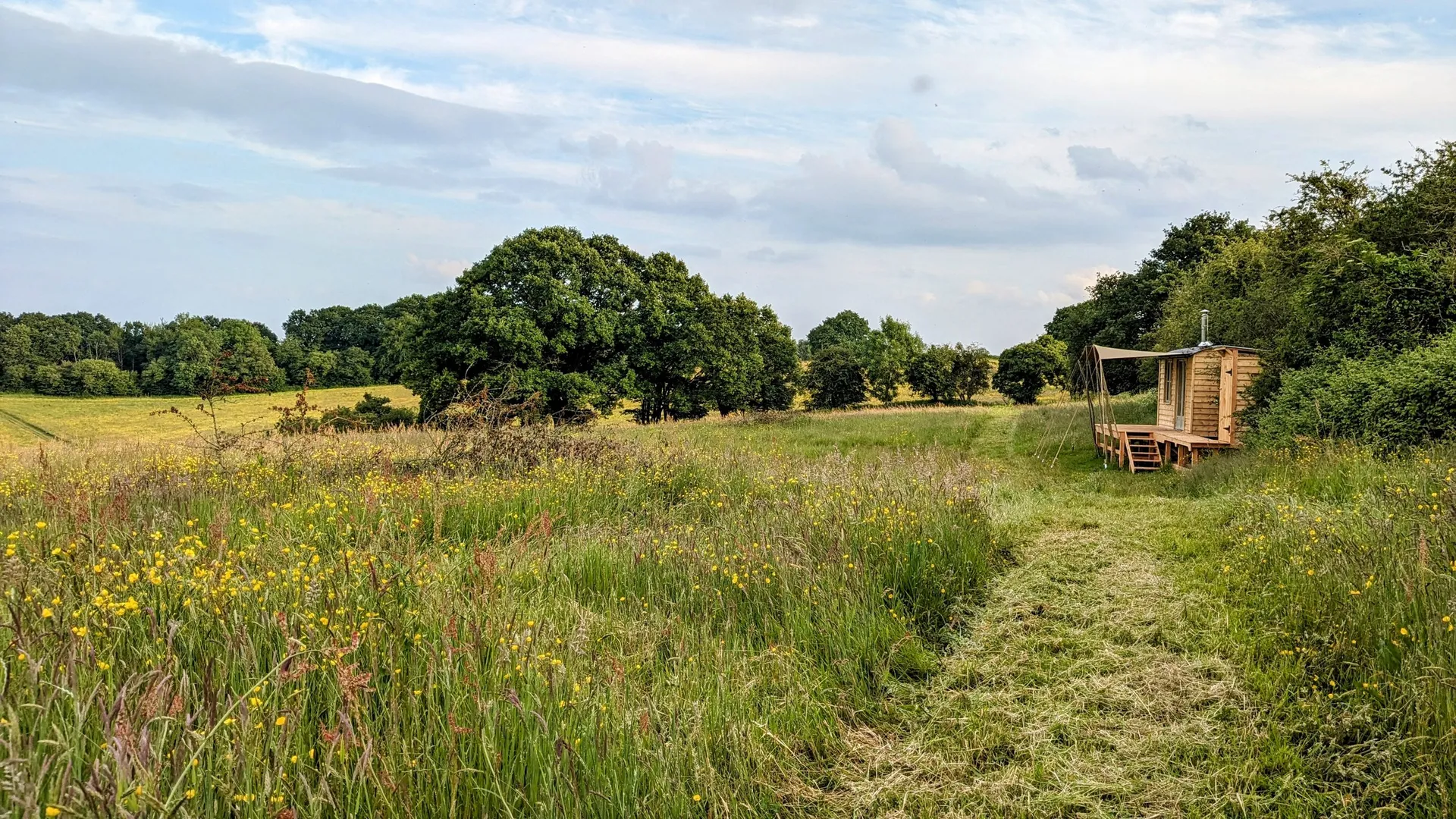
Rewilding holidays offer something no ordinary break can: the chance to witness nature healing before your eyes. From beaver-engineered wetlands to bison-grazed woodlands, these projects across Britain invite you to become part of the conservation story.
What Makes a Rewilding Holiday Different?
Unlike traditional countryside breaks, a rewilding holiday places you at the heart of active nature restoration. You are not simply visiting a pretty landscape; you are staying on land where natural processes are resuming after decades or centuries of intensive farming.
These are places where beavers are building dams, wild ponies are grazing meadows back to health, and native woodlands are springing up from agricultural fields. The accommodation ranges from off-grid cabins to glamping tents, but the common thread is immersion in recovering ecosystems.
For many guests, the transformation is the attraction. Return year after year and you will see wetlands expanding, new species arriving, and the landscape becoming wilder with each visit.
🏆 Featured: Grange Project, Wales
Our 80-acre rewilding project in Monmouthshire offers two handcrafted off-grid tiny homes with stunning views across the Welsh countryside. Stay, slow down, and reconnect with wilder nature.
What You'll Experience
- • King-sized bed with soft linen sheets
- • Log burner for cosy evenings
- • Free-roaming pigs and cattle
- • Ancient woodland walks
- • Dark skies for stargazing
- • 10 min walk to the Grange Hub facilities
Practical Details
- • Season: April to October
- • Sleeps 2 per cabin
- • Minimum 2-night stay
- • £100 to £130 per night
- • 15 mins from Monmouth
- • No dogs (free-roaming livestock)
Check Availability
Sun £100 · Mon to Thu £110 · Fri & Sat £130
per cabin per night · sleeps 2 · no cleaning fee
2-night minimum, so from £210
Knepp Estate
Sussex, England
The flagship of British rewilding, Knepp Estate has transformed former farmland into a thriving wilderness since 2001. Owners Charlie Burrell and Isabella Tree pioneered "process-led" conservation, letting natural dynamics take the lead.
Wildlife Highlights
Breeding white storks (first in Britain for 600 years), turtle doves, nightingales, purple emperor butterflies, free-roaming longhorn cattle and Exmoor ponies.
Accommodation
Glamping in shepherd's huts and safari tents, plus wildlife safaris led by expert guides. Book months in advance.
Wild Ken Hill
Norfolk, England
Wild Ken Hill demonstrates how rewilding and regenerative farming can work side by side. Featured on BBC's Springwatch, this north Norfolk coast estate creates a mosaic of habitats alongside productive farming.
Wildlife Highlights
Marsh harriers, barn owls, recovering populations of water voles and harvest mice. Seal colonies and migrating birds on the nearby coast.
Accommodation
Beautifully restored cottages on the estate with access to walking trails through rewilding areas.
Alladale Wilderness Reserve
Scottish Highlands
One of Britain's most remote wilderness experiences. Owner Paul Lister has planted over a million native trees and reintroduced wild boar and Highland cattle to this dramatic mountain landscape.
Wildlife Highlights
Caledonian pine forest, red deer, golden eagles, and wild boar. Famous for its proposal to reintroduce wolves.
Accommodation
Victorian lodge and self-catering cottages surrounded by restored wilderness. Rewilding at its most dramatic scale.
Wilder Blean
Kent, England
Wilder Blean made history in 2022 when European bison were released into English woodlands for the first time in thousands of years. This Kent Wildlife Trust project uses bison as ecosystem engineers to naturally manage ancient woodland.
Wildlife Highlights
European bison browsing, bark-stripping, and dust-bathing, creating habitat for countless species in ancient woodland.
Experiences
Guided walks and bison-spotting experiences available. No overnight stays, but worth a day trip from Kent or London.
How to Choose Your Rewilding Holiday
Each rewilding project offers a distinct experience. Consider these factors when planning:
🦫 Wildlife Priorities
Want beavers? Head to Devon or Scotland. Keen on bison? Visit Kent. Seeking storks? Knepp is your destination.
🏠 Comfort Level
From truly off-grid cabins (the Grange Project) to comfortable cottages (Wild Ken Hill), accommodation varies widely.
🎯 Activities
Some projects offer guided safaris and workshops; others provide space for self-guided exploration.
📍 Accessibility
Consider travel distances. Welsh and Scottish projects may require longer journeys but offer more remote experiences.
🌸 Season
Spring brings birdsong and wildflowers; autumn offers deer rutting and fungi forays. Each season has its highlights.
💚 Conservation Impact
Your stay directly supports conservation. Many rewilding projects rely on tourism income to fund ongoing restoration.
Ready to Book Your Rewilding Holiday?
Experience nature recovery first-hand at The Grange Project. Our off-grid cabins offer the perfect base for exploring wilder Wales.
Check AvailabilityFurther Resources
Watch
Rewilding at Knepp Estate: A Story of Biodiversity Hope
Isabella Tree and ecologist Matt Phelps share how Knepp became a biodiversity haven.
The Remarkable Nature Comeback of Wild Ken Hill
Explore how Wild Ken Hill recovered from fire to become a thriving mosaic of rewilding and farming.
Listen
Learn More
Knepp Safaris & Stays
Knepp EstateBook glamping and wildlife safaris at this pioneering Sussex rewilding project.
Wild Ken Hill Holidays
Wild Ken HillSelf-catering cottages on a rewilding and regenerative farm in Norfolk.
Rewilding Britain
Rewilding BritainFind more rewilding projects and news across the UK.
Frequently Asked Questions
What is a rewilding holiday?
A rewilding holiday is a nature-focused getaway where you stay on or near land being actively restored to a wilder state. Unlike traditional eco-tourism, you become part of an ongoing conservation story, witnessing wildlife returning, habitats regenerating, and natural processes resuming. Expect off-grid accommodation, wildlife encounters, and deep immersion in recovering landscapes.
Can I see wildlife on a rewilding holiday?
Yes! Rewilding projects create ideal conditions for wildlife watching. Depending on the project, you might see beavers, deer, wild ponies, rare birds, and diverse insects and wildflowers. Grange Project in Wales offers encounters with free-roaming pigs, cattle, and visiting barn owls, while Knepp Estate in Sussex has turtle doves, nightingales, and white storks.
Are rewilding stays suitable for families?
Many rewilding stays welcome families and offer child-friendly experiences. Children love the adventure of off-grid living, wildlife spotting, and exploring wild landscapes. Some projects offer specific family activities like pond dipping, den building, and nature trails. Check individual project policies for age recommendations.
What should I pack for a rewilding holiday?
Essential items include waterproof boots (wellies are ideal), layers for changeable weather, binoculars for wildlife watching, a torch for off-grid stays, and outdoor clothing you do not mind getting muddy. Most rewilding accommodation provides bedding and basic cooking facilities, but check what is included before you travel.
How do rewilding holidays differ from eco-holidays?
While eco-holidays focus on minimising environmental impact, rewilding holidays go further by actively contributing to nature recovery. You stay on land where natural processes are being restored, rather than simply staying somewhere with solar panels and recycling. The landscape itself is the attraction, and it changes year on year as rewilding progresses.
Continue Reading
Stay Updated on Rewilding
Join our newsletter for the latest rewilding news, guides, and updates from The Grange Project.