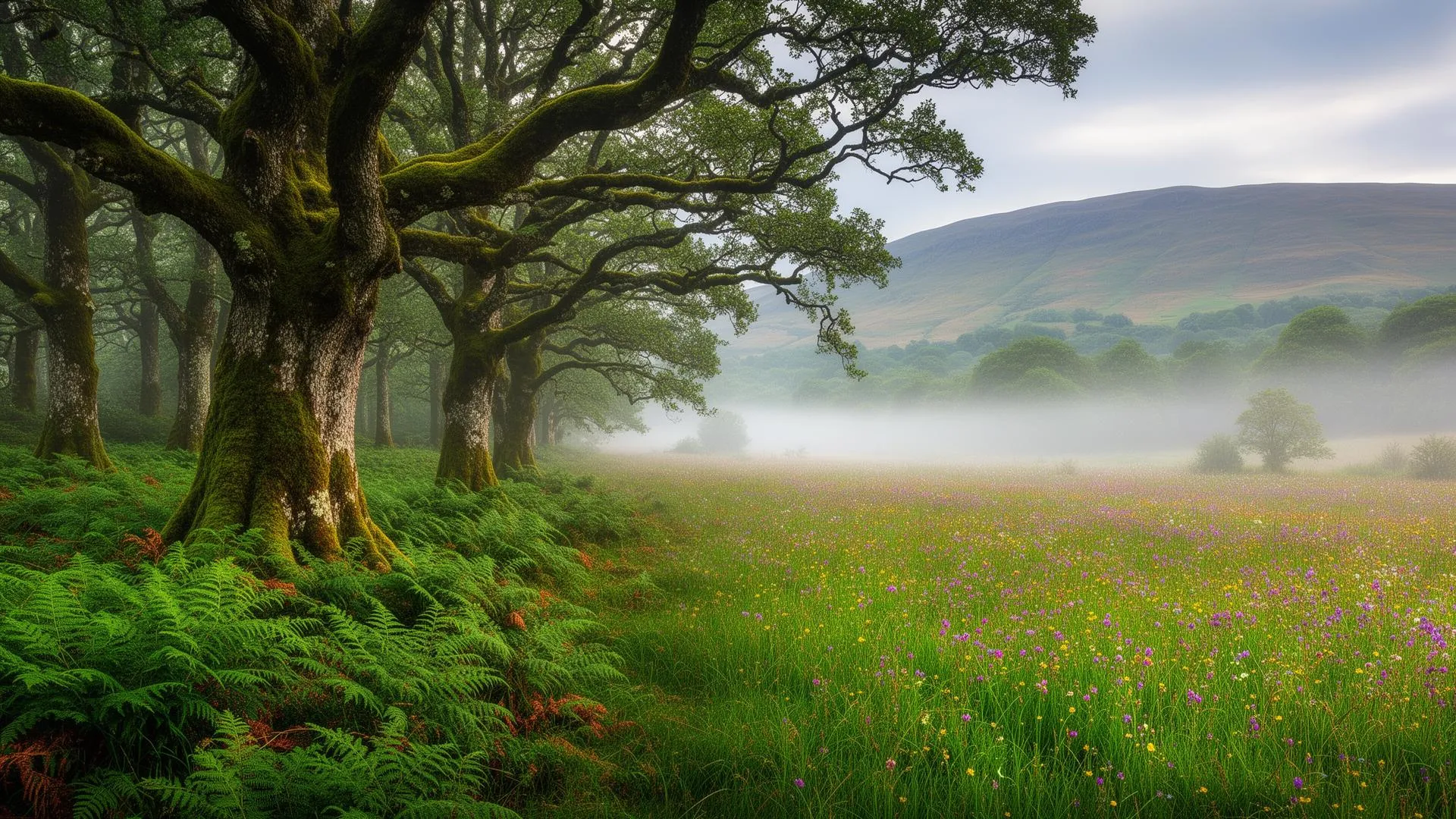
Two Philosophies, One Goal
Both rewilding and conservation share the same ultimate goal: restoring and protecting nature. But they approach this goal in fundamentally different ways, and the distinction matters for anyone interested in supporting nature recovery in the UK.
This isn't a battle between good and bad approaches. It's a nuanced discussion about how best to help nature thrive in a crowded island nation with limited wild spaces. Understanding both philosophies helps you make informed choices about which projects to support, or how to manage your own land.
Increasingly, the most effective nature restoration combines elements of both. The real question isn't "rewilding OR conservation" but rather "which approach works best where, and how can they complement each other?"
What is Conservation?
Traditional conservation in Britain has roots stretching back over a century. The National Trust (founded 1895), RSPB (1889), and county Wildlife Trusts have protected and managed land to preserve specific habitats and species.
Core Conservation Principles
- Active management: Regular intervention to maintain habitats (mowing meadows, clearing scrub, coppicing woodland, managing water levels)
- Species protection: Focus on maintaining populations of target species, often rare or declining ones
- Habitat preservation: Keeping habitats in a specific state that supports biodiversity, often a semi-natural state created by historical land use
- Reserve-based: Traditionally focused on protecting specific sites (nature reserves, SSSIs, National Parks)
Conservation has achieved remarkable successes. Red kites, once reduced to a handful of pairs in Wales, now number in the thousands of breeding pairs thanks to protection and reintroduction programmes. The Bittern, down to just 11 booming males at its lowest in 1997, has recovered to over 280 booming males through careful reedbed management.
However, conservation faces challenges. It's labour-intensive and expensive. It tends to protect isolated fragments rather than connected landscapes. And despite decades of effort, UK wildlife continues to decline: species have declined by an average of 19% since 1970, with one in six now at risk of extinction.
What is Rewilding?
Rewilding emerged as a distinct philosophy in the 1990s, gaining momentum in the UK over the past two decades. It proposes a fundamentally different relationship between humans and nature: one where we step back and let natural processes drive ecosystem recovery.
Core Rewilding Principles
- Natural processes: Letting grazing, predation, and decomposition shape the landscape without human direction
- Minimal intervention: Reducing or eliminating active management once natural processes are functioning
- Species reintroduction: Bringing back missing species (beavers, bison, potentially lynx or wolves) to restore ecological functions
- Landscape-scale: Working at scales large enough for natural processes to function, typically thousands of hectares rather than small reserves
- Open-ended outcomes: Not targeting a specific "ideal" state, but allowing nature to find its own dynamic balance
The Knepp Estate in Sussex is perhaps the UK's most famous rewilding project. Since 2001, 3,500 acres of former arable farmland have been allowed to revert to a mosaic of scrub, grassland, and woodland grazed by free-roaming cattle, ponies, pigs, and deer. The results have been remarkable: turtle doves, nightingales, and purple emperor butterflies have returned, species that had been declining despite conservation efforts elsewhere.
Key Differences
| Aspect | Conservation | Rewilding |
|---|---|---|
| Human role | Active manager | Facilitator, then observer |
| Intervention level | Continuous | Initially high, then minimal |
| Target state | Specific habitat type | Dynamic, open-ended |
| Scale | Often small reserves | Landscape-scale preferred |
| Species focus | Rare/declining species | Ecosystem engineers, keystone species |
| Reference point | Recent historical state | Pre-human or early human influence |
| Cost structure | Ongoing management costs | High initial, lower ongoing |
These differences aren't always clear-cut in practice. Many conservation projects now incorporate "wilder" elements, while rewilding projects often require ongoing management (maintaining fencing, managing herbivore numbers, preventing invasive species).
Where They Agree
Despite philosophical differences, rewilding and conservation share fundamental common ground:
- Nature is in crisis: Both acknowledge the UK's catastrophic wildlife decline and the urgency of action
- More space for nature: Both advocate for dedicating more land to wildlife
- Connectivity matters: Both support wildlife corridors and reducing habitat fragmentation
- Native species: Both prioritise native over non-native species
- Reduced chemical inputs: Both oppose intensive agricultural practices
- Public engagement: Both believe connecting people with nature is essential for long-term success
Many conservationists have welcomed rewilding as an ally in the fight for nature, while many rewilding advocates acknowledge the irreplaceable value of traditional conservation for certain species and habitats.
The Debate
Despite this common ground, genuine tensions exist. Questions include: how should limited conservation funding be spent? What happens to species that depend on managed habitats? Is rewilding a retreat from the hard work of species protection?
Case for Conservation
Conservative Concerns About Rewilding
Managed Habitats at Risk
Some of Britain's rarest habitats exist because of human management. Lowland heathland, coppiced woodland, hay meadows, and chalk grassland support unique species assemblages that developed over centuries of traditional land use. Abandoning management could cause these species to disappear.
The Duke of Burgundy butterfly, for example, depends on scrubby grassland maintained by grazing or cutting. Without management, succession to woodland would eliminate its habitat.
Rewilding May Not Deliver
Critics argue that rewilding's hands-off approach may not reliably produce biodiverse outcomes. Left alone, many sites develop into dense scrub or secondary woodland dominated by common species, with less diversity than managed habitats.
Funding Competition
Conservation funding is limited. Some conservationists worry that rewilding's media appeal diverts money from unglamorous but essential work: monitoring endangered species, maintaining reserves, and protecting remaining fragments of ancient habitat.
Scale Challenges
Rewilding works best at landscape scale, but most UK conservation operates on small reserves. Critics ask: is rewilding even possible in a fragmented, densely populated island? Or is it a romantic ideal that distracts from the practical work of protecting what we have?
Case for Rewilding
Rewilding Responses
Conservation Hasn't Halted Decline
Despite decades of conservation effort, UK wildlife continues to decline. The State of Nature 2023 report found 16% of UK species are threatened with extinction. Rewilding advocates argue that traditional approaches, while valuable, aren't sufficient on their own.
Natural Processes Create Diversity
Rewilding projects like Knepp have demonstrated that natural processes can generate remarkable biodiversity. The messiness of naturally-grazed landscapes (bare ground, dead wood, scrub mosaics) creates niches for species that struggle in tidily managed reserves.
Sustainability
Active management is expensive and dependent on ongoing funding. Rewilding, once established, is largely self-sustaining. Natural processes don't require salaries.
Climate Resilience
Managing for a specific "ideal" habitat becomes problematic as climate changes. Rewilded landscapes, with their open-ended approach, may be more resilient, able to shift and adapt as conditions change.
Both Are Needed
Most rewilding advocates don't propose abandoning managed habitats. They argue for a "both/and" approach: continue managing heritage habitats while rewilding degraded or marginal land. Britain has room for both.
Wilder Conservation: The Middle Ground
Increasingly, the most innovative conservation organisations are finding ways to blend both approaches. "Wilder conservation" or "naturalistic conservation" uses natural processes where possible while maintaining active management where needed.
Examples of Blended Approaches
- Conservation grazing with native breeds: Using hardy cattle, ponies, or pigs instead of machines to manage habitat, mimicking the role of wild herbivores
- Beaver reintroductions: Allowing beavers to create and manage wetland habitat naturally, replacing expensive human-made water management
- Natural regeneration: Letting trees seed naturally rather than planting, which is slower but cheaper and often more biodiverse
- Targeted management within rewilded landscapes: Managing specific patches for rare species while allowing wider natural processes
The Wildlife Trusts, traditionally a conservation organisation, now includes rewilding in its strategy. The RSPB increasingly uses naturalistic approaches on its reserves. Meanwhile, rewilding projects often maintain some active management for species that need it.
UK Examples: Conservation, Rewilding, and Both
Traditional Conservation
RSPB Minsmere, Suffolk
Intensively managed reserve with controlled water levels, scrape clearance, and vegetation management. Home to bitterns, avocets, and marsh harriers. A showcase of what careful management can achieve, though it requires constant intervention.
Rewilding
Knepp Estate, Sussex
3,500 acres of former farmland where natural processes drive the ecosystem. Free-roaming herbivores create a mosaic landscape. Minimal intervention beyond boundary management and animal welfare.
Wilder Conservation
Wild Ennerdale, Lake District
Partnership between Forestry England, National Trust, United Utilities, and Natural England. Now the Lake District's largest National Nature Reserve, combining natural regeneration with reduced sheep grazing. Allowing natural processes while maintaining some management.
Wilder Conservation
Cambrian Wildwood, Wales
An ambitious project to create a large connected wild area in the Cambrian Mountains. Using natural regeneration and conservation grazing with native breeds. A landscape-scale approach that blends rewilding principles with active restoration.
Conclusion: Complementary, Not Competing
The rewilding vs conservation debate is real, but increasingly academic. On the ground, practitioners are finding ways to combine both approaches based on what works for specific landscapes and species.
A nuanced view recognises that:
- Conservation remains essential for species dependent on managed habitats and for protecting irreplaceable ancient sites
- Rewilding offers a cost-effective, scalable approach for restoring degraded land and letting nature lead recovery
- Wilder conservation can harness natural processes while maintaining management where needed
- Context matters: the right approach depends on location, history, species present, and resources available
Britain needs both. We need to protect our remaining fragments of ancient woodland and chalk grassland through careful management. And we need to restore vast areas of depleted farmland through rewilding. The debate shouldn't be about choosing sides. It should be about deploying both approaches where they work best.
For anyone considering how to help nature on their land, the good news is that you don't have to choose. You can manage a wildflower meadow while letting a corner rewild. You can plant hedgerows while allowing natural regeneration in a field margin. The best approach is often "both/and" rather than "either/or."
Experience Rewilding For Yourself
Visit the Grange Project to see how a small Welsh farm is exploring the principles of rewilding on an accessible scale. Compare this with a number of local conservation sites, including ancient woodland and wildflower meadows.
Further Resources
Watch
Conservation under rapid climatic changes: the case for rewilding
Dr Nathalie Pettorelli from ZSL explores the pros and cons of rewilding as a conservation strategy
The story of Knepp: A rewilding success | Natural History Museum
How Knepp Estate transformed from intensive farmland to thriving wildlife habitat through rewilding
Learn More
Rewilding Britain
Rewilding BritainLeading UK rewilding charity advocating for large-scale nature restoration
Wildlife Trusts
Wildlife TrustsUK's largest conservation organisation managing nature reserves nationwide
RSPB Conservation Strategy
RSPBTraditional conservation body increasingly embracing wilder approaches
Frequently Asked Questions
What is the main difference between rewilding and conservation?
Conservation typically focuses on preserving existing habitats and species through active management: mowing, grazing schedules, and species protection. Rewilding takes a more hands-off approach, allowing natural processes like flooding, grazing by wild herbivores, and predator-prey dynamics to shape the landscape with minimal human intervention.
Is rewilding better than traditional conservation?
Neither is universally 'better' as they serve different purposes. Conservation is essential for protecting rare species that depend on specific managed habitats (like hay meadows or heathland). Rewilding is better suited to restoring large-scale ecological processes. Many conservation organisations now use both approaches together.
Can rewilding and conservation work together?
Yes, and increasingly they do. Many projects use 'wilder conservation' approaches that blend active management with natural processes. For example, using wild ponies for conservation grazing instead of machines, or allowing beaver-created wetlands to replace artificial water management.
Do conservationists support rewilding?
Opinion varies. Some conservationists enthusiastically embrace rewilding as the next evolution of their work. Others worry it could neglect species that need active management or lead to funding being diverted from traditional reserves. The debate is ongoing within conservation organisations.
What happens to managed habitats if we switch to rewilding?
This is a legitimate concern. Some rare habitats like coppiced woodland, hay meadows, and lowland heathland exist because of centuries of human management. Abandoning them could cause species losses. Most rewilding advocates argue these should continue to be managed while rewilding focuses on degraded land.
Continue Reading
Stay Updated on Rewilding
Join our newsletter for the latest rewilding news, guides, and updates from The Grange Project.