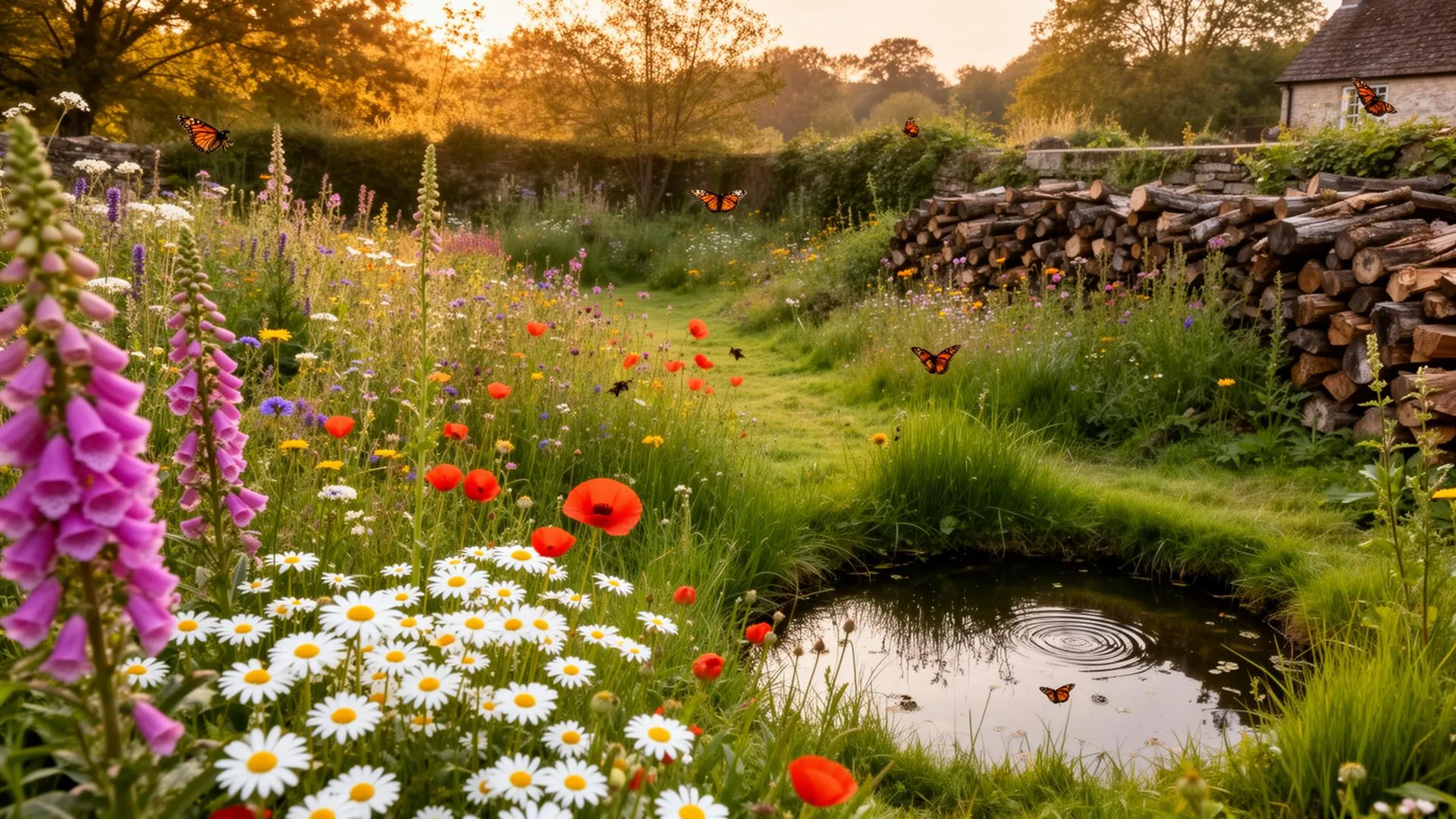
You don't need acres of land to make a difference for wildlife. Your garden, whether it's a sprawling plot or a tiny courtyard, can become a vital stepping stone for nature in an increasingly fragmented landscape. Here's how to transform your outdoor space into a thriving wildlife haven.
At the Grange Project, we've learned that rewilding isn't about abandoning your garden to chaos. It's about working with nature, making small changes that create big results, and enjoying the incredible diversity of life that arrives when you give nature a chance.
Why Rewild Your Garden?
Britain's gardens cover around 400,000 hectares, larger than all our nature reserves combined. This makes gardens incredibly important for wildlife, especially as wild habitats continue to shrink.
Gardens Matter Because:
- •They form corridors connecting fragmented wild spaces
- •They provide food and shelter in urban and suburban "deserts"
- •They support pollinators that our food system depends on
- •They offer opportunities for people to connect with nature
Studies show that wildlife-friendly gardens can support hundreds of species, from hedgehogs and slow worms to rare moths and hoverflies. Your patch, however small, is part of a national wildlife network.
10 Steps to Rewild Your Garden
1.Stop Mowing (Or Mow Less)
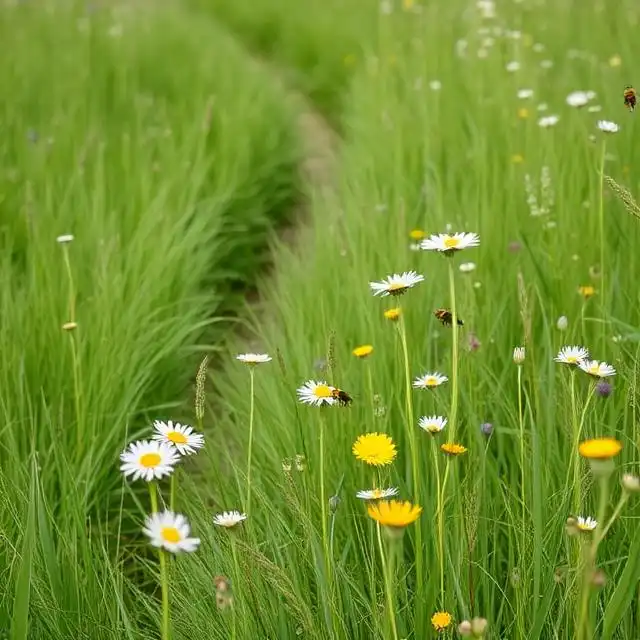
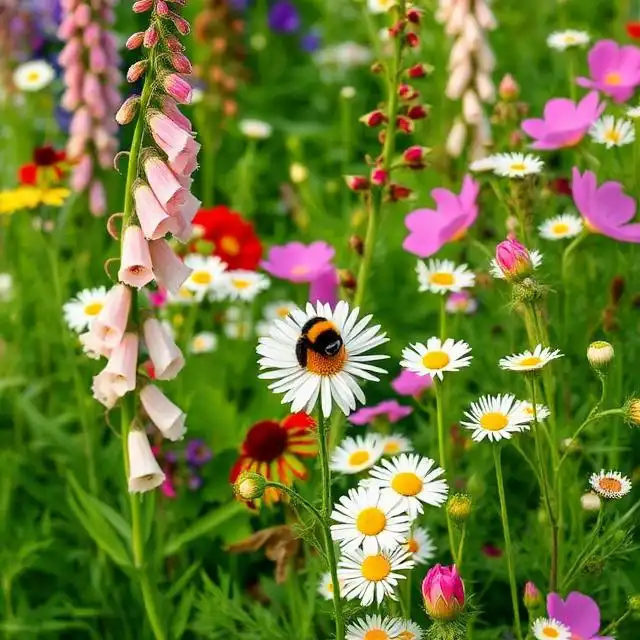
The simplest and most impactful change. Let grass grow in at least part of your garden. Wildflowers hidden in your lawn will bloom, providing nectar for pollinators. Start with No Mow May, then consider leaving areas long year-round.
2.Ditch the Chemicals
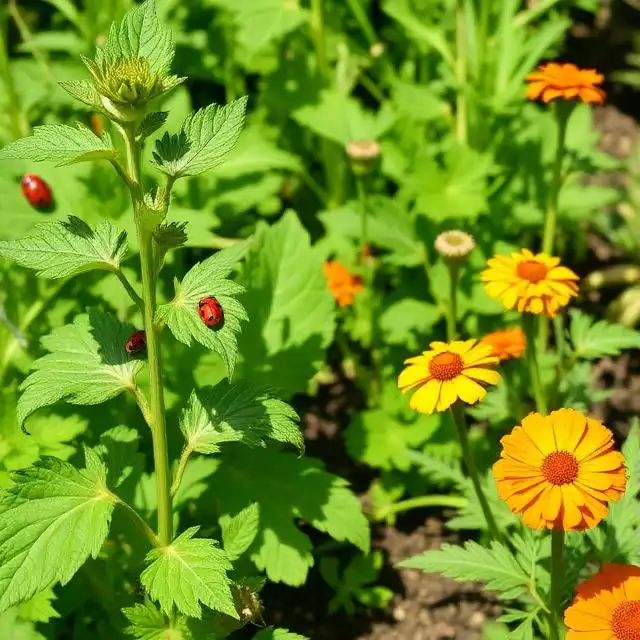
Stop using pesticides, herbicides, and synthetic fertilisers. These kill the invertebrates that everything else depends on. Accept some plant damage as it's a sign of a healthy ecosystem. Encourage natural predators instead.
3.Add Water
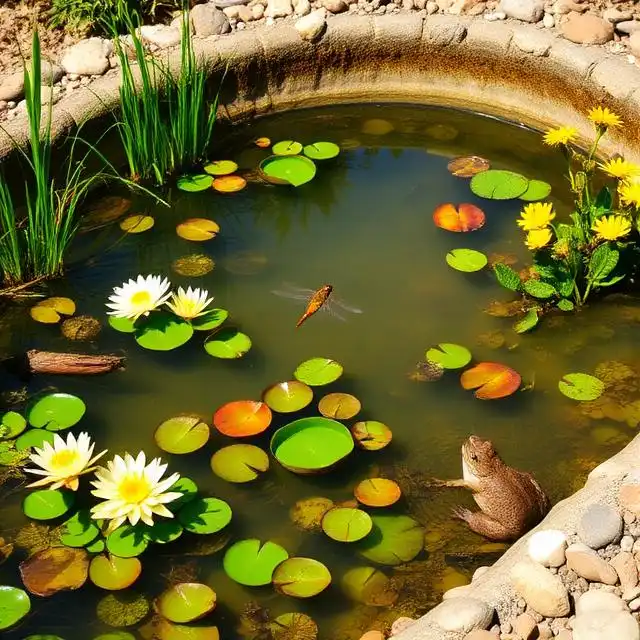
Even a washing-up bowl sunk into the ground creates a micro-wetland. Ponds are the single most effective way to boost garden biodiversity. Add native aquatic plants and watch frogs, newts, dragonflies, and birds appear within weeks.
4.Plant Native Species
Native plants support native insects. A native oak can host 2,300 species; a non-native tree might support a handful. Choose local wildflowers, native shrubs like hawthorn and dog rose, and native trees if you have space.
5.Create Deadwood Habitats
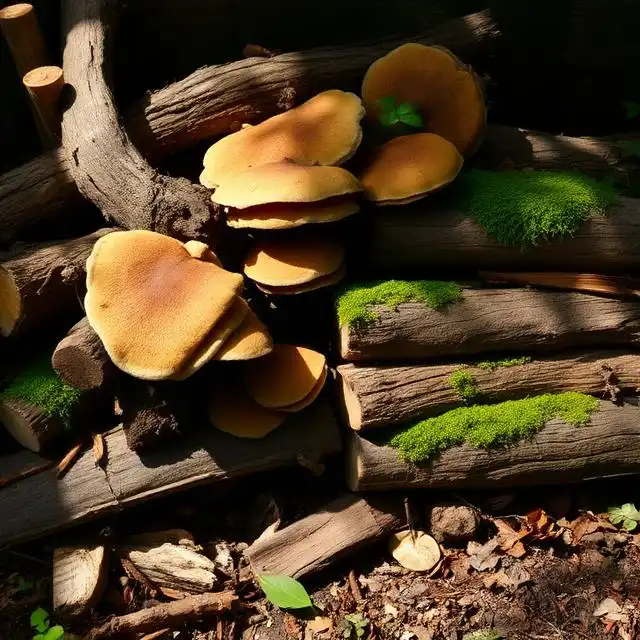
Leave logs, fallen branches, and tree stumps in place. Deadwood supports over 2,000 UK species including stag beetles, woodpeckers, and fungi. A log pile in a shady corner is one of the best wildlife features you can create.
6.Leave Leaf Litter
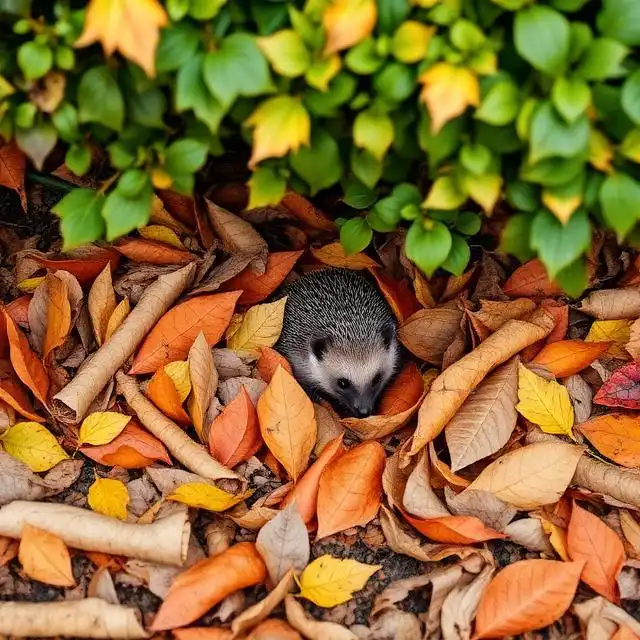
Don't rake up every fallen leaf. Leaf litter provides hibernation sites for hedgehogs, toads, and countless invertebrates. It also returns nutrients to the soil naturally. Leave piles under hedges and in corners.
7.Create Wild Edges
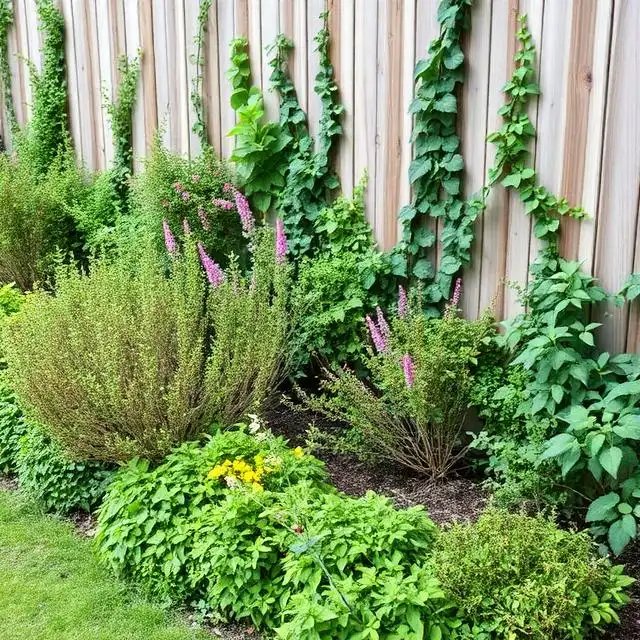
The boundaries between habitats, known as 'ecotones', are often the most diverse areas. Let edges of borders go wild, grow climbers up fences, and create layered vegetation from ground cover to shrubs to trees.
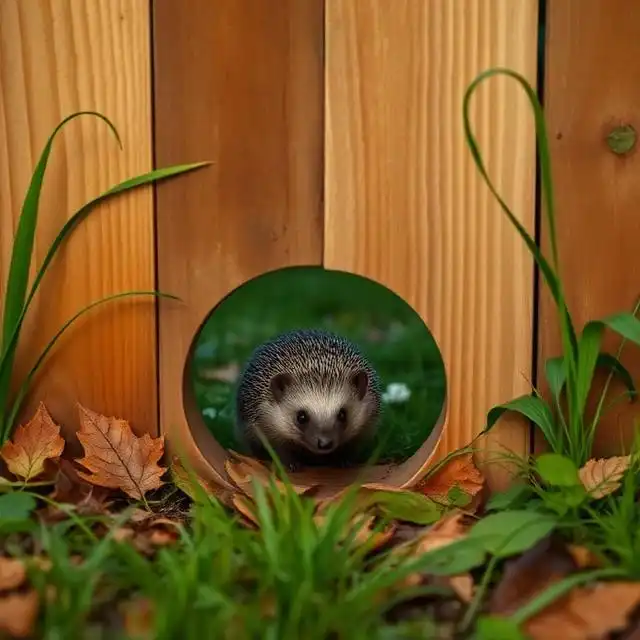
8.Make Hedgehog Highways
Cut 13cm holes in fences to allow hedgehogs to roam between gardens; they need to travel 1-2km each night to find food and mates. Coordinate with neighbours to create connected habitat corridors.
9.Reduce Hard Surfaces
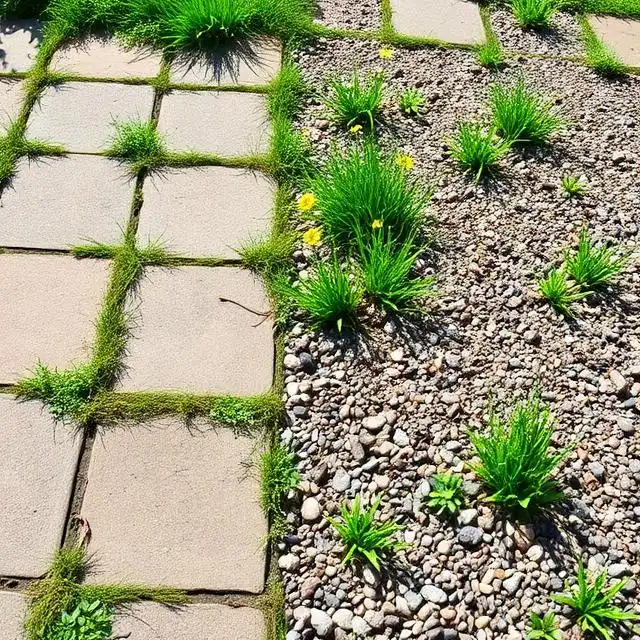
Replace paving with gravel or permeable surfaces where possible. Even cracks in paving can support plants and insects. Consider removing unused hardstanding and creating planting beds or allowing natural colonisation.
10.Be Patient and Observe
Rewilding takes time. Resist the urge to tidy, weed, or intervene. Spend time watching what arrives. Keep notes on the species you see. Celebrate the 'weeds' as they're often vital food plants for butterflies and moths.

Month-by-Month Garden Rewilding Plan
You can start in any season. This is the rhythm we follow at the Grange Project, adapted for a typical UK garden.
| When | What to do |
|---|---|
| January to February | Dig or line a pond while the ground is soft. Plant bare-root native hedging and trees. Leave seed heads standing for birds. |
| March to April | Cut hedgehog gaps in fences, build a log pile, and mark out the area you will stop mowing. Avoid cutting hedges once birds start nesting (1 March to 31 August). |
| May to June | No Mow May: put the mower away, then mow only paths. Top up the pond with rainwater. Watch what flowers on its own before buying seed. |
| July to August | Record what you see: bees, butterflies, moths, amphibians. Leave a shallow water dish out in dry spells. Do not deadhead everything. |
| September to October | Cut the meadow once and remove the cuttings so fertility drops. Sow yellow rattle and native wildflower seed onto scratched bare soil. |
| November to December | Leave leaf litter in beds and under hedges. Plant trees and shrubs. Resist the autumn tidy-up, it is winter shelter. |
What Rewilding a Garden Costs
Rewilding is one of the few garden projects that gets cheaper the further you go. Typical UK prices in 2026:
- Free: stopping mowing, leaving leaf litter and deadwood, cutting a 13cm hedgehog gap, letting edges grow.
- £10 to £25: native wildflower seed for a mini meadow, including yellow rattle.
- £40 to £150: a small wildlife pond using a preformed shell or butyl liner.
- £1 to £3 per plant: bare-root native hedging (hawthorn, blackthorn, hazel) bought in winter.
- Savings: less fuel, no fertiliser or pesticide, fewer bedding plants, and far less time spent mowing.
Best Native Plants for Wildlife
Choosing native species ensures your garden supports local wildlife. Here are some of the best performers:
Wildflowers
- Ox-eye daisy, long-lasting blooms for pollinators
- Red campion, shade-tolerant, loved by moths
- Foxglove, essential for bumblebees
- Knapweed, brilliant for butterflies
- Bird's-foot trefoil, host plant for blue butterflies
- Field scabious, late-season nectar source
- Wild marjoram, aromatic, attracts many species
- Yellow rattle, weakens grass, helps wildflowers
Shrubs
- Hawthorn, berries, blossom, nesting sites
- Blackthorn, food plant for hairstreak butterflies
- Dog rose, hips for birds, flowers for insects
- Elder, berries, flowers, and host plant for moths
- Guelder rose, stunning autumn colour, berries for birds
Trees (if you have space)
- Oak, supports more species than any other UK tree
- Silver birch, fast-growing, great for small gardens
- Rowan, compact, beautiful berries for birds
- Hazel, nuts for mammals, catkins for early pollinators
- Wild cherry, spring blossom, summer fruit
Creating Wildlife Habitats
Mini Meadow
You don't need a field to create a meadow. Even a few square metres can work. Stop mowing an area, introduce yellow rattle to weaken the grass, and scatter native wildflower seeds. Cut once in late summer and remove the cuttings.
Wildlife Pond
A pond is the single best addition for biodiversity. Any container that holds water works. Add sloping sides for easy access, native plants like water mint and marsh marigold, and don't add fish—they eat everything else.
Log Pile
Stack logs in a shady corner and leave them to decay. The older and more rotten, the better. This provides habitat for stag beetles, centipedes, woodlice, fungi, and many other species that form the base of garden food webs.
Compost Heap
A compost heap isn't just for recycling waste; it's a warm, moist habitat for slow worms, grass snakes, and countless invertebrates. Leave it undisturbed and let nature take its course.
Common Mistakes to Avoid
- Planting invasive non-natives: species like Himalayan balsam or Japanese knotweed cause serious ecological damage. Check before you plant.
- Being too tidy: dead stems, seed heads, and fallen leaves are vital habitat. Resist the urge to clear everything in autumn.
- Introducing fish to ponds: they eat tadpoles, dragonfly larvae, and other pond wildlife. Keep wildlife ponds fish-free.
- Expecting instant results: nature takes time. A rewilded garden will look better and support more wildlife each year.
- Working alone: connect with neighbours to create corridors. A network of wild gardens is far more powerful than isolated patches.
Experience Rewilding First-Hand
Want to see rewilding in action? Book a stay at our off-grid cabin and explore The Grange Project's rewilding journey, from wildflower meadows to native woodland.
Book Your StayFurther Resources
Watch
How to Attract Wildlife into Your Garden | RHS
Expert advice from the Royal Horticultural Society on creating wildlife-friendly spaces.
How to Grow a Wildlife Garden | RSPB
Low maintenance tips for rewilding your garden from the RSPB.
Learn More
Wildlife Trusts - How to Create a Wildlife Garden
The Wildlife TrustsComprehensive guide to wildlife gardening from the UK's largest conservation charity.
RHS - Wildlife Gardening
Royal Horticultural SocietyExpert advice on balancing beautiful gardens with wildlife needs.
Plantlife - No Mow May
PlantlifeJoin the UK's biggest garden wildlife campaign.
Frequently Asked Questions
How do I start rewilding my garden?
Start small: pick one area to leave unmown, stop using pesticides, and add a water source like a shallow dish or mini pond. Even these simple changes will quickly attract more wildlife. You can expand from there as you see results and gain confidence.
Will a wild garden look messy?
A rewilded garden looks intentional, not neglected. You can create 'neat edges' around wild areas, use paths to show design intent, and choose beautiful native wildflowers that bloom in succession. Many wild gardens are more visually interesting than manicured lawns.
What should I plant in a rewilded garden?
Focus on native species that support local wildlife: wildflowers like ox-eye daisy, foxglove, and knapweed; shrubs like hawthorn, blackthorn, and dog rose; and trees like rowan, hazel, and field maple. Avoid non-native invasives and sterile cultivars that don't produce pollen or seeds.
Can I rewild a small garden?
Absolutely! Even a balcony or window box can contribute. In small spaces, focus on native plants in pots, a tiny water dish for bees and birds, climbing plants like honeysuckle, and avoiding pesticides. Every square metre of habitat helps create stepping stones for wildlife.
What about No Mow May?
No Mow May is a great starting point. Leaving your lawn uncut in May allows wildflowers to bloom and provides food for pollinators. But for maximum impact, consider extending this: mow paths through longer grass, or designate a permanently wild area. Long-term, diverse meadows support more wildlife than lawns mown annually.
When is the best time of year to start rewilding a garden?
You can start in any month. Autumn (September to November) is ideal for planting native trees, shrubs and hedges and for sowing wildflower seed on bare soil. Late winter suits digging a pond, and spring is the moment to simply stop mowing. If you are reading this today, the best first step is to pick one area and leave the mower in the shed.
How much does it cost to rewild a garden?
Most of it is free or close to it: stopping mowing, leaving leaf litter, stacking a log pile and cutting hedgehog gaps cost nothing. A small preformed or lined wildlife pond typically costs £40 to £150, native wildflower seed for a mini meadow around £10 to £25, and bare-root native hedging plants roughly £1 to £3 each in the winter planting season. Rewilding usually reduces long-term garden spending on fuel, fertiliser and bedding plants.
How long does it take a lawn to turn into a meadow?
Expect visible change in the first summer, with daisies, clover, self-heal and buttercups flowering once the mowing stops. A genuinely diverse meadow usually takes three to five years, especially if you add yellow rattle to weaken vigorous grasses and remove the cuttings after each late-summer cut so fertility falls.
Will my neighbours or council object to a wild garden?
Rarely, if the intent is legible. Mow a crisp path or edge around wilder areas, keep boundaries and pavements clear, and put up a small sign explaining what you are doing. Councils can act on genuine hazards such as blocked footpaths or Japanese knotweed, not on long grass or wildflowers in a private garden.
Continue Reading
Stay Updated on Rewilding
Join our newsletter for the latest rewilding news, guides, and updates from The Grange Project.