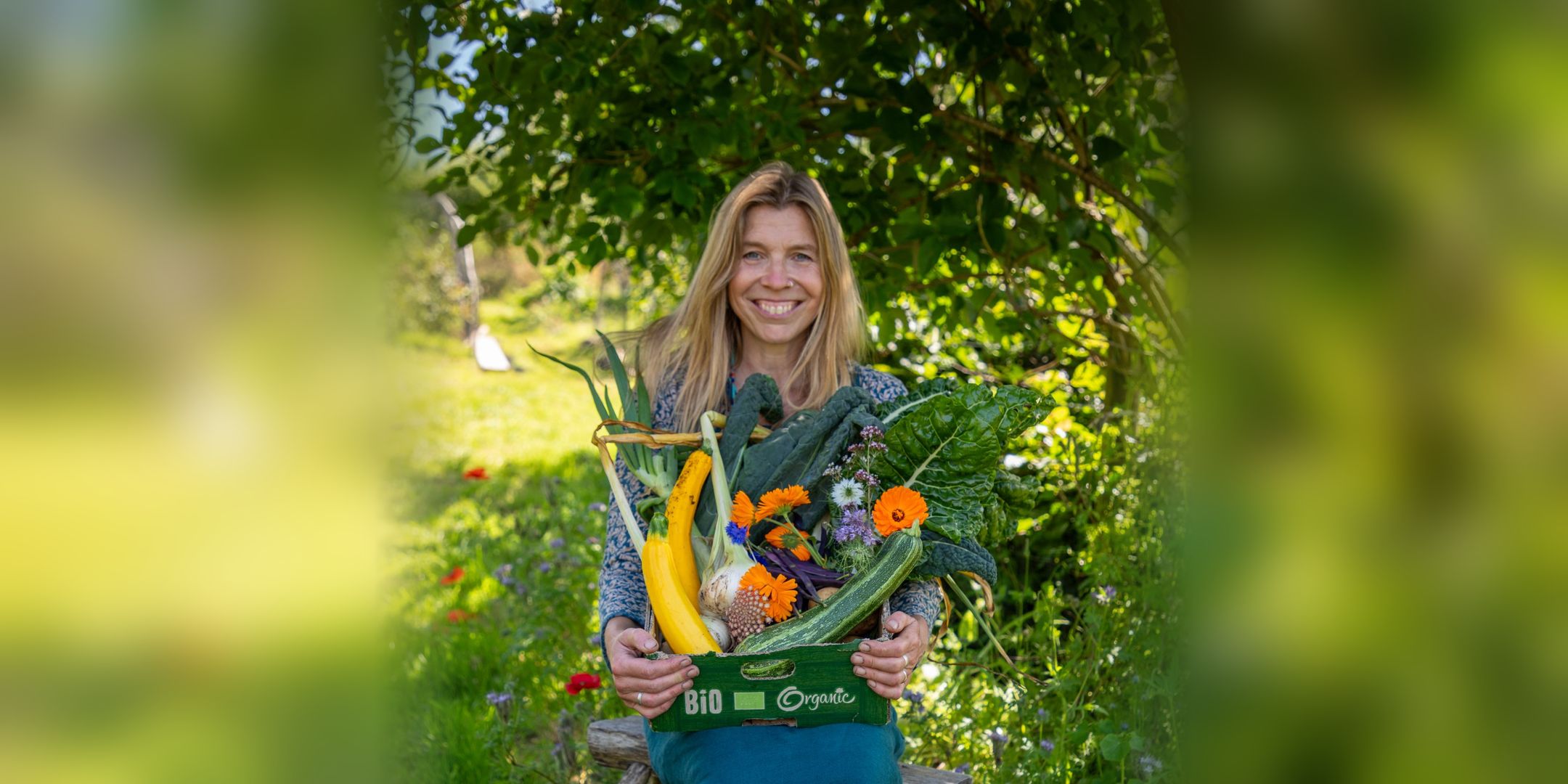
Growing and Preserving Your Own with Peni Ediker
Date
Saturday 17 April 2027 - 12 September 2027
Time
10:00am - 1:30pm
Availability
Tickets Available
About This Event
Growing and Preserving Your Own with Peni Ediker
At a glance
- 6 days across 3 weekends: 17–18 April, 10–11 July and 11–12 September 2027
- 10am–4pm on Day 1; Day 2 is a half day 10am-1:30pm
- Teaching in the Grange Hub and market garden, Monmouthshire
- Shared lunch each day included, inspired by the garden
- Book the full course, or individual weekends/days
A practical course that follows the growing year: from first sowings in spring, through soil and fertility in summer, to preserving the harvest and preparing for winter. Each weekend builds on the last, so you leave able to grow, store and enjoy more of your own food all year round.
Who it's for
- Home growers, allotment holders and market gardeners who want to grow with more confidence
- Beginners with a little experience who want to understand the why, not just the what
By the end of the course, you'll be able to
- Plan your growing space using permaculture ethics, plant families and crop rotation
- Raise strong, healthy plants from seed and sow in succession for a steady harvest
- Build and care for healthy soil using compost, amendments and biochar
- Preserve your harvest, including through fermentation
- Keep your garden productive through winter and the hungry gap
Course facilitator
Peni Ediker is a highly experienced grower, educator and seed saver, known for her joyful, practical teaching style and deep knowledge of plants in real-world growing systems.
With decades of experience in organic and ecological horticulture, Peni has worked across market gardens, community food projects and training settings, supporting people to develop confident, resilient growing skills. Her teaching bridges theory and practice, helping learners understand not just what to do, but why it works.
Course setting
You'll be learning within a working market garden designed around permaculture principles, and the Grange Hub, a purpose-built education and community space, with wide, open views across the rewilding site. The setting supports learning that is grounded, practical and unhurried, with time to ask questions, share experiences and connect skills to a wider ecological context.
Accommodation Options
Camping and camper-van parking at no additional cost, with use of the Grange hub (kitchen, toilets, relaxation area) throughout the weekend. Beautiful off-grid private cabins available by arrangement. Please contact chloe@grangeproject.co.uk to ask for discounted prices for course attendees.
Weekend 1: Getting Started with Growing
Saturday 17 and Sunday 18 April 2027
Day 1: Permaculture, Plant Families and Crop Rotation
An introduction to the thinking behind a resilient, productive garden.
You'll cover:
- The three permaculture ethics (earth care, people care, fair share) and how they shape a garden
- Key permaculture principles, and how to apply them to a growing space of any size
- Plant families: who's related to whom, and why it matters for pests, diseases and soil
- Crop rotation: planning a simple rotation for your own beds
Day 2 (half day): Propagation and Succession Sowing
This half-day session focuses on getting the basics of propagation right, building confidence through understanding.
You'll cover:
- How seeds germinate and what they actually need
- Compost choices and container basics
- Sowing depth, spacing and timing
- Watering well: how much, how often, and why it matters
- Light, temperature and airflow
- Common mistakes and how to avoid them
- How to read seedlings and respond early
- Succession sowing: sowing little and often for a steady harvest rather than a glut
By the end of the weekend, you'll be able to plan a simple crop rotation for your own space, and sow and raise seedlings with confidence.
Weekend 2: Soil, Compost and Biochar
Saturday 10 and Sunday 11 July 2027
Day 3: Soil Health, Compost and Garden Amendments
Healthy soil grows healthy, productive plants. This day looks at how to build and keep it.
You'll cover:
- What healthy soil is, and how to read the signs in your own garden.
- The soil food web: the life beneath your feet
- Compost making: getting the mix right, and fixing common problems
- Garden amendments: mulches, green manures, leaf mould and liquid feeds
- Matching amendments to what your plants need
Day 4: Biochar: Inoculation and Uses
A practical introduction to biochar, and how to use it well.
You'll cover:
- What biochar is, how it's made and why it lasts in the soil
- Why biochar needs charging, or inoculating, before use
- Inoculation methods, using compost, compost teas, worm castings and liquid feeds
- Using biochar in beds, potting mixes and compost heaps
By the end of the weekend, you'll be able to make good compost, choose the right amendments for your soil, and understand how to prepare and use biochar.
Weekend 3: Preserving the Harvest and the Winter Garden
Saturday 11 and Sunday 12 September 2027
Day 5: Preserving Your Harvest, with a Fermentation Practical
Make the most of the late-summer abundance, so less goes to waste.
You'll cover:
- Planning what you grow with preserving in mind
- An overview of preserving methods: drying, freezing, storing roots, jams and chutneys
- How fermentation works, and how to do it safely
- Hands-on: making a ferment, such as sauerkraut or kimchi, to take home
Day 6: The Overwintering Garden and Sowing for the Hungry Gap
Keep your garden productive through the colder months and into spring.
You'll cover:
- What the hungry gap is, and why it catches growers out each spring
- Hardy crops that stand through winter
- What to sow in late summer and autumn for spring harvests
- Protecting crops with fleece, cloches and covered growing
- Putting beds to rest with mulches and green manures
- Planning your next growing year
By the end of the weekend, you'll be able to preserve your harvest through fermentation and other methods, and plan sowings that keep you eating from the garden through winter and the hungry gap.